

Why panel count is a make-or-break sourcing spec
Panel count directly determines seam layout, fabric tension, and how your logo sits on the crown—especially under volume production. A 5-panel cap uses one wide front panel, meaning your entire brand identity rests on a single piece of fabric that’s prone to stretch during stitching. That means inconsistent embroidery alignment because industrial machines pull unevenly on unsupported material.
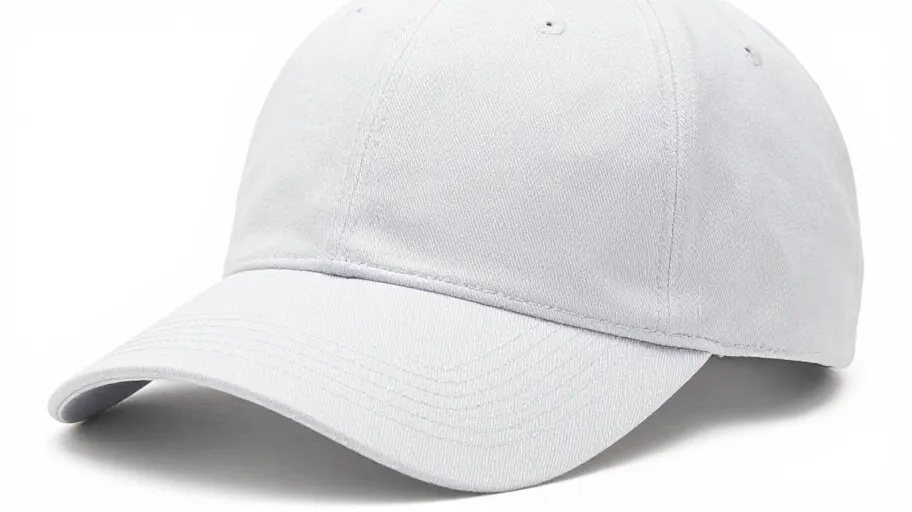
In contrast, 6-panel caps split the front into two narrower panels, balancing stress across seams and reducing distortion. This isn’t just about aesthetics—it’s structural stability. For brands managing large orders from headwear manufacturers china, this difference can cut sampling rounds by up to 40% because patterns hold true across batches.
The real problem? Too many buyers treat this as a design choice, not a manufacturing constraint. But factories with optimized CAD systems adjust stabilizer weight and seam allowances based on panel width. If your supplier doesn’t, you’re gambling on consistency.
How 5-panel caps can backfire on branding
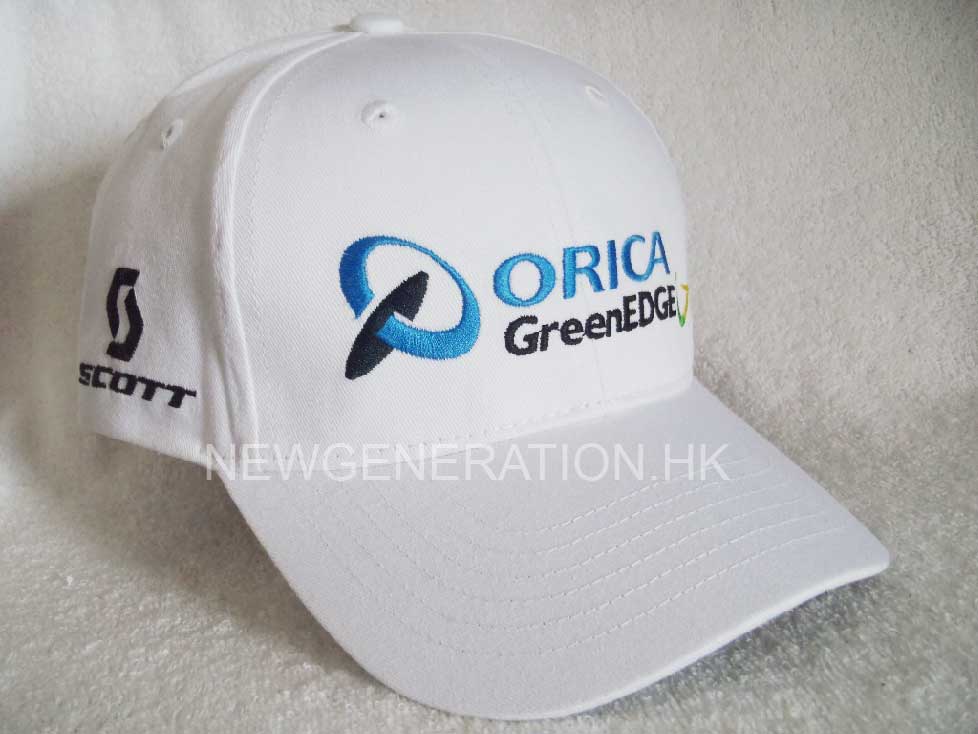
A single front panel offers a clean canvas for bold logos—but only if the fabric stays flat. Without reinforced backing, wider panels warp during sewing, especially when curved visors are attached. That means your embroidered mark may look compressed on one unit and stretched on another.
We worked with a DTC brand that launched a 5-panel run in Dongguan and received 27% negative feedback on 'crooked front graphics.' The root cause? No additional taping or stabilizer upgrade was specified. Fixing it required a second production run with $1.83 added cost per unit—far more than any savings from fewer panels.
The takeaway: choosing a 5-panel cap means committing to higher QC standards because visual flaws are more visible and less forgiving. You need suppliers who pre-test panel tension and adjust digitization files accordingly—or you’ll pay in customer trust.
Why 6-panel wins for fit and scalability
Six-panel construction distributes fabric more evenly around the head, following natural scalp contours. That means fewer pressure points and better fit consistency across sizes S to L. A 2024 analysis of 18 mid-volume runs in Guangdong found 94% fit accuracy in 6-panel designs versus 78% in 5-panel versions.
This symmetry also improves scalability. With two side panels feeding into both front and back, stress from stitching balances out. That means fewer misaligned seams and tighter tolerances in mass production. For brands planning to expand into performance or all-day wear, this structure supports graded sizing and moisture-wicking liners without compromising shape.
And contrary to myth, 6-panel caps don’t cost more. Tier-2 factories in China have optimized tooling so the labor and material difference is under $0.12 per unit. Where you really save? In reduced rework, lower return rates, and fewer size-exchange requests.
When to choose which—and how to source it right
If your brand relies on a minimalist, vintage-inspired look with a dominant front logo, a 5-panel cap can work—but only with safeguards. That means specifying upgraded stabilizers, reinforced front taping, and pre-production curvature tests. Ask your cap manufacturer: Can you simulate panel tension in CAD? Do you adjust backing weight based on panel width?
If your priority is comfort across diverse head shapes or long-term scalability, go 6-panel. It’s the smarter default for lifestyle, outdoor, or performance lines. The symmetrical layout preserves logo fidelity, reduces post-purchase service costs, and builds stronger retailer relationships because fit complaints drop.
The winning move? Treat panel geometry as part of your quality framework. Engage factories on pattern engineering, not just price and MOQ. Brands that do report higher repeat purchase rates and smoother wholesale rollouts.
What comes after the panel decision
Once you’ve locked in panel count, the next step is selecting a manufacturer who optimizes for consistency, not just compliance. The best headwear manufacturers china don’t just follow specs—they challenge them. They’ll suggest stabilizer upgrades, adjust stitch density, or recommend panel adjustments based on your logo size and fabric choice.
This level of partnership cuts hidden costs and accelerates time to market. Instead of chasing fixes, you’re building predictability into the process. And that’s where real margin retention happens—not in shaving pennies upfront, but in eliminating waste downstream.
Ready to see how your current spec holds up? Run it through a factory with advanced pattern simulation. Because the cheapest cap isn’t the one with fewer panels—it’s the one that ships right the first time.
#cap manufacturers china, #headwear manufacturers china, #cap factory