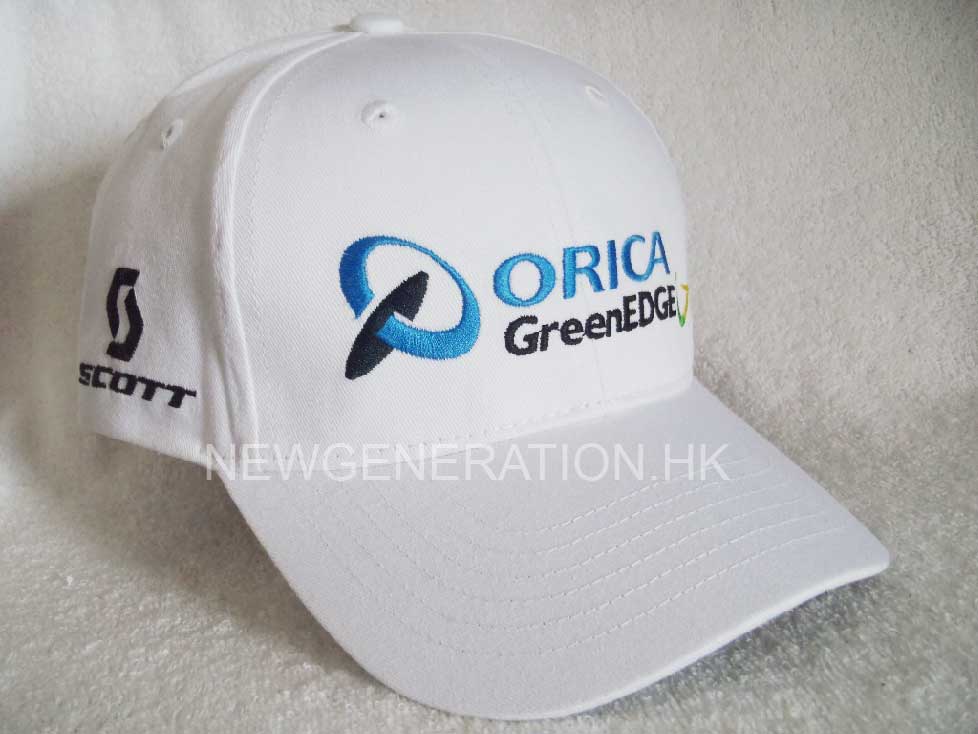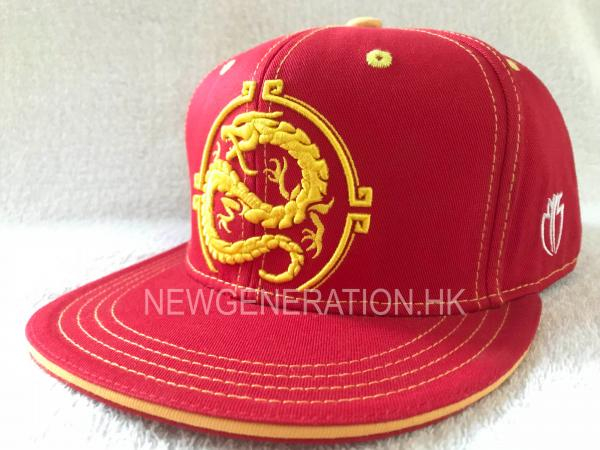



Choose a 5-panel cap when your brand needs a flat crown, an uninterrupted print area, and a streetwear-leaning silhouette; choose a 6-panel cap when you need a structured round crown, broader fit tolerance, and a classic sportswear look. The PANEL-4 Framework — Profile, Aesthetic, Niche, Logistics — gives you a repeatable way to make that call.
What the panel count actually changes
The number of panels refers to the fabric pieces sewn together to form the crown. A 5-panel cap uses five panels — typically one large front panel and four side/rear panels — producing a flatter, more angular crown. A 6-panel cap uses six triangular or wedge-shaped panels meeting at a central button, creating a rounded, dome-like crown.
That single structural difference cascades into three tangible outcomes:
- Crown shape. 5-panel = flatter, lower profile; 6-panel = rounder, higher profile.
- Print and embroidery area. The 5-panel's single front panel offers a larger, uninterrupted canvas; the 6-panel's seams divide the front into two panels, which constrains placement.
- Fit behaviour. 6-panel construction tends to conform to a wider range of head shapes because the seam lines create natural flex points; 5-panel construction is more rigid in structure and may feel less forgiving depending on the fabric and closure.
These are structural facts, not quality judgments. Both constructions are widely used in premium headwear.
5-panel caps: when they work and when they don't
Profile. The 5-panel cap is often associated with a minimalist, contemporary aesthetic. Its flat crown and single front panel give it a clean, uncluttered look that appeals to streetwear, skate, and lifestyle brands.
Strengths.
- Large, continuous front panel — ideal for all-over prints, large logos, or bold graphic placement.
- Lower-profile crown — creates a more streamlined silhouette that photographs well for lookbooks and e-commerce.
- Fewer seams on the front — fewer visual interruptions for branding.
Trade-offs to confirm.
- Fit may be less consistent across a wide range of head shapes; verify with samples across your target size range.
- The flat crown can feel less structured on some head shapes; document whether your market expects a structured or unstructured feel.
- Some buyers associate the 5-panel look with a specific subculture; confirm that this aligns with your brand positioning.
6-panel caps: when they work and when they don't
Profile. The 6-panel cap is the default construction for most baseball caps and sportswear headwear. Its rounded crown and centre-front button are what most consumers picture when they think of a "cap."
Strengths.
- Rounded crown — offers a classic, widely recognised silhouette that works across sportswear, corporate, and promotional categories.
- Broader fit tolerance — the seam structure adapts more naturally to varied head shapes.
- Familiar to most buyers — reduces the "what is this?" friction in B2B presentations and retail environments.
Trade-offs to confirm.
- The centre-front seam divides the branding area; plan your logo or graphic placement around the seam and button.
- The classic silhouette may feel less distinctive in a market saturated with 6-panel caps; document how your branding strategy differentiates the product.
- More panels mean more seams, which can increase sewing complexity; verify with your factory what this means for your specific construction and material choices.
PANEL-4 decision table
| Factor | 5-panel cap | 6-panel cap |
|---|---|---|
| P — Profile | Flat, low-profile crown; contemporary, minimalist | Rounded, structured crown; classic, sportswear |
| A — Aesthetic | Large uninterrupted front panel; fewer seam lines | Divided front panel; button at crown apex |
| N — Niche | Streetwear, skate, lifestyle, fashion-forward brands | Sportswear, corporate, promotional, mainstream retail |
| L — Logistics | Verify fit consistency across sizes; confirm sample approval | More seams may affect sewing complexity; verify with factory |
Use this table to frame your internal discussion. If your brand sits clearly in one column, the choice is straightforward. If it spans both, you may need to specify both constructions for different lines within your range.
Approval questions to ask your factory
Before committing to a panel construction, confirm the following:
- Sample fit. Have you received and approved physical samples in each panel construction for your target size range?
- Branding placement. Does your logo or print fit within the panel geometry — especially the front seam on a 6-panel or the single front panel on a 5-panel?
- Closure compatibility. Does your chosen closure (snapback, strapback, fitted) work with the panel construction and the fabric weight you have specified?
- Material behaviour. Does the fabric you selected drape or hold structure as expected on the chosen panel count? Some materials behave differently on a flat crown vs. a rounded crown.
- Construction consistency. Has the factory confirmed that the panel pattern, seam allowance, and sewing sequence are documented and repeatable across your production run?
- Packaging. Does the crown shape affect how caps are packed and shipped? Flat-crown 5-panel caps may stack differently from rounded 6-panel caps.
FAQ
Is a 5-panel cap lower quality than a 6-panel cap?
No. Panel count is a construction choice, not a quality indicator. Both constructions are used in premium headwear. Quality depends on the fabric, stitching, closure, and overall construction standards — not on the number of panels.
Can I embroider a large logo on a 5-panel cap?
The single front panel generally provides more uninterrupted space, which can accommodate larger embroidery. However, the specific placement, stitch count, and fabric weight all affect the result. Verify with your factory by requesting a sample embroidery on the actual panel.
Which panel count is more common in corporate or promotional headwear?
The 6-panel cap is more common in corporate and promotional categories because of its familiar silhouette and broader fit tolerance. That said, 5-panel caps are increasingly used by brands that want a more contemporary look. The right choice depends on your audience, not on convention alone.
Do 5-panel and 6-panel caps use the same brim?
Not necessarily. The brim shape and angle can vary independently of the panel count, but the crown-to-brim transition is different on each construction. A flat-crown 5-panel cap may pair more naturally with a flat brim, while a 6-panel cap often pairs with a slightly curved brim. Confirm the brim style with your factory as part of the overall specification.
How do I decide if my brand should offer both?
If your product range spans different aesthetics — for example, a streetwear line and a corporate line — offering both constructions may be appropriate. Document which construction serves which line, and confirm with your factory that both can be produced within your project timeline.
Download the style selection sheet to encode the PANEL-4 Framework into a reusable document your team can review and approve before placing an order. → [Download the style selection sheet]
Before you go — run this quick check. Copy the six approval questions above into your next factory brief. If you can check every box, your panel-construction decision is documented and ready for production confirmation.