

Selecting between a 5-panel and a 6-panel cap determines structural integrity and logo placement. While 5-panels offer a seamless canvas for large prints and a retro fit, 6-panels provide a classic structured silhouette preferred for high-density embroidery. Buyers must prioritize decoration method and brand aesthetic over cost alone.
Anatomy of the Crown: Defining the Geometry
When sourcing custom headwear, the distinction between a 5-panel and a 6-panel cap is not merely aesthetic; it is a fundamental difference in construction that dictates decoration possibilities and physical profile.
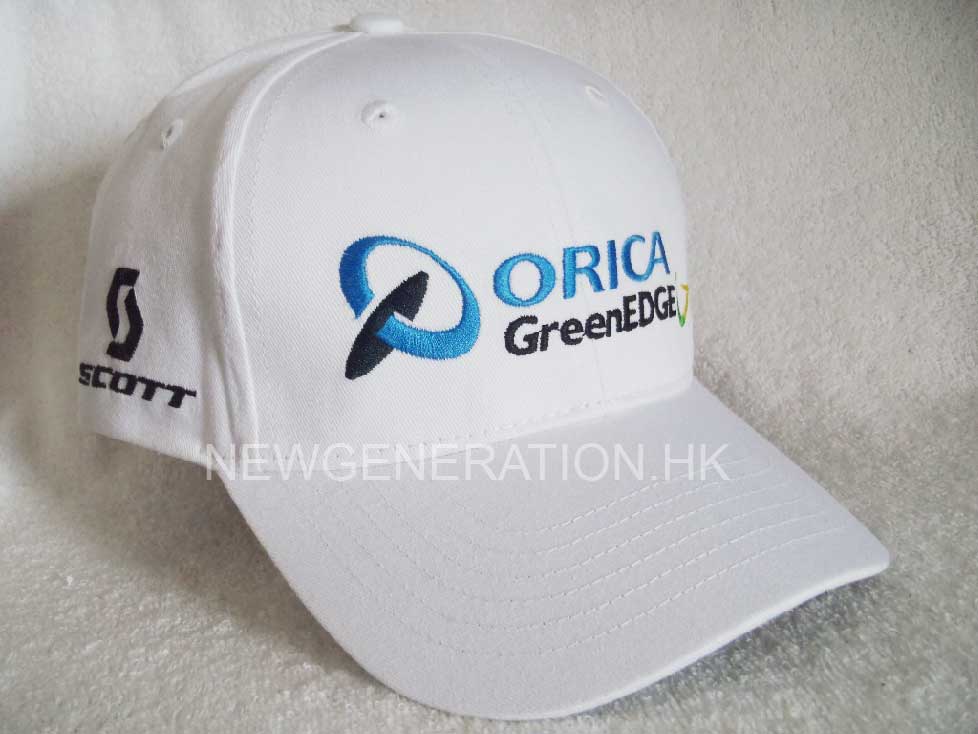
A 6-panel cap is constructed from six triangular pieces of fabric joined together. This includes a distinct seam running directly down the center of the front of the cap. Historically, this is the "standard" baseball cap shape. The center seam provides structural reinforcement, helping the cap maintain its shape, particularly when supported by buckram or other stiffening materials.
Conversely, a 5-panel cap consists of five panels: two on the sides, two in the rear, and one single, continuous panel forming the entire front of the cap. This construction eliminates the center seam. Often referred to as a "trucker" style or "dad hat," the 5-panel typically offers a wider, unbroken surface area on the front crown.
For brand buyers, understanding this geometry is the first step in mitigating sampling risks. The choice dictates how your logo sits on the product and how the product sits on the wearer’s head.
The Crown-Structure Fit Model
To assist in the selection process, we utilize the Crown-Structure Fit Model. This framework evaluates the cap choice based on three vectors: Decoration Priority, Structural Profile, and Brand Vibe.
- Decoration Priority: Does your branding rely on a complex, multi-color logo that requires a perfectly flat surface (screen print), or does it utilize texture and depth (embroidery)?
- Structural Profile: Is the target demographic looking for a fitted, athletic look (structured), or a relaxed, vintage drape (unstructured)?
- Brand Vibe: Is the identity streetwear and modern (5-panel), or traditional and corporate (6-panel)?
By applying this model, buyers can remove subjectivity from the decision-making process and focus on technical compatibility.
Decoration Compatibility Analysis
The most critical technical implication of choosing a 5-panel vs 6-panel cap is logo application. This is often where sourcing projects face delays due to design rejections.
The 6-Panel Center Seam Challenge The defining feature of the 6-panel cap—the center seam—poses a significant challenge for certain decoration methods.
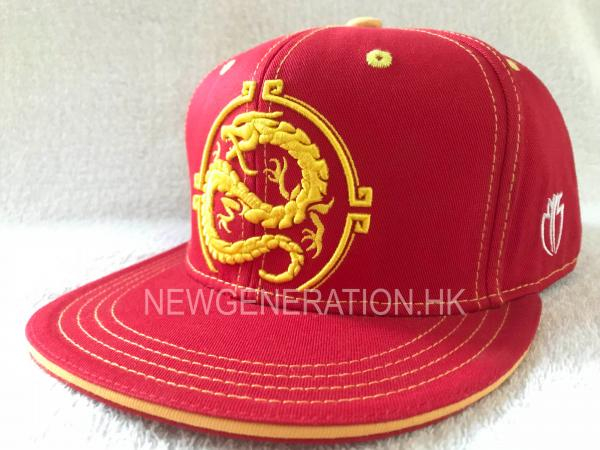
- Embroidery: This is the standard application. However, if the logo is wide and the center seam is pronounced, the design may "straddle" the seam. A skilled factory will digitize the design to account for this, but it can cause the design to look skewed or the fabric to pucker.
- Screen Printing: Generally avoided on the center seam of a 6-panel cap. The ink can crack or bleed into the groove of the seam, distorting the image.
- Solution: For 6-panel caps, position the logo slightly higher on the crown or keep the design width narrow enough to sit entirely on one side of the seam (though this is rarely symmetrical).
The 5-Panel Seamless Advantage The 5-panel cap acts as a blank canvas.
- Screen Printing & Heat Transfer: The single front panel provides a continuous, flat surface ideal for full-frontal prints, heavy ink coverage, or intricate heat transfers. This is why streetwear brands often favor the 5-panel for bold, graphic-heavy drops.
- Embroidery: Works exceptionally well, offering a clean look without the risk of distortion from a center seam.
Market Fit and Demographics
Beyond construction, the "feel" of the cap communicates a message to the end consumer.
- 6-Panel Caps: These are perceived as more traditional and "finished." They are the go-to choice for team sports, uniforms, security staff, and corporate promotional merchandise. The structured nature conveys authority and neatness.
- 5-Panel Caps: These carry a casual, lifestyle-oriented connotation. They are popular in the skate, surf, and streetwear industries. The lack of a center seam gives it a premium, minimalist look that appeals to younger demographics seeking a "retro" or "vintage" aesthetic.
Decision Matrix: 5-Panel vs 6-Panel Cap
To clarify the sourcing specification, refer to the comparison below:
| Feature | 5-Panel Cap | 6-Panel Cap |
|---|---|---|
| Front Construction | One continuous seamless panel | Two panels joined by a center seam |
| Best Decoration Method | Screen print, Heat Transfer, Large Embroidery | Standard Embroidery, 3D Puff Embroidery |
| Crown Structure | Typically unstructured (softer crown) | Typically structured (stiff buckram support) |
| Visual Profile | Lower profile, wider front | Higher profile, more depth |
| Brand Application | Streetwear, Lifestyle, Retro brands | Corporate, Sports Teams, Uniforms |
| Design Limitation | Limited vertical height for huge logos | Center seam interferes with wide center prints |
Strategic Approval Questions
Before approving the tech pack or placing an order with a manufacturer, brand buyers should answer the following questions to ensure the selected structure aligns with project goals:
- Logo Integrity: If we use a 6-panel cap, does our logo width exceed 40% of the cap's front width? If so, have we requested a pre-production sample to verify the embroidery does not distort over the center seam?
- Fabric Behavior: If sourcing unstructured 5-panels, will the selected fabric (e.g., heavy cotton vs. lightweight poly) maintain the intended drape, or will it collapse too much?
- Closure Compatibility: Does the choice of closure (snapback, strapback, or fitted) influence the panel choice? (Note: While not mutually exclusive, 5-panels are frequently associated with snapbacks, whereas 6-panels are common in fitted styles).
- Target Audience Fit: Does the "retro" vibe of a 5-panel align with our current seasonal collection, or does the "classic" look of the 6-panel better suit our distribution channels?
FAQ
Does a 5-panel cap cost more to manufacture than a 6-panel cap? Pricing is project-specific and depends on fabric, volume, and decoration complexity rather than just panel count. However, the seamless front panel on a 5-panel may require larger fabric cuts or specific cutting dies. To verify cost implications, request a comparative quote for both styles using identical materials and decoration from your supplier.
Can I get a structured 5-panel cap? Yes, while 5-panels are traditionally unstructured, they can be manufactured with buckram or fused interfacing to create a structured, high-profile silhouette. Buyers should specify "structured 5-panel" clearly in their tech pack to avoid receiving a slouchy fit.
Which cap style is better for sublimation printing? The 5-panel cap is generally superior for sublimation (all-over printing). Because sublimation requires heat transfer onto polyester, a seamless front panel ensures the image is continuous without a break in the print caused by the seam found on 6-panels.
How does the panel count affect sizing? Panel count does not inherently change the sizing measurements (S/M/L), but it affects the fit. A 6-panel structured cap sits higher on the head, which may fit differently than a low-profile 5-panel that hugs the skull. It is advisable to order pre-production samples across the size run to test fit on actual users.
Are there sustainability differences between the two? The sustainability profile depends on the material (e.g., organic cotton, recycled polyester) rather than the panel geometry. However, 5-panels may produce slightly less fabric waste during the cutting process if the factory optimizes its markers efficiently. Buyers should ask the manufacturer for their fabric utilization rates for both styles.
Download the Style Selection Sheet Ensure your specs are communicated clearly to the factory. Download our comprehensive Style Selection Sheet to standardize your panel, fabric, and decoration requirements for your next sourcing project.
Low-Friction Checklist:
- Confirmed decoration method (Embroidery vs. Print) is compatible with panel choice.
- Verified if "Structured" or "Unstructured" fit is required.
- Checked logo width against center seam constraints for 6-panels.