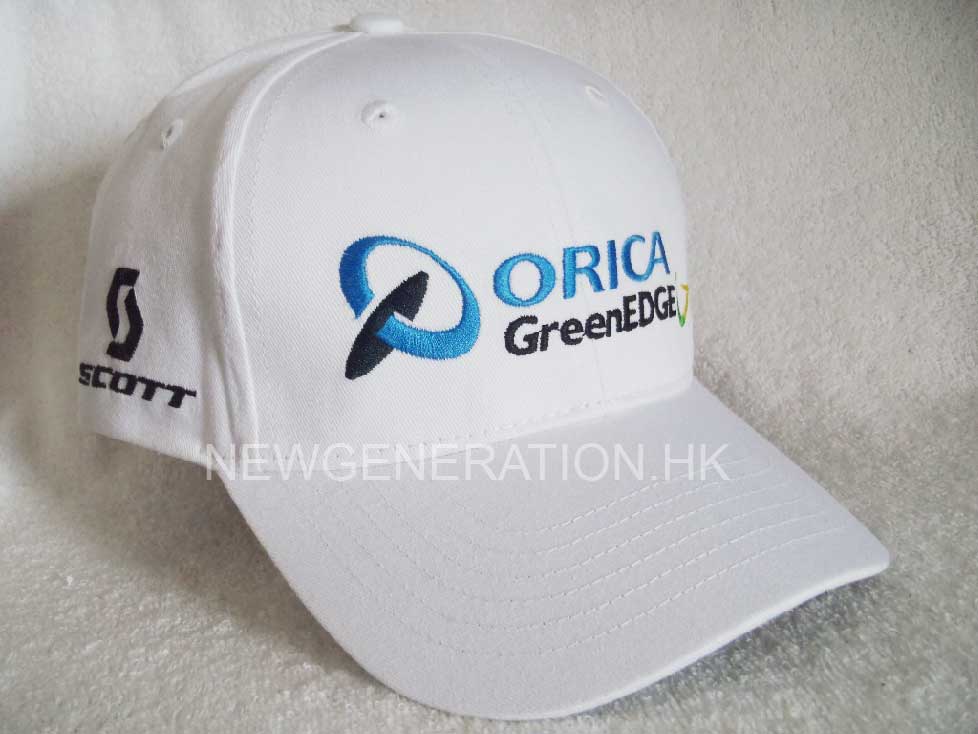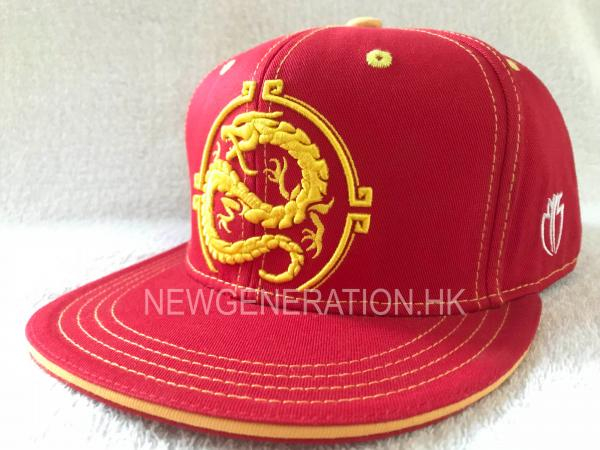


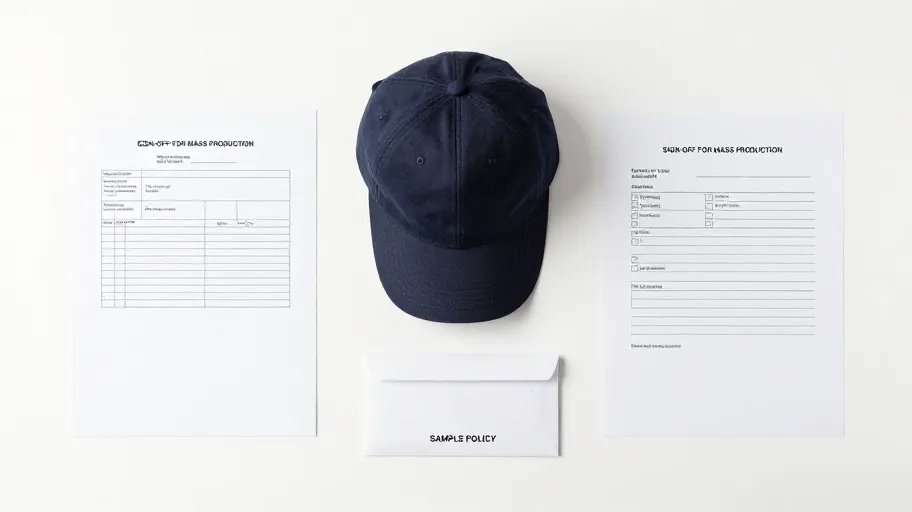
Sourcing hats from China wholesale works best when you compare suppliers on documented evidence rather than quotations alone. Before placing a bulk order, verify three things in sequence: a complete written specification (SPEC), a clear and currently confirmed sample policy (SAMPLE), and a documented approval gate before mass production (SIGN-OFF). This SPEC–SAMPLE–SIGN-OFF framework gives importers, wholesalers and brand buyers a repeatable way to reduce misunderstanding with an OEM/ODM manufacturer and keep every decision on record.
Why specs come before price
When buyers compare suppliers on unit price alone, the comparison is misleading because the quotations are not built on the same product. A cap quoted without a defined crown construction, closure type, panel count, embroidery stitch density or sweatband material can shift in cost and quality after the order is placed.
A more reliable sequence is:
- Define the product in writing.
- Ask multiple suppliers to quote against that same definition.
- Compare quotations only after confirming what each price includes and excludes.
This is where working with an OEM/ODM manufacturer helps: instead of choosing from a fixed catalogue, you specify the product, and the factory's job is to build and document against that specification. The questions below help you do that.
The SPEC stage: building a complete hat specification
Ask your supplier to confirm each of the following in writing, and treat any item the supplier cannot confirm as a risk to resolve before sampling:
- Material and composition for crown, brim/visor, sweatband and lining (ask for fabric weight and construction, not just a fabric name).
- Structure: panel count, crown height, brim shape, whether the brim is pre-curved, and any buckram or interfacing.
- Closure and sizing: closure type, adjustable range, and how size will be verified across the run.
- Decoration method: embroidery, printing, patch, woven label, or heat transfer — with placement, size and colour references.
- Colour matching: specify Pantone references or a physical colour standard, and ask how colour will be checked against it.
- Labelling and packaging: main label, care label, country-of-origin marking, inner carton and master carton details.
- Compliance documentation: ask which product-related documentation or testing the supplier can support for your destination market, and confirm current evidence rather than accepting a general statement.
None of these points can be assumed. Each one is a project-specific question, and the answers belong in the specification sheet that accompanies your purchase order.
The SAMPLE stage: questions to ask before sampling
- What is your current sample policy for custom headwear, including any charges and how they are structured?
- How many sample revisions are included, and how are additional revisions handled?
- What is the current sampling lead time, and what could extend it?
- Will the bulk production use the same materials, tooling and decoration settings as the approved sample?
- What documentation accompanies the approved sample — for example, a signed sample tag or a spec sheet attached to the physical sample?
- What is your current policy on sample shipping, and who is responsible for it under each shipping option?
Confirm each answer in writing at the time of your enquiry, because policies change and only the supplier's current written confirmation is valid.
The SIGN-OFF stage: approval gates that protect the order
A documented approval gate is the cheapest quality control you will ever implement. Before mass production begins, require a formal sign-off that records:
- The approved pre-production sample, physically retained by both parties.
- The frozen specification sheet, version-numbered and attached to the purchase order.
- Any agreed deviations, recorded in writing rather than discussed by message.
- A first-article or early-production check point, if you arrange inspection, with the inspection scope documented.
- Confirmation of which party approves each gate, and how approval is recorded.
The purpose of the gate is not distrust — it is clarity. When both sides can point to the same signed document, disputes about what was ordered become rare and resolvable.
Supplier comparison table
Use a table like this to compare candidate suppliers on evidence, not claims. Every row should be completed from the supplier's own written confirmation:
| Evaluation point | What to request | Red flag if missing | Weight for your decision |
|---|---|---|---|
| Written spec capability | Full spec sheet against your brief | Vague or partial specification | High |
| Sample policy clarity | Current written policy incl. charges and revisions | Refuses to state terms in writing | High |
| Approval process | Documented pre-production sign-off steps | No formal approval stage | High |
| Compliance support | Evidence of documentation/testing relevant to your market | Generic assurances without specifics | High |
| Communication quality | One accountable contact, written follow-ups | Answers only by voice call | Medium |
| Decoration capability | Samples of the exact technique you need | Technique "available" but never demonstrated | Medium |
| Capacity and scheduling | Current lead-time and capacity confirmation for your order | No written schedule commitment | Medium |
Score each supplier against your own weighting. A supplier that scores lower on price but higher on documentation and process control reduces a different kind of cost: the cost of a disputed shipment.
Approval checklist for your first order
- Specification sheet completed and version-numbered
- All spec questions answered in writing
- Sample policy confirmed in writing, including charges and revisions
- Pre-production sample approved and physically retained by both parties
- Signed sample tag or approval record archived
- Agreed deviations documented
- Inspection or check-point scope agreed
- Shipping terms and responsibilities confirmed in writing
FAQ
Do I need to speak Chinese to source hats from China wholesale? No, but you do need written confirmation of every key term in English. Ask your supplier to confirm specs, sample terms and approval steps in writing so both parties work from the same document.
What is the difference between OEM and ODM for headwear? With OEM, you supply the design and specification and the manufacturer produces to it. With ODM, the manufacturer's existing designs are adapted to your brand. In both cases, the SPEC–SAMPLE–SIGN-OFF discipline applies — adapt it to whichever route you take.
How do I verify quality before the full order ships? Through documented gates: an approved pre-production sample, a version-numbered specification, and an agreed inspection or check point during production. Define the inspection scope in writing before production starts.
Should I compare several suppliers before ordering? Yes. Compare them against an identical written specification and score them on documentation quality, sample terms, approval process and communication — not just price.
What documentation should travel with my order? At minimum: the purchase order referencing the frozen spec sheet, the sample approval record, and any compliance documentation your destination market requires. Confirm with your supplier and your customs broker which documents apply to your product and market.
获取采购 Brief — request the sourcing brief and run your next supplier conversation with the SPEC–SAMPLE–SIGN-OFF framework already built in.
Prefer to start smaller? Download the one-page approval checklist above and use it to structure your first supplier enquiry this week.
#cap manufacturers china, #headwear manufacturers china, #cap factory