

Why incomplete tech packs kill first samples
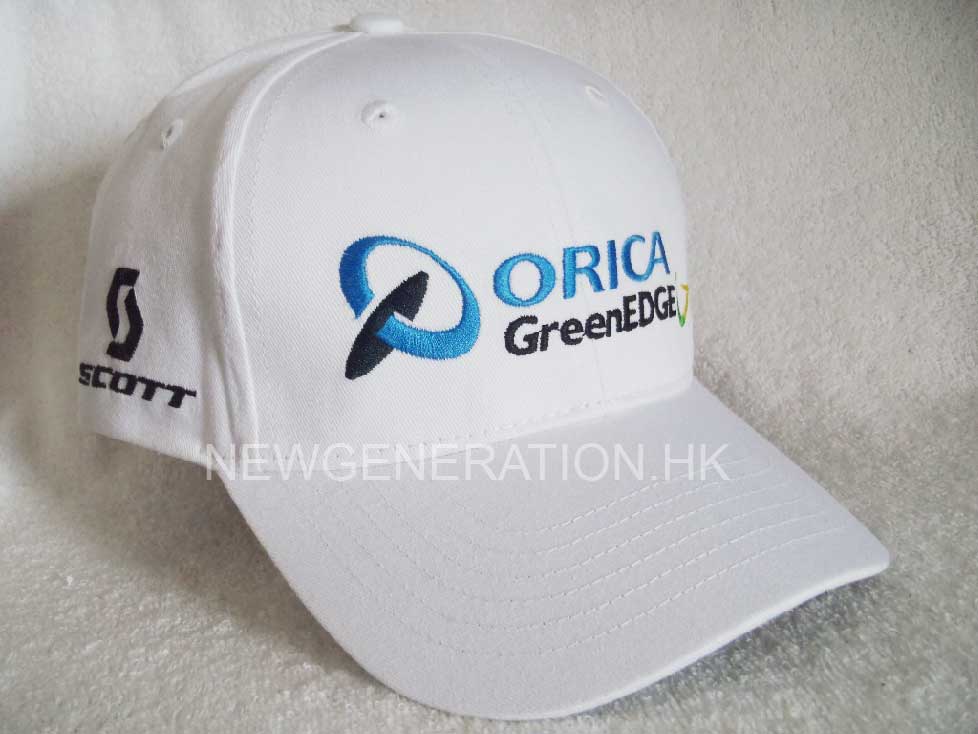
Missing details in your tech pack don’t just slow things down—they guarantee rejected samples. One U.S. lifestyle brand waited six weeks only to find their embroidery logos were misaligned across panels, some nearly unrecognizable. The culprit? No embroidery placement template. That single omission led to three revision rounds, missed retail windows, and a 22% unit cost increase from expedited fees and waste.
This isn’t rare. A 2023 SupplyChain Insights Group report found up to 40% of initial cap samples fail quality checks globally, and 68% of those failures stem from incomplete or unclear documentation—not factory errors. When you assume a sketch and a mood board are enough, you’re outsourcing design decisions to factories that interpret 'slightly curved bill' or 'clean front panel' however they see fit. That means inconsistent stitching, distorted logos, and fit issues that force reactive fixes instead of confident scaling.
A complete tech pack means fewer surprises because it replaces ambiguity with precision. Without one, you lose time, money, and credibility before launch. With it, you shift from guessing to governing every detail of production.
Stitch count specs prevent puckering and delays
Providing an embroidery file (DST or EXP) isn’t enough—brands must specify stitch density per inch and total stitch limits. This number directly controls logo durability and fabric integrity. Too few stitches mean a washed-out look that wears fast. Too many cause puckering, thread breaks, and slower production, which drives up costs.
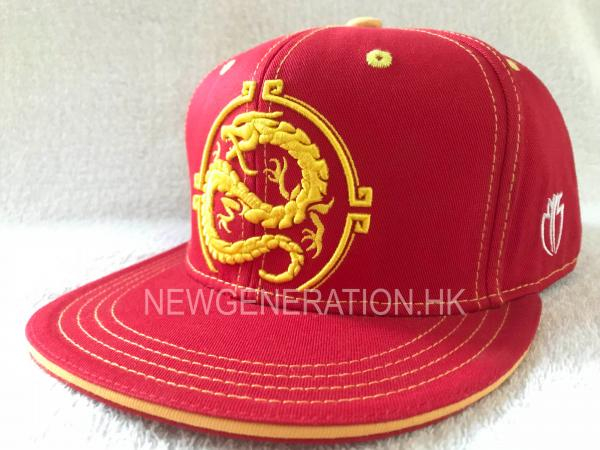
One athletic startup used 18,000 stitches for a crest on a structured front panel when 12,500 was optimal. Result: 40% of sample caps showed visible distortion. To keep output steady, the factory downgraded thread quality—sacrificing the premium appearance promised to investors.
Specifying exact stitch counts means consistent visual quality because it aligns design intent with material behavior. Brands that tie stitch density to fabric type and panel tension see first-sample approval rates jump by as much as 55%, according to a 2024 QMS review of 147 headwear SKUs. That’s not just faster time-to-market—it’s lower rework risk and stronger brand trust.
Bill curvature templates lock in consistent fit
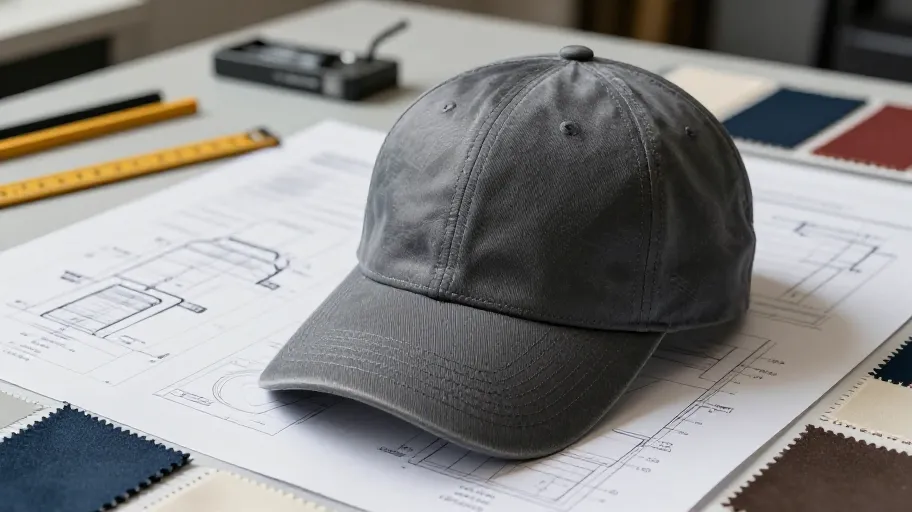
A curved bill isn’t just style—it’s function. It affects how the cap sits on the head, clears glasses, and blocks sun. Yet most brands skip defining its shape precisely, leaving factories to use old molds or subjective judgment. Minor deviations—just 3–5 degrees—can make a cap feel 'off,' triggering returns and bad reviews.
We worked with a heritage workwear brand whose samples varied so much in crown tilt that focus groups couldn’t agree on the true fit. Only after introducing a digital curvature gauge, measured at three points along the edge with ±1.5mm tolerance, did batch variation drop below 2%.
A documented bill curvature template means reliable fit across sizes and batches because it removes guesswork from tooling setup. That consistency improved customer satisfaction scores by 31% and eliminated MOQ penalties tied to uneven sell-through. For retailers and resellers, predictable performance isn’t a nice-to-have—it’s a requirement.
How full specs unlock faster scale and lower MOQs
Treating your tech pack as a contractual blueprint—not just a design reference—changes what’s possible with cap manufacturers. Every defined spec acts as a checkpoint against deviation, reducing errors and building factory confidence. That trust translates into real business advantages: faster turnaround, lower minimums, and better margins.
Brands using fully compliant tech packs report average sample delivery in 18 days versus 32 for partial specs (Apparel Sourcing Journal, 2024). More importantly, they cut rejection rates from 40% down to single digits. That efficiency frees capital, protects timelines, and supports sustainable inventory planning.
Precision in documentation means earlier market entry because manufacturers can act decisively without back-and-forth. One DTC brand leveraged a standardized tech pack to secure a 300-unit trial run with a Tier-1 Dongguan factory—normally reserved for orders over 1,000 units. They validated demand with minimal risk, then scaled fast. In today’s fast-moving market, that agility is competitive advantage.
#cap manufacturers china, #headwear manufacturers china, #cap factory