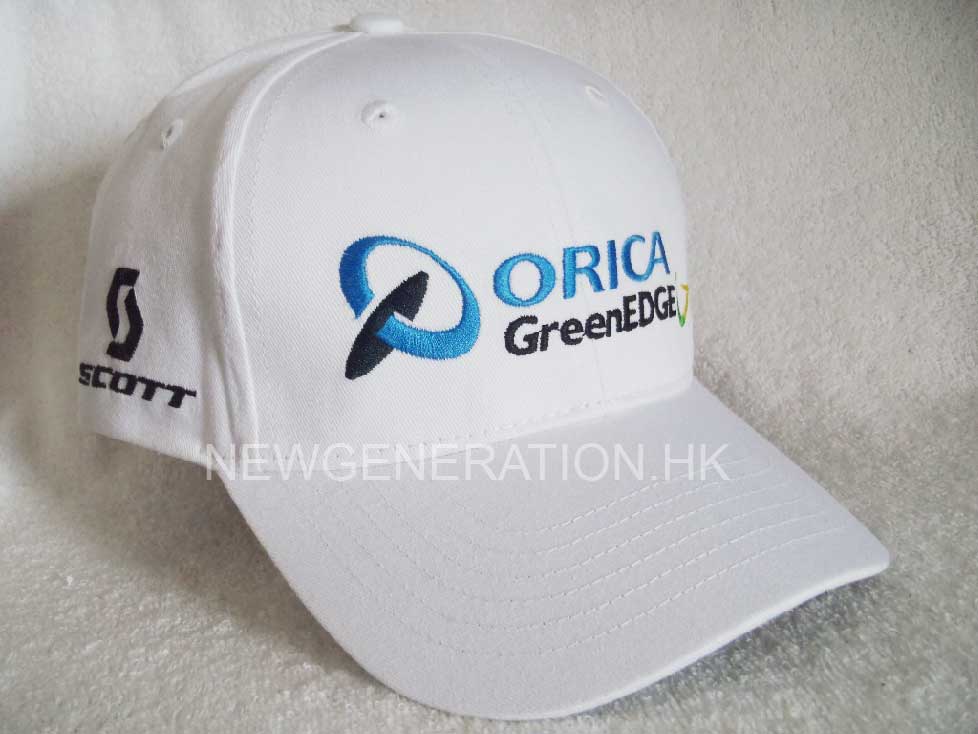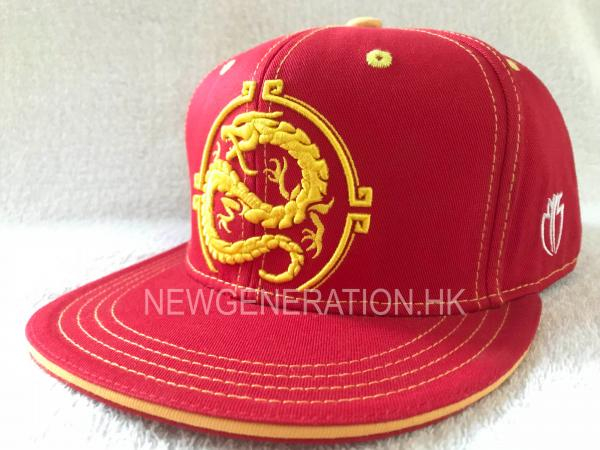



Choosing a baseball cap manufacturer comes down to three verifiable things: dimensional tolerances held across a production run, consistency of finish on every unit, and packaging that protects and presents your brand on arrival. Use the TFP Gate — Tolerances, Finish, Packaging — to evaluate each candidate with documented evidence rather than claims. This guide gives you the questions, decision tables and checklists to do it.
Why these three areas decide your sourcing outcome
When a private-label cap programme fails, the failure is rarely dramatic. It is cumulative: panels cut slightly differently across a run, brims that curve inconsistently, stitching that varies in density, embroidery that puckers on some units, or cartons that arrive crushed with mixed labels. Each of these traces back to one of three control points — how tightly a manufacturer holds tolerances, how consistently it finishes each unit, and how deliberately it specifies export packaging.
A supplier's website cannot prove any of this. Only documented processes, measurable answers to specific questions, and verifiable inspection records can. That is the purpose of the TFP Gate: it converts a vague comparison of "which factory is better" into a structured review of evidence you can request, read and compare across candidates.
TFP Gate, stage one: Tolerances
Tolerances define how much variation a manufacturer allows — and, more importantly, how it measures that variation during production. When you ask about tolerances, you are probing three things: whether limits exist in writing, whether they are measured with tools rather than judged by eye, and what happens when a unit falls outside the limits.
You do not need to dictate the numbers yourself. Instead, ask each candidate to state its own tolerance limits and measurement methods, then compare the replies for specificity. A supplier that answers with documents — spec sheets, measurement points, tool names, inspection frequency — is demonstrating process. A supplier that answers with reassurance is demonstrating language.
Concrete questions to put to each manufacturer:
- Which cap dimensions do you control with written limits, and where are the measurement points on the cap?
- What measuring tools are used, and at what stage of production are measurements taken?
- How are results recorded, and can inspection records be shared with us per production lot?
- What is the escalation path when a unit falls outside the stated limits?
- Can a written tolerance sheet be attached to our purchase order as an approval document?
The last question matters most. A tolerance sheet that lives only in conversation is not a control; a tolerance sheet referenced in your purchase order is. Confirm the current policy directly with each supplier regarding what documentation they will commit to contractually.
TFP Gate, stage two: Finish
Finish covers everything a customer touches and sees after the cut-and-sew: stitching quality, embroidery or printing registration, brim shape, crown structure, hardware, sweatbands, and the hand of the fabric after washing or pressing. Finish is where batch-to-batch inconsistency becomes visible to your end customer, and it is the area where inspection discipline matters most.
The key distinction to draw with a candidate supplier is between output inspection (catching defects at the end) and in-process control (preventing them during production). Ask where hold points sit in the production line, who approves each one, and what evidence each approval generates.
Approval questions for finish:
- Can you walk us through each stage of your production line where a unit is inspected or approved, and by whom?
- What visual standards exist for stitching and embroidery — are approved reference samples retained, and can we sign off on them?
- How do you handle colour matching across dye lots, and can you show us your colour-approval method?
- What happens to units that fail finish inspection — is there a rework path, and how is it documented?
- Can we audit the approved golden sample against bulk production before shipment?
The golden-sample question deserves emphasis. A signed reference sample that both parties retain is the single most useful finish-control instrument in private-label headwear, because it converts subjective judgements into a shared physical benchmark. Ask how a candidate manages golden samples, where they are stored, and how production operators access them. Confirm the current policy directly.
TFP Gate, stage three: Packaging
Packaging is the most under-evaluated stage of cap sourcing, and the most expensive to fix after goods have shipped. Export packaging for headwear covers two distinct layers: transport packaging (cartons, inner protection, stacking strength, moisture control) and retail-ready packaging (hangtags, polybags, cap cages or inserts, barcode and label accuracy). A specification that addresses only one layer is incomplete.
Your packaging specification sheet should be agreed before production starts, not negotiated at the shipping stage. Ask each candidate:
- Can packaging be specified per SKU in writing — carton markings, inner counts, polybag treatment, hangtag placement?
- What protection is used to preserve crown and brim shape in transit, and can we approve the method in advance?
- How are cartons labelled to support our warehouse receiving process — do you support scan-level labelling requirements?
- What is the process for approving printed packaging materials such as hangtags and labels before they are produced?
- Can packaging approval be made a formal hold point, with our written release required before goods ship?
The final question turns packaging from an afterthought into a gate. If a manufacturer resists a written packaging release, that resistance is itself useful evaluation data.
Comparing candidate manufacturers: a decision table
| Evaluation dimension | Weak signal — treat as a risk | Strong signal — treat as evidence |
|---|---|---|
| Tolerances | Verbal assurance of "strict quality control" | Written tolerance sheet with measurement points, tools and record-keeping offered for the purchase order |
| Finish control | End-of-line visual check only | Named in-process hold points, retained golden samples, documented rework path |
| Colour and materials | Verbal colour match | Defined colour-approval method with reference standards you can sign off |
| Packaging | Default carton, discussed at shipment | Per-SKU packaging spec sheet with pre-shipment written release |
| Inspection records | "Available on request" with no format | Structured lot-level records offered proactively |
| Approval workflow | Single informal sign-off | Staged approvals with your sign-off at defined points |
| Documentation | Photos only | Measurable answers attached to contract documents |
Use this table to score every candidate on the same dimensions. Score evidence, not impressions, and record each supplier's answers verbatim so the comparison stays honest.
Supplier approval checklist
Run this checklist against each baseball cap manufacturer on your shortlist. Any unchecked box becomes a follow-up question, not a rejection — but a pattern of unchecked boxes is a decision signal.
- Written tolerance sheet requested and received, with measurement points and methods stated
- Tolerance sheet agreed as an attachment to the purchase order
- Production hold points identified, with named approval owners
- Golden sample process confirmed, including storage and access
- Colour-approval method documented and referenceable
- Rework path for failed units documented
- Per-SKU packaging specification sheet drafted
- Printed packaging materials subject to pre-production approval
- Packaging release defined as a formal hold point
- Lot-level inspection record format reviewed
- Bulk-vs-golden-sample audit agreed before shipment
- Every open policy item resolved with one instruction: confirm the current policy directly
Frequently asked questions
What should I ask a baseball cap manufacturer before placing a first order? Ask for a written tolerance sheet, a description of in-process hold points, the golden-sample process, and a per-SKU packaging specification. Compare how specific and documentable each answer is across candidates. For any policy item — samples, costs, timelines, terms — confirm the current policy directly.
How do I verify finish consistency across a production run? Request lot-level inspection records, approve a retained golden sample, and agree an audit of bulk production against the golden sample before shipment. Consistency is proven by recorded process, not by a single inspected unit.
Who approves packaging and printed materials? Agree in writing that packaging materials such as hangtags, labels and carton markings are subject to your pre-production approval, and that final packaging release is a formal hold point before goods ship. Confirm the current policy directly with each supplier.
How do I compare two manufacturers that both say they have strong quality control? Move the conversation from claims to documents. Ask both for the same items — tolerance sheets, hold-point descriptions, inspection record formats, packaging spec templates — and score the replies on specificity using the decision table above.
Can tolerance and packaging requirements be written into the purchase order? That is the right question to ask. Request that the tolerance sheet and packaging specification attach to the purchase order as approval documents, and record the supplier's willingness to commit in writing. Confirm the current policy directly.
Evaluate your shortlist with a structured scorecard
The TFP Gate works only if you apply it consistently across every candidate. Our Supplier Scorecard gives you a ready-to-use evaluation sheet covering tolerances, finish control, packaging and documentation — so your final supplier decision rests on recorded evidence.
[Download Supplier Scorecard]
Prefer to start lighter? Copy the supplier approval checklist above into your next supplier call — twelve boxes, one conversation, and a clearer picture of which manufacturer documents its process rather than describing it.
#cap manufacturers china, #headwear manufacturers china, #cap factory