

Sourcing beanies or bucket hats at scale? A vague tech pack can cost you over $180,000 in rework and lost sales. This guide shows how precise specs prevent disasters—and how to get free hat samples without getting played.
Why tolerance mistakes sink beanie launches
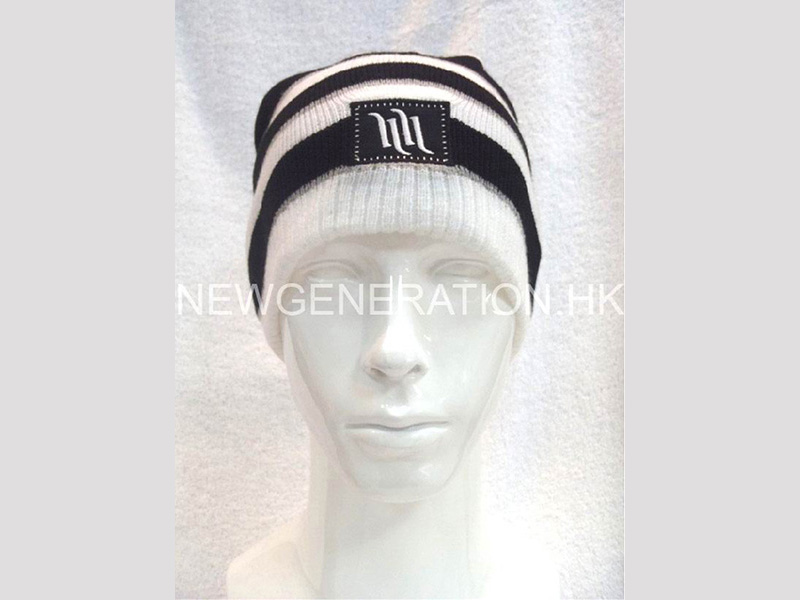
When a U.S. outdoor brand outsourced its winter beanie line to Vietnam, they assumed a simple rib-knit wool design needed no detailed specs. The result? 38% of units failed quality checks—some too tight, others slipping off during wind tests. The culprit: missing material-specific tolerances in the tech pack. That oversight triggered mass rework, delayed their holiday launch, and burned $187,000 in air freight and lost revenue.
Precise dimensional control isn’t optional—it’s engineered into production through strict tolerance specs. For knit headwear, where stretch and fit are critical, even ±2mm deviations impact real-world wearability. ASTM D4497 sets acceptable limits at ±1.5mm for circumference and ±2mm for crown height. Exceeding them means customers see 'runs small' in reviews, which can slash conversion by up to 40%, according to the 2025 Retail Fit Analytics Report. Worse, poor fit predictability drives return rates to 22%—nearly triple the average for well-controlled products.
This isn’t just about one brand’s misstep. It’s a pattern repeated daily by buyers who treat tolerances as footnotes instead of core engineering parameters. The cost? Delayed shipments, scrapped inventory, and eroded margins.
The three technical variables no buyer should ignore
Generic ±2mm allowances fail because they ignore how materials behave differently under production conditions. Real consistency comes from specifying three key variables individually in your tech pack: Gauge Tolerance, Yarn Shrinkage Rate, and Stitch Density.
Gauge Tolerance refers to needle spacing accuracy on knitting machines, measured in stitches per inch (SPI). A 7-gauge machine produces looser loops than a 12-gauge; any fluctuation beyond ±0.3 SPI changes elasticity and volume. If a factory switches machines without updating specs, the result may look identical but fit completely different—one batch stretches to 58cm, another maxes out at 56cm, creating a functional defect despite passing visual inspection.
Yarn Shrinkage Rate is equally critical. Wool can shrink up to 5% after washing if not pre-treated, while synthetics may expand under heat. Without documented pre-shrinking protocols, factories guess. A merino-cotton blend knit to 57cm pre-wash might stabilize at 54.5cm post-block—outside wearable range. Brands that specify targets like 'allow +4.2% growth to hit 57cm ±1.5mm post-block' eliminate this risk.
Stitch Density—the number of stitches per square centimeter—controls weight, drape, and recovery. Too low and bucket hats sag; too high and beanies feel stiff. But stitch density interacts with yarn type and gauge. A tightly knitted acrylic may mimic wool’s handfeel but recover poorly. Without target counts (e.g., '108–112 sts/dm²'), factories can’t replicate performance reliably.
How top factories use stress testing to lock in quality
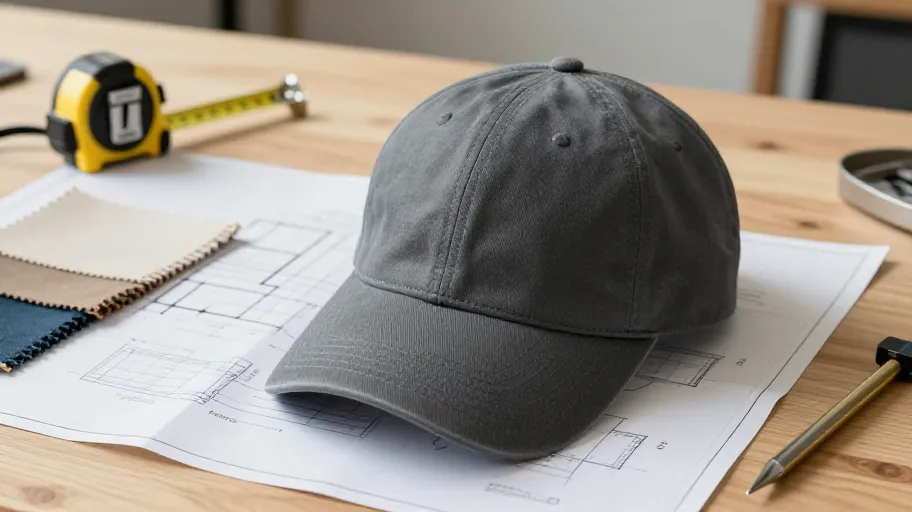
Leading cap manufacturers don’t rely on static specs—they treat the tech pack as a dynamic blueprint. During prototyping, they run a tolerance stress test: producing three sample batches with slight variations in gauge, tension, and finishing cycles to map how each variable impacts final dimensions. The data allows them to set tighter, smarter tolerances based on actual process drift, not theoretical ideals.
Brands using this method report a 63% reduction in size-related defects, according to the 2024 Sourcing Excellence Survey by the Global Apparel Sourcing Network. More importantly, their free samples—offered only after tech pack approval—are representative of bulk output, not outliers.
This precision pays off downstream. Uncontrolled stitch density leads to uneven pilling after five washes; improper shrinkage allowances distort logos during steaming. These aren’t cosmetic flaws—they’re signs of structural failure rooted in early-stage gaps. When all three variables are locked in advance, finishing operations like dyeing, blocking, and labeling proceed with predictable inputs, cutting reprocessing waste by up to 30%. That means fewer rejects, lower energy use, and faster time-to-market.
Why your tech pack opens doors to better terms
Treating tolerances as foundational specs doesn’t just prevent defects—it qualifies you for better collaboration. Factories prioritize partners who submit complete, science-backed tech packs because they reduce risk, streamline scheduling, and improve yield forecasting.
As a result, these buyers are more likely to receive free samples, preferential production slots, and access to premium material runs. In an industry where lead times exceed 14 weeks and capacity is tight, that advantage means capturing Q4 demand instead of missing it.
Precision today determines profitability tomorrow. By locking in Gauge Tolerance, Yarn Shrinkage Rate, and Stitch Density upfront, you turn sourcing from a gamble into a repeatable system. Every beanie fits, functions, and earns loyalty exactly as intended—no surprises, no scrambles, no six-figure losses.
Ready to stop guessing and start building headwear that sells? Nail your next tech pack, and request free samples with confidence.
#cap manufacturers china, #headwear manufacturers china, #cap factory