Why Paperwork Beats Promises Every Time
Asking for full documentation from a cap factory isn’t bureaucracy—it means you’re verifying real capability, not hoping for the best. When a manufacturer shares material traceability reports, QC checklists, and compliance certificates upfront, it means you can trust their production process because they’ve already proven consistency across past orders.
We worked with a DTC brand launching headwear for spring. They compared five suppliers in Guangdong—all quoting low MOQs, but only two provided complete records. The team skipped documentation to save time and picked a factory offering free hats samples with no audit trail. Result? Fabric weight was off by 12%, stitching failed durability tests, and the launch missed Q2 retail momentum. A competitor who waited for proof launched on time and captured 73% of early search traffic.
This isn’t rare. A 2024 Supply Chain Integrity Report found that suppliers with full documentation are three times more likely to deliver on-time and defect-free than those without. That’s because detailed records—from mill invoices to stitch-per-inch logs—mean fewer surprises at scale. You’re not just buying caps; you’re buying predictability.
Free Hat Samples That Actually Mean Something
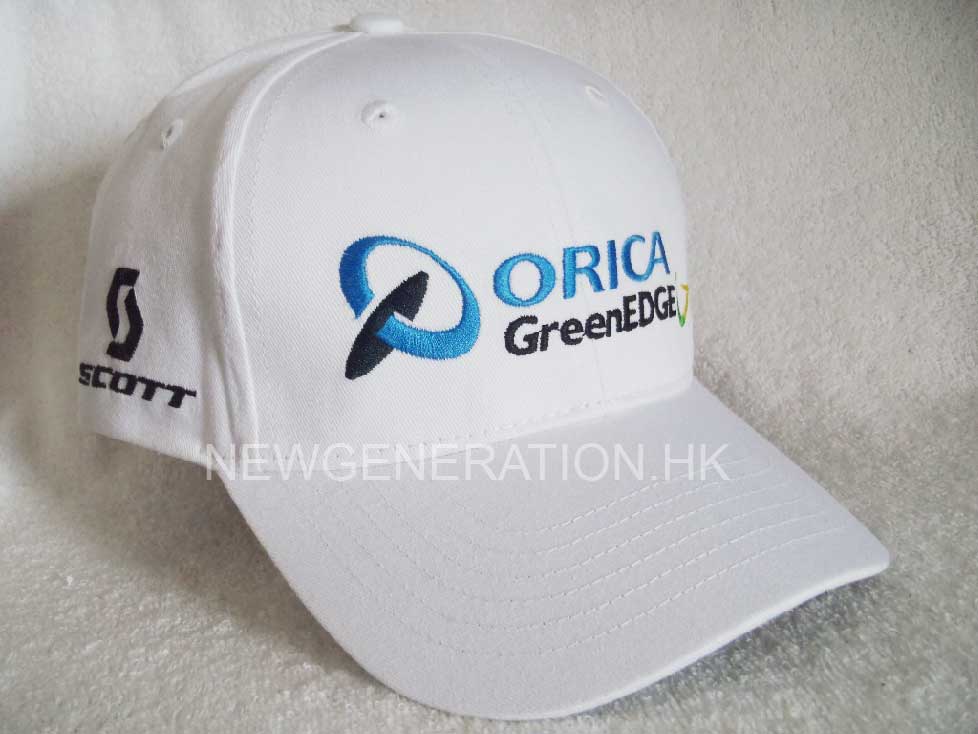
Free hats samples are common—but most are meaningless without context. Was your sample made with the same thread count, dye lot, and embroidery settings planned for bulk production? If the supplier can’t show you pre-production validation documents, then the sample is just a guess.
One brand reduced revision cycles from four rounds to one after enforcing a rule: no sample accepted without accompanying process data. That shift meant every prototype came with fabric swatch IDs, tension logs, and lab test summaries. It turned subjective approval into an objective checkpoint.
This matters because early validation means catching fit issues before cutting fabric for 10,000 units. For U.S. brands, that can prevent $15,000+ in rework and air freight costs when delays push launches past seasonal peaks. Free samples backed by documentation aren’t promotional—they’re insurance against design risk.
How to Spot a Real Cap Factory From a Middleman
Not every 'cap factory' owns equipment or manages production. Some are trading companies repackaging others’ work. The difference shows up instantly in documentation. A true cap manufacturer can provide machine logs, in-line inspection records, and direct mill contracts because they control the workflow.
When we evaluated two suppliers for a client:
- Factory A quoted $1.80/unit, MOQ 100, but shared no certifications or test reports.
- Factory B quoted $2.10/unit, MOQ 1,000, and sent ISO 9001 certs, OEKO-TEX® results, and a 12-point QC checklist.
The first had no facility photos or audit history—red flags. The second allowed third-party inspections and shared corrective action logs. We chose B. Their defect rate on the first run? 2%. Factory A’s typical buyers report 15%+ defects—costing $1,125 in rework alone on a 10,000-unit order.
True factories don’t hide behind vague claims. They prove capacity through paper trails because their systems are built to scale reliably.
The Hidden ROI of Starting With Structure
Prioritizing documentation doesn’t slow you down—it speeds up scaling. When you start with verified processes, moving from 10,000 to 100,000 units isn’t a leap into the unknown. You already know throughput rates, quality tracking methods, and communication protocols.
A 2025 Global Sourcing Institute benchmark showed brands using documented evaluations improved on-time delivery by 41% year-over-year and cut post-production defects by 68%. That’s not luck. It’s what happens when transparency precedes production.
You’re not paying more for higher standards—you’re avoiding hidden failure costs. Delayed launches, customer complaints, and emergency reshipments drain margins fast. Documentation turns suppliers from transactional vendors into strategic partners. And free hats samples become tools for validation, not marketing gimmicks.
What to Ask Before You Get Samples
Before requesting free hats samples, ask these questions:
- Can you share fabric mill invoices and lab test reports for the materials used in the sample?
- Do you follow a documented QC process with pre-production, in-line, and final inspections?
- Are your labor practices audited annually? Can I see the summary?
- Will the sample be built using the exact trim, thread, and embroidery specs for mass production?
If they hesitate, walk away. Reliable cap manufacturers in China expect these requests. They know their documentation is their competitive edge. One factory we partner with reduced client revision costs by 90% simply by sending digital dossiers with every sample shipment—proving consistency before the hat even ships.
So next time you’re comparing cap factories, remember: the documents they’re willing to share today tell you everything about the risks you’ll inherit tomorrow. Paper trails prevent supply chain derailments.
#cap manufacturers china, #headwear manufacturers china, #cap factory