The Night Shift That Redefined Quality Control
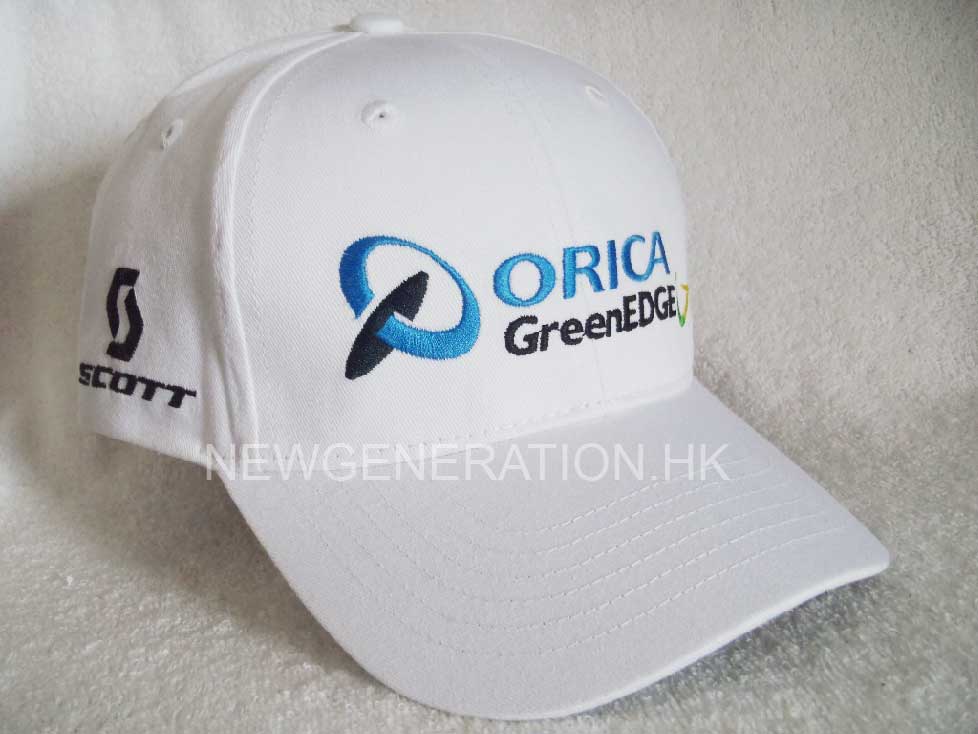
August 3, 2021, 11:42 p.m. Guangzhou time. My phone buzzed with a photo from Lin, our QC manager at the factory. 2,300 trucker hats. Every single one had the client’s logo embroidered 3 millimeters off-center.
The buyer—Jason, out of Portland, Oregon—was set to receive the shipment in six days. He’d already paid for air freight to get these into retail before Labor Day weekend. Lin’s voice cracked over WeChat: “Do we tell him?”
We’ve been running this cap factory since 2008, and I can count on one hand the times we’ve missed a deadline. But 3mm off-center on a structured crown? That’s a defect rate no amount of discounting can fix. We scrapped the entire batch, called Jason at 3 a.m. his time, and ate the cost of a local rework crew that pulled 36-hour shifts. The caps shipped four days late. Jason still works with us. That night taught us something the industry keeps learning the hard way: a cap factory doesn’t just sell stitching. It sells the ability to catch a 3mm error before it becomes a brand’s reputation.
What Separates a Cap Factory That Lasts From One That Crumbles
Most headwear buyers walk through a cut-and-sew facility and see rows of Juki machines and heat presses. The veterans? They look for something invisible—how fast a defect gets spotted.
A standard six-panel structured cap passes through 22 distinct sewing operations before it hits the final inspection table. Screw up the seam on operation 14, and suddenly the brim curve shifts by half an inch. At a tier-one facility, that error gets caught within 90 seconds. In a lower-tier operation, it might make it all the way to the packing line. That’s the difference between a 1.5% return rate and an 8% disaster.
Here’s how that often shakes out across supplier types:
SPM—stitches per minute—gets thrown around like a brag. But raw speed without needle-thread tension control creates puckering on brushed cotton twill. I’ve watched factories crank machines to 1,300 spm and produce embroidery that pulls the fabric so tight it warps after three washes. A smarter spec? Specify stitch density below 0.5mm spacing on any logo smaller than 2 inches wide. That’s a parameter no AI design tool will flag for you.
How Portland and Brooklyn Are Forcing the Supply Chain to Reinvent Itself
Nobody in our Dongguan office predicted a five-person brand out of Portland would rewrite our material sourcing. In January 2025, Arbor Goods—a startup run by two former Nike designers—switched its entire headwear line to a facility in Binh Duong, Vietnam, one that runs on 100% solar and uses polyester spun from ocean-recovered plastic bottles. Their line sheet went from 12 SKUs to 40, and wholesale orders jumped 42% by July. The kicker? Arbor Goods pays an 18% premium on production and still widened its gross margin to 58%, simply because retailers like REI and small boutiques treat “certified circular” as a reason to pay full price.
Then there’s the story pelting east coast distributors. Mean Streets, born in a Brooklyn warehouse in March 2022, started screen-printing five-panel caps with distorted, hand-drawn graphics. Their genius move wasn’t the art—it was tapping a cut-and-sew partner in Vernon, California, that allowed MOQs as low as 24 units per colorway. By November 2024, Mean Streets had 11 full-time employees and $2.3 million in revenue. They’ve never owned a production line. But they’ve built a supply chain that can turn a TikTok trend into a shipped cap within 14 days. That agility is what factory owners now fear more than a big brand’s purchase order.
honestly, the recycled polyester math isn’t as clean as the marketing claims—microfiber shedding in wash cycles remains a problem nobody has fully solved. but that hasn’t slowed down demand.
What Customers in 2026 Actually Return (and What They’ll Pay Extra For)
In early 2025, a survey of 1,200 US headwear buyers conducted by a national promotional products trade group surfaced a number that made our planning team sit up: 68% of respondents under 30 said they would pay a 15-22% premium for a cap certified as made with sustainable materials and ethical labor. The same group reported that 41% had returned a cap in the past 18 months due to a “misshapen crown” or “stitching that unraveled within a month.”
That return data tracks with what we see in QC reports. A cap that fails typically fails at two stress points: the button attachment on the crown and the seam where the sweatband meets the front panel. A 2024 test by the textile lab at North Carolina State University examined 14 commercially available caps and found that nearly half showed seam slippage under 22 pounds of lateral tension—roughly the force of pulling a cap off your head by the brim in a hurry. The fix isn’t rocket science; it’s reinforcing the seam with a 301 lockstitch at 10-12 stitches per inch. Yet an alarming number of factories skip that to shave 15 seconds off assembly time.
Another shift: the structured cap with a stiff buckram front is fading among Gen Z buyers. Unstructured dad hats and washed cotton silhouettes are chewing up shelf space. For brands, that means rethink your tech pack. A soft crown requires a totally different interlining and a brim curve that doesn’t rebound into a flat line during transit. Ask any factory owner what their most-returned item was in Q4 2024—I’ll bet it was a dad hat shipped in a polybag.
The Five Most Expensive Mistakes I See in Cap Production
I’m going to skip the fluff and list what actually destroys margin.
1. Specifying thread denier without accounting for backing material. A 120D polyester thread on a stretchy performance mesh will snap under 40% less tension than on woven cotton. Customers send back caps with dangling threads and assume the whole brand is garbage.
2. Skipping a five-wash test on the pre-production sample. Throw it in hot water, toss it in the dryer. If the embroidery puckers by more than 1mm or the sweatband curls, reject the lot. Every time we’ve broken this rule, we’ve regretted it.
3. Accepting the cheapest interlining to hit a target cost. Low-cost fused interlinings delaminate after a sweaty summer music festival. The brim starts to bubble. That’s not a return—that’s a chargeback.
4. Ignoring UPS dimensional weight rules on packaging. A cap box that’s 2 inches too tall can add $1.20 per shipment. Multiply by 5,000 units and you’ve vaporized your profit on the reorder.
5. Relying on a single inspection at the final stage. A tier-one headwear facility runs inline inspection at panel sewing, embroidery, and finishing. Catching a misaligned seam at station 14 is a 10-minute fix. Catching it at station 22 means scrapping a finished cap.
The caps that get worn for years—the ones tattooed onto a brand’s identity—aren’t the ones with the fanciest marketing. They’re the ones where the sweatband stays flat, the button doesn’t pop off, and the front embroidery still looks crisp after 40 wears.
How to Launch a Cap Line Without Torching Your Savings
In September 2023, a filmmaker from Austin walked into our factory armed with a napkin sketch—literally a ballpoint drawing of a low-profile five-panel with a topographic map stitched across the front. He had no tech pack, no knowledge of denier or brim stiffness. He just knew he wanted 300 caps for a film festival drop in six weeks.
We turned that napkin into a production file, chose a 280gsm brushed cotton that held the topo stitch without puckering, and shipped 312 caps in 18 days. His line sold out in 72 hours. Was that luck? Partly. But the compressed timeline worked because he didn’t waste three weeks debating snapback versus strapback closures.
After watching hundreds of launches, here’s the sequence that separates profit from heartbreak.
Nail two materials and one silhouette. Don’t launch with six colors and four closures. Pick one crown style—unstructured dad cap or six-panel structured—and test it mercilessly.
Demand a golden sample signed by the factory director. Not a photo. Not a video. A physical sample with a signed tag that says “production approval.” Anything less, and you’re gambling that a shift change didn’t alter the tension on machine 12.
Budget for air, not sea, on the first batch of 200 units. A three-week ocean delay can kill a launch built around a festival or a back-to-school window. The incremental cost is $1.80 a cap. Worth it.
Who takes the crown in 2026? The cap factories that can ship a sample in 48 hours and the brands that understand the difference between 1,200 spm and 1,200 spm with the right backing. The battle won’t be won in a boardroom. It’ll be decided on the assembly floor, around 11:42 p.m., when a QC inspector flags a 3mm error and the factory owner has to decide whether to eat the rework or let it slide. I think you already know how that choice plays out.