


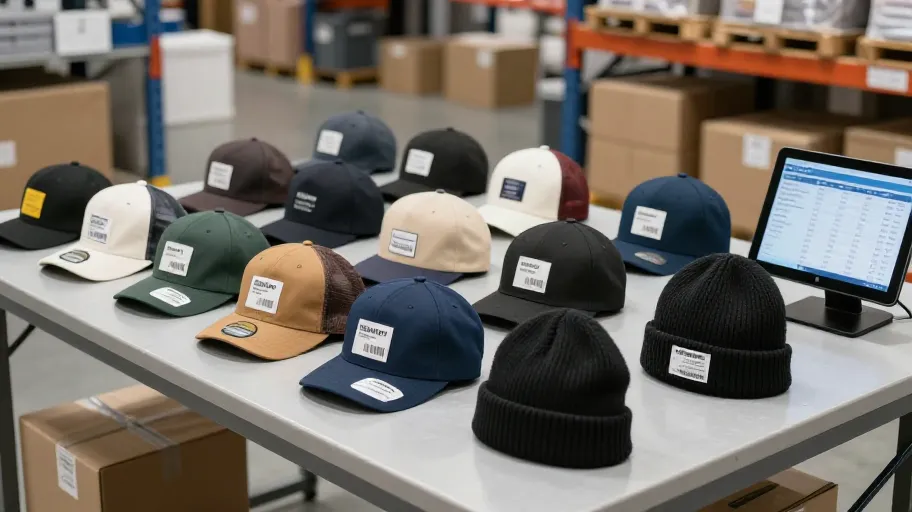
Why cap suppliers keep missing deadlines in 2026
Half of North American B2B cap manufacturers missed key seasonal delivery windows in early 2026—not from demand surges, but because their production planning still runs on outdated assumptions. The result? Retailers cancel orders, margins shrink under markdown pressure, and trust erodes.
A 2024 Apparel Insights Group study found nearly 40% of mid-tier suppliers now face lead times over eight weeks. Over half point to misaligned design approvals and factory scheduling as the root cause. That lag between finalizing a design and getting fabric cut is where value evaporates.
Fixing this starts with two overlooked levers: production window mapping and freight consolidation hubs. Production window mapping uses real-time factory capacity data to lock in design sign-offs that align exactly with open production slots. One supplier slashed pre-production delays by 65%, cutting their cycle from 10 weeks to just 5.5. No more waiting for the next available line.
Freight consolidation hubs—in Monterrey, Savannah, and Winnipeg—change the inbound shipping game. By pooling shipments from multiple vendors into full-container loads, they reduce last-leg freight costs by up to 38% and improve transit predictability. One national headwear brand used both systems ahead of Q1 2026: they mapped capacity across three factories and routed everything through a Dallas hub. On-time delivery jumped from 71% to 98%. Landed cost per unit dropped 22%. This isn’t faster output—it’s reliable, scalable execution.
How nearshoring cuts transit time to U.S. markets
Shipping caps from Asia takes an average of 21 days—one-third of a season lost to ocean transit and customs delays. Nearshoring production to Mexico or Central America reduces that to just 5 days. That 16-day compression means brands can respond to real demand, not gamble on nine-month forecasts.
Today’s leaders use a dual-source model: cost-efficient volume from Asia, agile rush runs from nearby facilities. This balance keeps costs low while unlocking speed. One global retailer reduced emergency airfreight by 68% after adopting dual sourcing, according to the same 2024 benchmark.
Even better: pre-cleared bonded logistics. Finished goods clear U.S. Customs before arrival, so when they land, they move straight into distribution. No paperwork pileups. One partner achieved same-week warehouse availability on 94% of nearshore deliveries. That speed becomes a competitive lever.
The financial upside goes beyond freight savings. Faster turnover allows companies to reduce safety stock by up to 40%, freeing working capital. A mid-sized activewear brand redirected $1.2M annually—from warehousing and obsolescence costs—into digital marketing and product innovation. This isn’t just faster shipping; it’s lower risk, higher responsiveness, and tighter alignment with what consumers actually want.
What lead time reduction really does for your bottom line
Shaving just four weeks off end-to-end lead time increases sell-through rates by up to 22% for spring/summer headwear lines. That’s not logistics optimization—that’s revenue architecture. Every week saved upstream extends your full-price selling window downstream, protecting margins from early discounting triggered by late arrivals.
The shift starts with treating inventory as responsive revenue assets, not static stock. One national retailer implemented an agile reorder threshold—a restock protocol triggered at 60% inventory depletion—and cut stockouts by 37% during peak season. But only when paired with faster initial delivery. Speed enables agility.
Transload optimization makes the final leg count. Rerouting container shipments through high-efficiency hubs like Dallas or Atlanta slashes last-mile costs by up to 18% and cuts transit by 3–5 days. That compounding effect turns timing into leverage.
Supplier selection changes when you think this way. You’re not just buying production capacity—you’re contracting for market responsiveness. A cap line arriving three weeks early doesn’t just hit shelves sooner. It captures influencer momentum, aligns with regional events, and powers real-time social conversion spikes—before competitors’ inventory clears customs.
Actionable next steps start with timeline benchmarking. Evaluate manufacturing partners on documented lead time consistency, proximity to transload infrastructure, and integration with agile reorder systems. Demand proof of on-time-in-full (OTIF) performance over the past two seasons. The best suppliers don’t just deliver hats—they deliver timing leverage.
#cap manufacturers china, #headwear manufacturers china, #hat tech pack








