

Choosing a logo treatment for custom caps is not simply a choice between embroidery and patches. The right option depends on the logo itself, the cap material and the moment in which the wearer will see it.
Start with the Mark–Material–Moment test. It gives a product team a clearer discussion than asking which option is "best."
The Mark–Material–Moment test
Mark: what does the logo need to communicate?
Look at the number of small details, the line weight, the colour changes and the role of the logo. A simple mark may need a different treatment from an illustrated badge. If the artwork includes tiny text or fine lines, do not assume every treatment will reproduce it in the same way. Mark those details for sample review.
Material: what is the cap made from?
The front construction and material affect how a logo appears and feels. A cap can have a structured or softer front, a smooth or textured fabric, and different areas available for branding. State the material direction and the intended placement in the brief, then ask what needs confirmation on the sample.
Moment: where and how will the cap be worn?
Is the cap intended as a uniform item, a retail product, a club piece or an event giveaway? The intended context shapes the visual direction. A subtle branded mark and a bold collectible patch may solve different brand problems even when they use the same artwork.
Compare the three common directions
| Direction | Often useful when | Questions to approve on a sample |
|---|---|---|
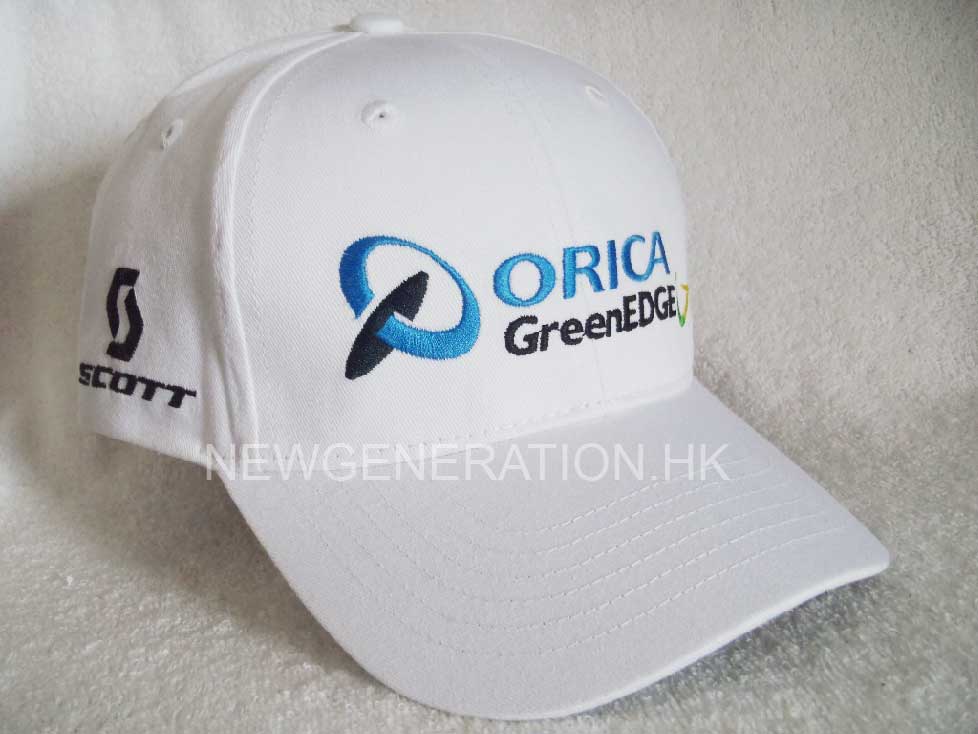
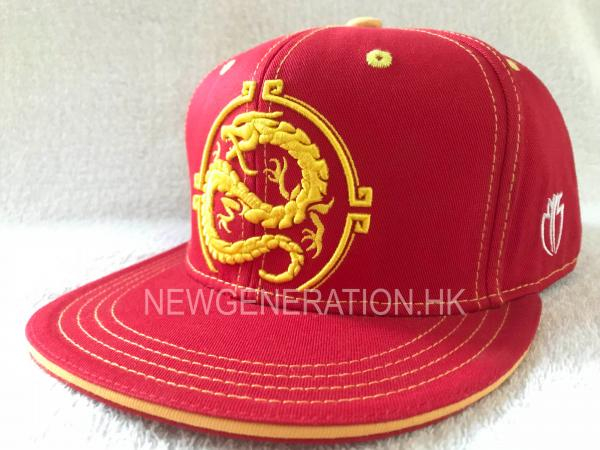
| Embroidery | The logo benefits from visible thread texture and a direct application to the cap. | Thread colour, edge definition, position, scale, density and how the mark sits on the front panel. |
| Woven patch | The identity works as a badge and needs a defined patch boundary. | Patch size, border, backing, attachment method, colour detail and position. |
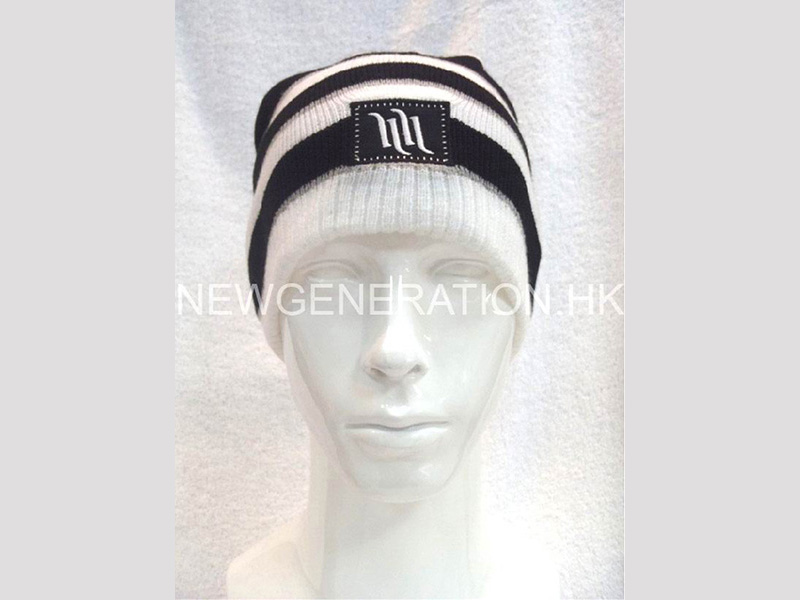
| Leather patch | The brand direction calls for a material contrast or a more tactile label-like detail. | Patch material, finish, mark treatment, edge, attachment and appearance against the cap fabric. |
This table is not a production guarantee. It is a briefing tool. The physical sample is where a team confirms whether the actual artwork, cap and treatment work together.
Do not separate placement from construction
A logo can be centred on a screen and still feel wrong on a finished cap. The front panel shape, seam position, crown height and brim relation all affect the result. Add a marked front, side and back view to the brief when placement matters.
Use a short placement note:
- identify the cap reference and view;
- show the intended logo area;
- mark approximate width and vertical relationship to visible features;
- identify whether the treatment is fixed or still being compared;
- record who approves the final sample placement.
The note does not need to replace a full tech pack. It simply prevents the word "front" from carrying too many assumptions.
Review a sample with evidence, not memory
During sample review, compare the cap to the approved artwork and placement reference. Ask:
- Does the logo remain legible at the intended scale?
- Does the treatment match the intended brand direction?
- Does the placement look correct from the front and side views?
- Are cap construction, fabric and decoration being reviewed as one product?
- What must be recorded before a bulk handoff is considered?
If a revision is needed, write it as an instruction tied to the sample and marked image. Avoid vague feedback such as "make it cleaner." A clearer record gives the team something it can verify at the next review.
Prepare artwork for a useful first conversation
Bring the most complete artwork you have, reference images, colour direction and a list of open questions. If you do not know the final treatment yet, say that directly. Ask the manufacturer which details need to be clarified before a sample is discussed.
This is a better starting point than choosing a patch or embroidery method solely from a product photo. It makes the uncertainty visible and gives the sample a real decision to answer.
Primary CTA: Get the Cap Decoration Brief
Use the brief to collect logo files, placement references, cap images and sample-review questions in one place. Then send one consistent version to each supplier you are comparing.
FAQ
Is embroidery always the best option for a cap logo?
No. The best fit depends on the logo, cap material, placement and intended visual direction. Use a sample to assess the combination instead of relying on a mock-up alone.
Can one cap use both embroidery and a patch?
It may be possible for a project, but the design needs a clear hierarchy. Document the placement and purpose of each element, then review the combination on a sample.
What should I send before requesting a logo sample?
Send the artwork available, cap references, placement notes, colour direction, the intended use context and the decisions the sample must help you make.