


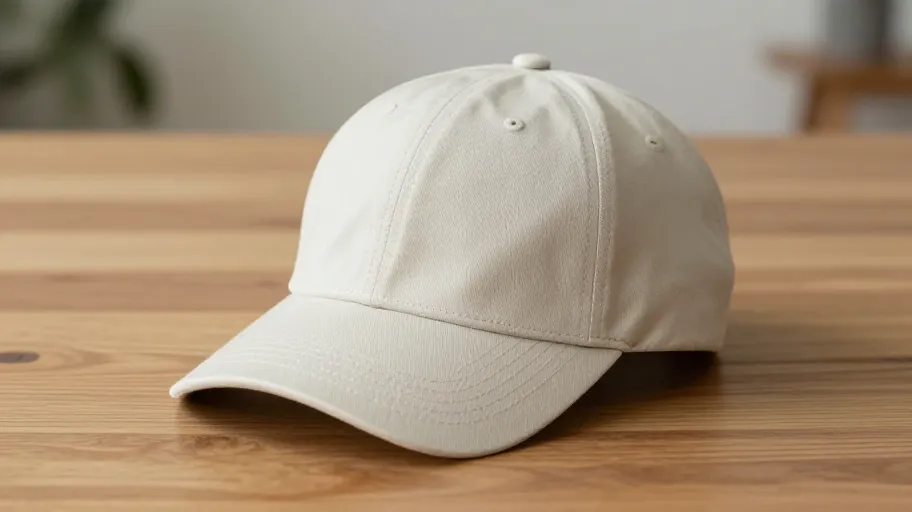
Getting a free cap sample from China can save money—or trigger a $14,000 disaster. Most brands don’t realize what’s missing until it’s too late. Ask these key questions before you commit.
The truth behind free hat samples
A so-called free cap sample from a cap factory in China often covers only labor and generic materials for one basic structured cap. That means no custom trims, no special fabrics, and no shipping. If your brand relies on eco-friendly materials or specific compliance standards, this minimal version won’t reflect your real product. A U.S. startup learned this when their "free" sample led to $14,000 in surprise tariffs and rework—because the fabric wasn’t flame-resistant as required under 16 CFR Part 1610. Free means minimal, not complete.
This isn’t rare. According to a 2024 Apparel Sourcing Institute study, 42% of first-time buyers face unexpected costs after receiving samples, averaging 18% of their projected bulk order value. The sample itself has no invoice—but everything around it adds up fast. What looks like savings at the start becomes expensive fixes later.
What most suppliers don’t tell you
When you contact hat manufacturers China-based for free hats samples, they’re usually offering a Tier 1 OEM service: copying an existing design with off-the-shelf components. But if your brand needs moisture-wicking fabric, reflective stitching, or biodegradable buckles, those details won’t appear unless explicitly confirmed. One Austin brand received a plastic snapback instead of the corn-based closure they requested—delaying launch by three weeks and costing $7,200 in retooling fees.
The issue? Assumptions. Suppliers assume you want speed; you assume they understand your specs. But without clear communication, the sample isn’t a prototype—it’s just a lookalike. And because most factories quote samples on EXW (Ex Works) terms, you also inherit all logistics costs: export packaging, freight, customs clearance, and import duties. A $0 sample can easily cost $120 to land in your office—and that’s before any corrections.
Critical questions to ask before ordering
To avoid costly misalignment, treat every sample request as a test of your supplier’s capability and transparency. Ask directly:
- Material source control: Can we specify GRS-certified recycled polyester or other external materials? Will the sample use them, or only house stock?
- Customization scope: Does the free sample include our exact logo placement, stitch count, and backing type—or just a placeholder?
- Compliance testing: Is the sample checked against CPSIA or Prop 65 limits? If not, can we add a compliance clause to the agreement?
- Shipping terms: Is this EXW, FOB Shanghai, or DDP? Who handles export declarations and U.S. import classification?
- Tooling carryover: If we approve the sample, do molds, dies, and digital embroidery files transfer to production without extra fees?
These aren’t pushy—they’re necessary. A Denver outdoor brand cut time-to-market by 38% simply by requiring FOB shipping and material swatches with every sample. They locked in real landed costs early and avoided tariff errors under Section 301.
How to turn samples into a strategic advantage
The word "free" distorts judgment. Behavioral economics shows buyers overvalue zero-cost items, even when total ownership costs rise. MIT research found poorly defined sample agreements lead to 57% more post-PO changes—each causing 9-day delays and 6% margin loss. Avoid this by reframing "free" as "foundational." Use the sample phase to test systems, not just style.
Demand a full packet: material datasheets, trim origin list, stitching specs, and a signed conformity statement—even if provisional. Push for FOB or CIF shipping so logistics are built into your cost model from day one. And prioritize vertically integrated cap manufacturers with in-house dyeing, trim production, and QC labs. Brands working with such partners report three times fewer material swaps during scaling, according to a 2025 McKinsey report.
Asking the right questions doesn’t prevent small hiccups—it stops systemic failures. It turns a single cap into a blueprint for scalable success. Because in global sourcing, the cheapest sample isn’t the one with no invoice. It’s the one that prevents the next ten problems before they start.
#cap manufacturers china, #headwear manufacturers china, #cap factory








