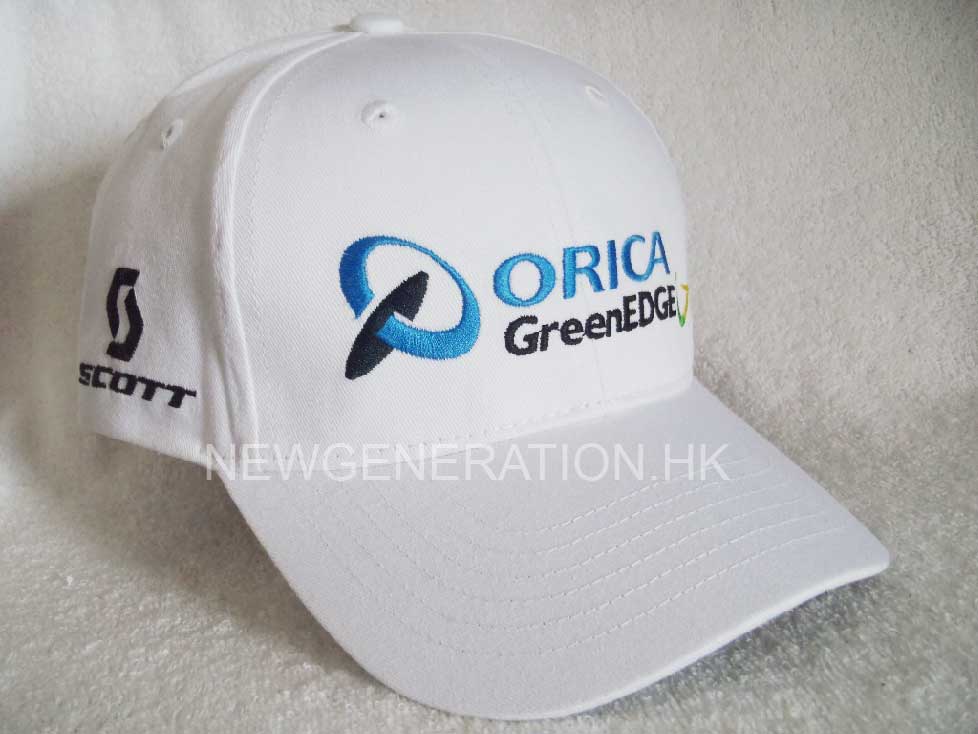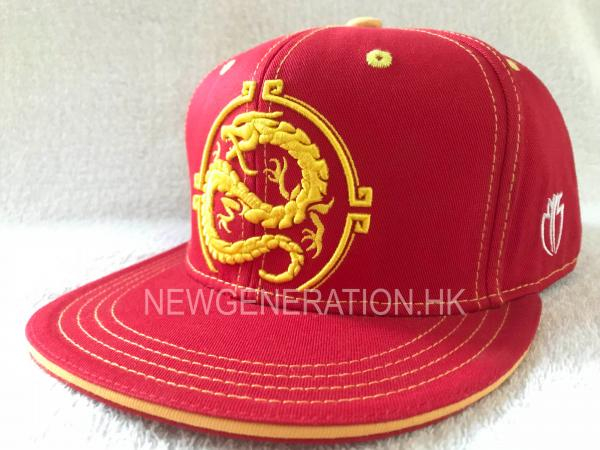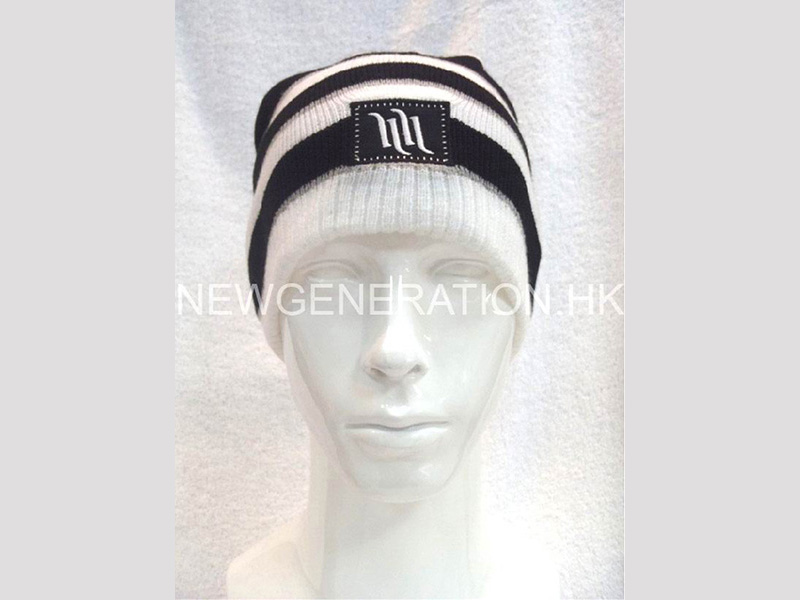



The Hidden Cost Trap: Product vs. Logistics
For new brands and price-sensitive buyers, the sample phase is the most critical risk mitigation step. It is the tangible proof of a cap factory's communication quality and manufacturing precision. However, misinterpreting the terms of a "free" offer can lead to unexpected invoices and friction with your supply chain partners.
In the B2B headwear industry, a "free sample" serves a specific marketing purpose: it lowers the barrier to entry for you to evaluate the factory's handiwork. However, sourcing professionals must distinguish between the value of the product and the cost of delivery.
Most Shenzhen-based OEM/ODM cap manufacturers will absorb the labor and material cost for a standard catalog item to demonstrate their capability. This is a standard practice. Where the "free" label often stops is at the courier desk. International freight, especially for express shipping from China to Europe or the Americas, can constitute a significant portion of your initial sourcing budget. Furthermore, if your request involves complex customization—such as a new mold for a buckle or a specific dye lot—suppliers may classify this as a "paid sample" or a "sampling fee" that is only refundable upon bulk order placement.
The Scope Verification Matrix
To avoid ambiguity, use the following matrix when reviewing a sample offer. This framework helps you categorize what is genuinely complimentary and what requires capital outlay.
| Cost component | Standard "Free" offer | Potential paid scenario | Why it matters |
|---|---|---|---|
| Base product | Often covered for existing styles. | Almost always charged for 100% custom designs. | Determines if you are testing capability or modifying a catalog item. |
| Custom logo (embroidery) | Sometimes included for simple logos. | Charged for digitizing or complex 3D/puff embroidery. | Complex setups require machine time and programming. |
| Freight (shipping) | Rarely included; usually "Freight Collect". | Only included if negotiated into a larger contract. | Express shipping varies by weight and zone. |
| Mold / tooling | N/A (for standard caps). | Charged for new visor shapes or unique hardware. | Hard tooling involves upfront engineering costs. |
| Sample revision | One round often included. | Subsequent iterations usually billed. | Limits design churn and focuses on finalizing specs early. |
Application of the Matrix: When a supplier agrees to a free sample, explicitly ask them to map their offer against this matrix. If they agree to cover the base product and logo but charge for freight, your "free" sample now has a known variable cost. If they charge for the logo setup, you must compare that cost against the risk of proceeding without a stitched proof.
Physical Specifications to Verify
Receiving the sample is only the beginning. The value lies in the inspection. As a buyer, you are not just looking at the aesthetic appeal; you are validating the structural integrity and material fidelity. Before approving the sample for bulk production, verify the following physical attributes against your technical sheet:
- Stitching Density and Tension: Check the back of the embroidery. Is the backing clean? Are the stitches tight, or do they loop loosely? High tension ensures the design survives washing and wear.
- Fabric Hand and Weight: Does the material feel substantial or flimsy? Verify the grams per square meter (GSM) matches the agreed specification. A discrepancy here alters the entire cost structure of the bulk order.
- Color Fastness: While a full lab test isn't possible on a single sample, perform a rub test with a damp cloth on the fabric and embroidery to ensure there is no color transfer.
- Structural Alignment: Ensure the crown is centered on the brim. A tilted crown can indicate poor cutting or inconsistent sewing tolerances, which will magnify in a bulk production run.
- Closure Functionality: If the cap uses a snapback, buckle, or velcro strap, test the mechanism multiple times. It should hold tension without slipping.
Strategic Approval Questions
Once you have the physical sample in hand, you must bridge the gap between the prototype and the mass production run. The "free" sample is often made by a master craftsman in a sample room, whereas bulk production occurs on the factory floor. To ensure the bulk units match the sample, ask the supplier the following approval questions:
- "Was this sample produced on the same production line that will handle my bulk order?"
Reasoning: Samples made in the sample room often have higher quality control than assembly line units. You need to know if the factory can replicate the sample quality at high speed. - "What is the tolerance for color matching in bulk production compared to this sample?"
Reasoning: Dye lots vary. Establishing the acceptable Delta E (color difference) metric prevents disputes later. - "Can you provide a pre-production sample for my approval before the full run commences?"
Reasoning: This is your safety net. Even if the initial free sample was perfect, the pre-production sample confirms that the bulk materials align with that initial standard. - "Are there any specific packing or labeling requirements for the bulk shipment that differ from this sample?"
Reasoning: Samples often ship in poly bags with individual stickers. Bulk orders might require master cartons or specific hangtags that affect the final look and feel.
Checklist for Sample Success
To standardize your evaluation process, utilize the following checklist during your review phase. This ensures that no critical detail is overlooked before you commit to a purchase order.
- Confirm Cost Scope: Verify explicitly that the product cost is waived and identify who pays the freight.
- Verify Material Specs: Check fabric weight and composition against the provided spec sheet.
- Inspect Embroidery: Look for loose threads, puckering, or misalignment on the logo.
- Test Hardware: Ensure snaps, buckles, and closures function smoothly.
- Validate Dimensions: Measure the brim length, crown height, and circumference to ensure they meet design intent.
- Document Approval: Sign and return a confirmation photo or physical copy to the supplier to lock in the standard.
Frequently Asked Questions
Does a free sample include my custom logo?
It depends on the complexity. Suppliers often include standard embroidery for simple logos to win your business. However, complex designs requiring extensive digitizing or special techniques like 3D puff embroidery may incur a setup fee, even if the cap itself is free.
Who pays for the shipping of a free sample?
In most OEM/ODM scenarios, the buyer is responsible for the shipping charges. You will typically need to provide a courier account number (like DHL, UPS, or FedEx) or agree to pay the freight cost via wire transfer before the item ships.
Can I get a refund for the sample cost if I place a large order?
Many suppliers operate on a "sample fee refundable" model. If they charge you for a sample upfront due to customization costs, they will often deduct this amount from your final invoice or the deposit payment for the bulk order. Always confirm this credit mechanism in writing.
How long does it take to receive a free sample?
Lead times vary based on the factory's current sample room load and the complexity of your request. Standard catalog samples may ship faster than custom-made samples requiring new tooling or materials. Always ask for a specific ship date rather than a general estimate.
Is the sample I receive identical to the bulk production?
The free sample is intended to represent the bulk quality, but minor variations can occur due to different dye lots or scaling up from manual sample sewing to automated machine production. This is why requesting a "pre-production sample" after order confirmation is a best practice.
Securing free hats samples is a standard step in sourcing, but maximizing its value requires a rigorous approach to verification and communication. By understanding the scope of what is free, inspecting the physical attributes rigorously, and asking the right strategic questions, you protect your brand from quality drift and unexpected costs. Treat the sample not just as a gift, but as a contractual benchmark for the production run to follow.
Download Your Sourcing Checklist
Download the Sample Confirmation Checklist to ensure you cover every critical detail before approving your headwear for mass production.
Download the Sample Confirmation Checklist →Quick Reference: Sample Evaluation Checklist — a lightweight version to run on every sample review.