

Turning a sketch into a sellable snapback takes more than cool graphics. It takes precision, shared language, and factory-aligned specs—or you’ll pay in delays, waste, and wrecked margins. Here’s how top brands get it right.
From Idea to Real Hat, Fast
A clear design brief cuts sample rounds by up to 70%, slashing time-to-market and protecting margins. For U.S. brands working with overseas cap factories, that clarity isn’t optional—it’s survival. A 2024 Apparel Manufacturers Association study found 68% of first samples need rework, mostly due to vague briefs. Each round adds 10–14 days and $1,200–$2,500 in costs. That’s a quarter-million dollars down the drain on a 10-style launch.
Precise communication means using the same terms factories use: front panel configuration, visor length, closure type, and B帽 structure. These aren’t jargon—they’re control points. When you specify them clearly, you lock in fit, function, and cost. Structured communication means fewer emails, fewer revisions, and faster yeses. It turns chaotic collaboration into a repeatable system.
Front panel specs mean your logo lands perfectly every time because pattern engineers cut identical pieces across 10,000 units. Visor length in millimeters means no dimensional drift, so your sun protection claims hold up. Closure type defined down to material and adjuster mechanism means your sustainability story matches reality. B帽 construction spelled out means consistent airflow and comfort—no more customer complaints about tight fits or sweat buildup.
Why the Front Panel Makes or Breaks Your Design
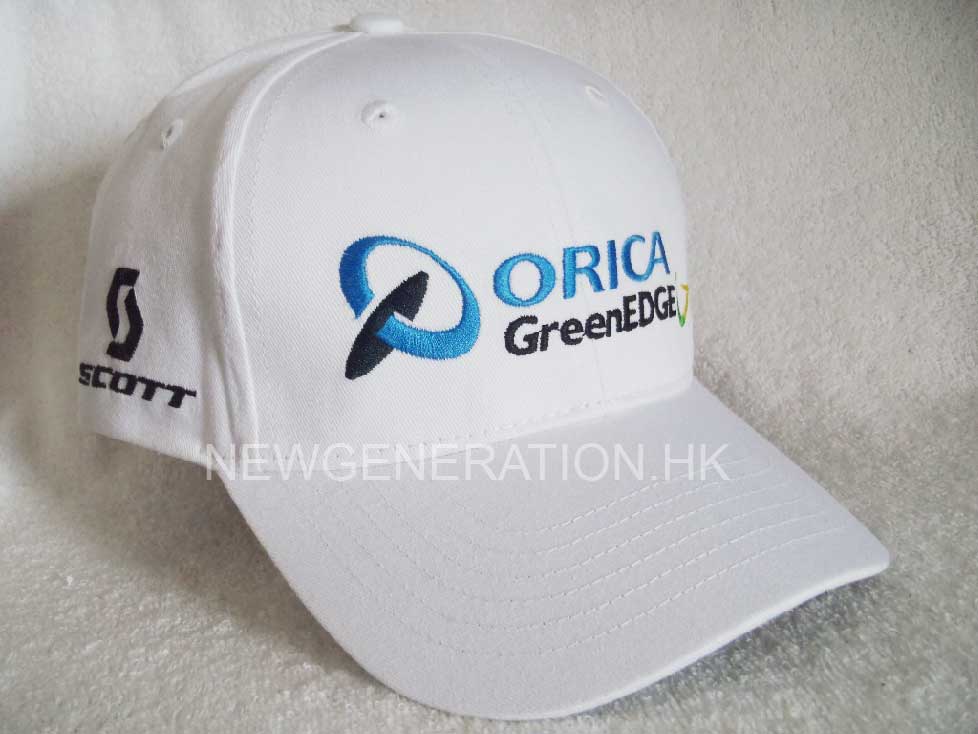
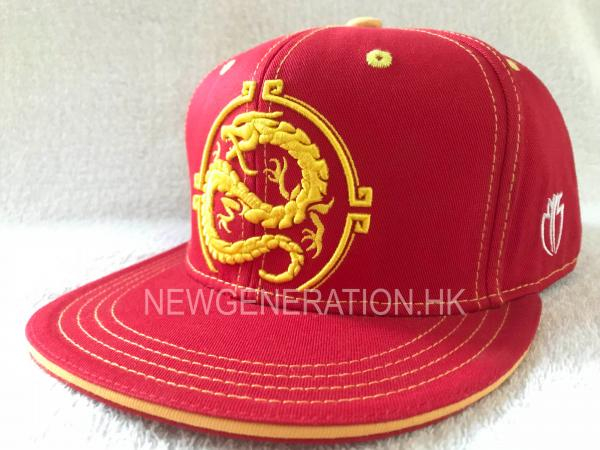
A 'structured front' sounds clear—until your sample arrives with six seams instead of two. Factories default to standard builds unless told otherwise. If your brand wants a seamless curved facade for bold embroidery, you must specify panel count, curvature, foam thickness, and seam allowance.
Exact front panel specs mean embroidery stays centered across all sizes because patterns are cut uniformly. That precision reduces fabric trim waste by up to 18% at scale. One streetwear label reduced material overruns by $38,000 on a 20,000-unit run just by locking in a 2-panel + 4mm EVA foam spec upfront. It also prevents last-minute redesigns when samples miss the mark. For technical teams, this means fewer fire drills. For executives, it means predictable COGS and cleaner P&L statements.
Visor Length Isn’t Just Style—It’s Science
'Standard' or 'extended' visors leave too much open to interpretation. A 3mm difference might seem minor, but over thousands of units, it wastes 47 extra meters of material and throws off aerodynamics or shade coverage. Performance and outdoor brands can’t afford that.
Specifying visor length in exact millimeters means consistent tooling and lamination, because die-cut machines run to fixed dimensions. Pairing it with ASTM D6248 standards means your caps maintain shape under heat and humidity. Brands that do this see a 41% drop in first-sample rework, according to 2025 QC audits across 37 OEMs in Vietnam and Bangladesh. For managers, that’s fewer approval cycles. For designers, it means the silhouette they signed off on is the one that ships.
Closures Are Where Comfort Meets Brand Values
An 'adjustable strap' could be plastic, metal, or recycled webbing. If your brand promotes sustainability but gets a petroleum-based buckle, you’ve contradicted your own messaging. Closure type isn’t cosmetic—it’s mechanical and ethical.
Defining closure specs means your cap fits diverse head sizes without sacrificing durability or values. Saying 'fabric-covered metal slide, 28mm width, 3-position adjust' ensures consistency. One DTC activewear brand dropped closure-related revisions from 2.8 to 0.3 rounds by adding a simple matrix to their briefs. That saved 19 days per style and let them hit early-season retail windows. For decision-makers, that’s faster inventory turnover. For customers, it’s a better unboxing experience.
The Hidden Power of the B帽
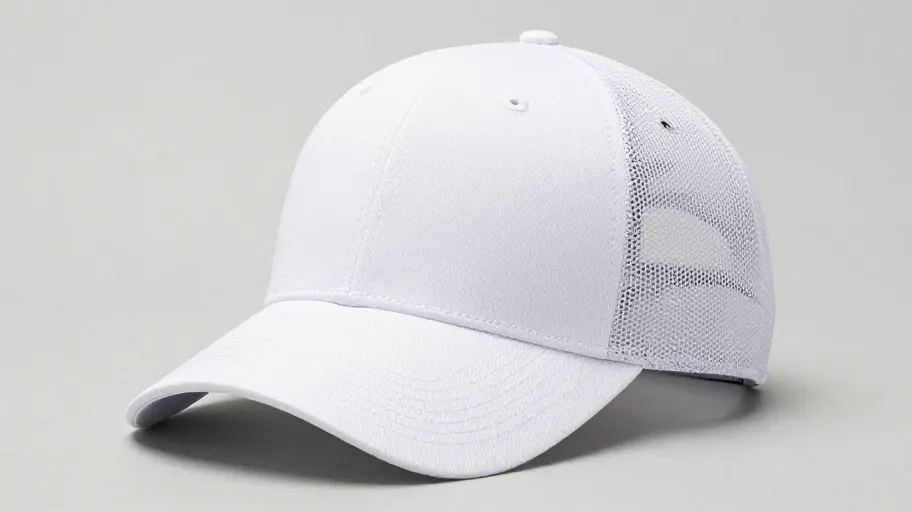
The B帽—the back structure—is often ignored until samples arrive too stiff or too loose. But it determines breathability, stretch, sweat management, and overall wearability. A golf brand needs moisture-wicking taping and mesh panels. A streetwear label wants clean lines and rigid support. The B帽 delivers both—if specified.
Standardized B帽 descriptions mean consistent comfort and performance because factories build to exact rear architecture. Including exploded diagrams and material callouts eliminates guesswork. A mid-tier outdoor brand cut sample rounds from 3.2 to 1.1 after adopting factory-style B帽 templates. Their time-to-market improved by 39%, and factories lowered MOQs by 22%—they trusted the brand wouldn’t come back with changes. For leadership, that’s stronger supplier leverage. For product teams, it’s confidence in fit, every time.
Turn Your Brief Into a Quality Machine
The best brands don’t just send briefs—they build quality into them. Using a pre-submission checklist based on Six Sigma principles (Define, Measure, Analyze, Design, Verify) turns creative input into manufacturing certainty. Required elements: panel counts, visor mm, closure SKUs, and approved B帽 diagrams.
A structured brief means faster approvals, lower costs, and better partnerships because factories see less risk. One brand renegotiated MOQs downward simply by proving their specs were first-time-right. This shift turns trust into a measurable outcome. The next step? Scoring manufacturers on execution accuracy, not just speed. Because when every term has weight, the path from sketch to snapback becomes predictable, profitable, and scalable.
- Clear front panel specs prevent embroidery distortion and reduce material waste
- Precise visor length cuts rework costs and supports product claims
- Defined closure types align ethics with engineering
- Standardized B帽 descriptions guarantee comfort and structural integrity
Ready to cut sample rounds and hit launch dates? Start by rebuilding your brief—not as a document, but as a quality control tool.
#cap manufacturers china, #headwear manufacturers china, #cap factory