


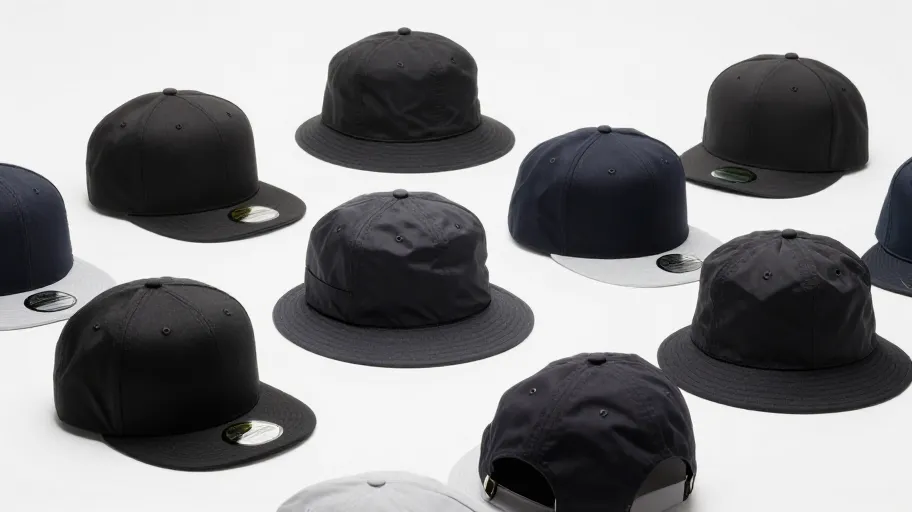
- Brim curvature
- Crown taper ratio
- Seam allowance type
Why One Outdoor Brand Lost 42 Days on a Bucket Hat
A U.S. outdoor lifestyle brand rushed its first bucket hat to market—only to have the entire run rejected. No fabric flaw, no logo error. The culprit? Missing brim curvature and crown taper ratio in the initial brief. Without these, the hats sat too high, offered poor sun protection, and slipped during use. The oversight triggered three remakes, a 42-day delay, and a 28% increase in landed cost per unit.
This isn’t rare. It’s routine. When key dimensional data is missing, even elite cap manufacturers face ±15% fit deviation. That variability kills consistency, spikes returns, and damages brand trust. A 2024 study by the Apparel Product Integrity Consortium found that 78% of first-sample failures in headwear trace back to ambiguous or missing specs—not stitching, not materials. These delays are preventable. Top bucket hat factories now require full technical drawings before cutting fabric. Doing so cuts remake rates by up to 65% and shortens time-to-market by 3.5 weeks—critical when early availability captures 40% more seasonal revenue.
Brim Curvature Isn’t Just Style It’s Sun Protection
Brim curvature—the engineered arc along the brim’s edge—isn’t cosmetic. It determines how much shade covers the face and neck. Too flat, and it fails at low sun angles; too curved, and it blocks peripheral vision like a visor. But beyond wearability, this spec impacts manufacturing: pattern grading, seam alignment, and material tension all depend on it.
Brim curvature means better user experience because hats perform as intended in real conditions. Factories that enforce curvature specs—measured in degrees at three or more points—see fewer post-production fixes. One European supplier reduced fit-related complaints by 52% after standardizing curvature across lines. For brands selling functional headwear, that’s not just quality—it’s credibility.
Crown Taper Ratio Scales Fit Across Sizes
The crown taper ratio—the rate at which the crown narrows from base to apex—is essential for consistent fit across sizes. Without it, hats pinch or slip, regardless of strap adjustments. This ratio must align with target demographic head shapes. A European line may need a steeper taper than one built for broader North American or Asian fits.
Undefined taper ratios mean inconsistent sizing because factories default to legacy patterns. One U.S. activewear brand faced a 22% return rate on their unisex bucket hat—customers said it was 'too tight' or 'slips off.' After defining a standardized taper, returns dropped to 9%, and customer satisfaction jumped 31 points in one season. Crown taper ratio means higher retention because people keep what fits.
The Six Non Negotiables Top Factories Demand
Leading baseball cap factories don’t wait for errors—they prevent them. They require six core measurements before sampling begins:
- Brim width (front, side, rear) means balanced proportions because asymmetry affects both look and function
- Crown height means optimal ventilation and silhouette because taller crowns reduce heat buildup and influence style
- Head circumference baseline with tolerance bands means accurate sizing because stretch vs. rigid materials behave differently post-stitching
- Seam allowance type means predictable final dimensions because 1/8” differences alter fit at scale
- Brim curvature angle (in degrees, min. 3 points) means reliable sun coverage because geometry dictates performance
- Crown taper ratio (% reduction per inch) means cross-size consistency because heads vary predictably by region
Together, these form a predictive model. Factories simulate fit digitally, validate patterns algorithmically, and flag issues before sewing begins. Some use automated grading systems that adjust patterns based on input ratios—cutting human error and accelerating turnaround.
Precision Pays Off in Lower Costs and Faster Launches
The math is clear. A single first-sample cycle costs $1,200–$1,800 in labor, materials, and freight. With a 78% failure rate due to missing specs, most brands burn nearly two cycles before approval. Enforcing complete specs upfront cuts that to less than one. For a brand launching four styles annually, that’s $5,000–$7,000 saved—excluding the hidden cost of delayed shelf placement.
Precise specs mean faster time-to-market because validation replaces discovery. They also drive loyalty: a 2025 FitLogic Group analysis found customers who experienced no fit issues were 3.2x more likely to repurchase within 12 months. In headwear, fit isn’t a detail—it’s the product.
From Guesswork to Guaranteed Fit
The old model treated sampling as a learning phase—where brands discovered flaws after prototypes arrived. The new standard treats it as a validation phase—where everything is already engineered to work. This shift only works when buyers stop seeing measurements as minutiae and start treating them as strategic levers.
Every defined millimeter means one less conflict later. Every locked-in ratio prevents returns, accelerates shipments, and retains customers. Leading cap manufacturers aren’t gatekeeping—they’re de-risking. They know no amount of premium fabric can fix a hat that doesn’t wear well. And they’ve seen the results: precise specs correlate directly with faster approvals, lower remake rates, and higher sell-through. The next leap in sourcing isn’t cheaper factories—it’s smarter briefs. Because in headwear, the smallest measurements carry the largest commercial consequences.
#cap manufacturers china, #headwear manufacturers china, #cap factory








