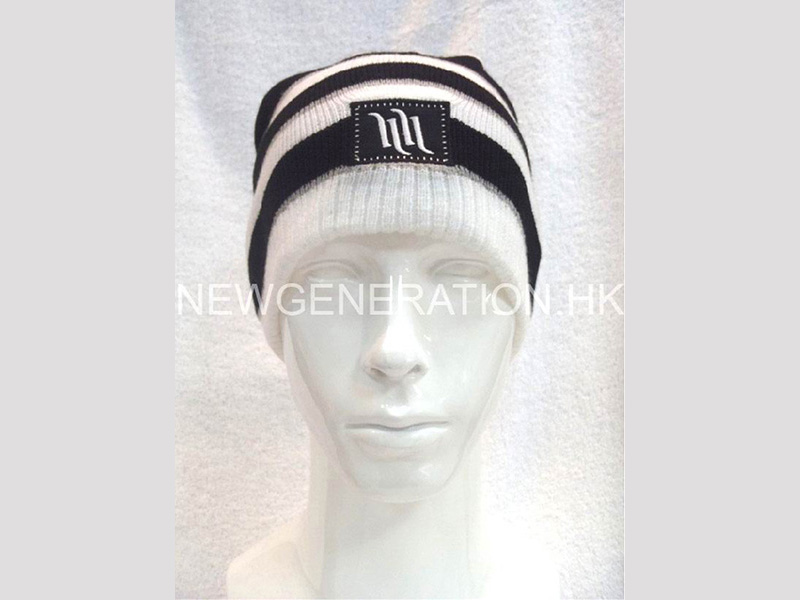
Why offshore hat sourcing keeps failing brands
One U.S. apparel brand lost $1.8 million when its fall hat line arrived six weeks late—stuck in customs after a 32-day ocean crossing. That wasn’t bad luck; it was the predictable outcome of relying on distant suppliers. Shipping from Asia takes 28 to 35 days at sea, plus 10+ days for port delays, customs, and inland delivery. By then, seasonal demand has already passed.
Offshore dependency creates a single point of failure. A strike at Long Beach, a typhoon in Shenzhen, or sudden tariff changes can halt shipments completely. According to a 2024 MIT Center for Transportation & Logistics study, 67% of delayed fashion shipments missed key promotional windows, directly cutting into margins. What looks like lower labor costs often vanishes under air freight surcharges, storage fees, and lost sales.
Each day of delay during Q4 costs some retailers 2.3% of projected revenue—more than any factory savings. The old equation no longer holds: cheaper labor doesn’t mean better margins when speed determines sell-through. Moving production closer to market means you can adjust quality on the fly, reorder fast, and sync deliveries with marketing launches. When an athleticwear brand shifted 40% of its headwear to Mexico, lead times dropped from 12 weeks to 18 days. Their Q4 sell-through jumped from 61% to 92%.
The real advantage isn’t unit cost—it’s timing. Delivering when customers are ready to buy beats waiting for cheap inventory that arrives too late.
How micro-factories are changing B2B production
Waiting 8–12 weeks for bulk cap orders is obsolete. Leading manufacturers now deliver in 2–3 weeks using nearshored micro-factories across Mexico and the Southern U.S. For time-sensitive campaigns, this shift isn’t just faster—it’s what separates success from shelf gaps.
The key? Vertically integrated micro-fulfillment hubs combining automated fabric cutting, digital work-in-process tracking, and regional distribution in one facility. These act as nodes in a distributed manufacturing network, letting producers scale output within days based on real purchase data—not forecasts. Compared to centralized Asian factories, proximity cuts transport legs by 60%, per UPS Supply Chain Insights’ 2024 analysis. Fewer legs mean fewer delays, lower fuel fees, and reliable delivery aligned with store floor readiness.
Automated workflows feed live data from order entry to shipment, enabling rapid response. One national chain launching a summer campaign used to commit to 50,000 units six months early. Now, they place staggered orders across four micro-hubs, adjusting colors and volumes weekly. Result: 40% less excess inventory and zero stockouts during the June launch window.
Speed builds loyalty. When buyers know they can react to trends without lag, they place more frequent, smaller runs. This increases vendor reliance and turns suppliers into strategic partners. Agility isn’t just operational—it’s the new competitive moat.
What faster turnarounds really do for your bottom line
When a national athleticwear brand cut its B2B cap lead times by 60% through U.S.-centric manufacturing, they didn’t just get hats faster—they saw reorder frequency triple. That’s the hidden ROI of speed: turning seasonal accessories into dynamic tools for campaign execution.
Shorter production cycles shrink safety stock needs by up to 25%, according to a 2024 apparel replenishment benchmark. That means millions less tied up in idle inventory and faster cash flow. But the bigger win comes upstream: agile replenishment lets production sync with real-time digital sales data. Manufacturers pivot in days, not months, supporting flash campaigns, influencer drops, or regional spikes.
Faster turns create ripple effects. Procurement gains predictability. Warehousing cuts handling costs by avoiding overstock surges. Distribution shifts toward just-in-time models. One retailer struggling with Q4 stockouts saw their OTIF (on-time in-full) rate jump from 74% to 92% post-transition—directly improving retail scorecards and shelf availability.
The next edge isn’t just speed—it’s partner readiness. True agility requires three things: proximity to major logistics corridors, seamless tech integration for data sharing, and proven scalability during peaks. Brands that master this triad don’t just move faster—they set the market clock.
#cap manufacturers china, #headwear manufacturers china, #hat tech pack