
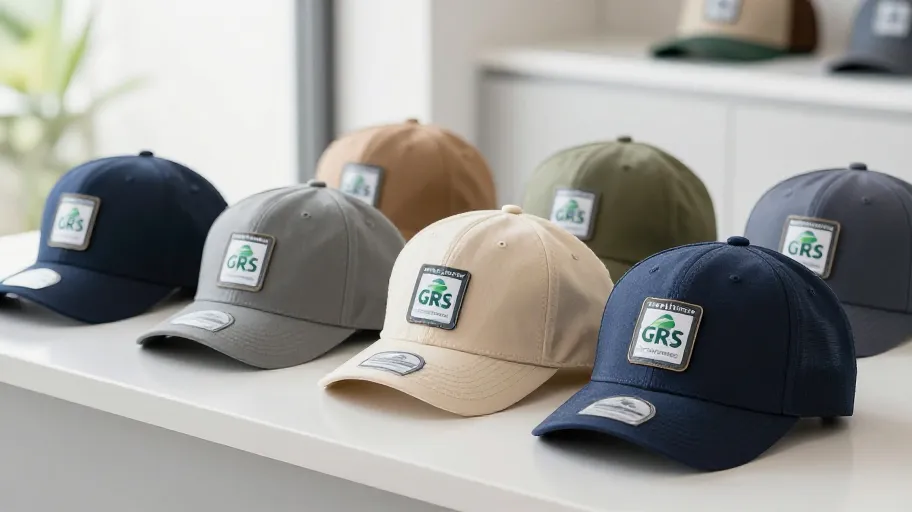
More brands are going green—but only GRS-certified cap makers can prove it. We break down how real traceability drives speed, trust, and ROI in today’s market.
Why transparency is now a profit driver for cap brands
When a major U.S. apparel retailer labeled caps made with undisclosed virgin polyester as ‘eco-friendly,’ the fallout wasn’t just bad PR—it triggered a 17% drop in brand sentiment and forced a full supplier overhaul. That’s not an outlier. A 2024 Textile Exchange report found 68% of consumers now verify sourcing claims before buying, making transparency a direct revenue lever.
For baseball cap brands, where materials cross six or more countries before reaching shelves, opacity equals risk: lost partnerships, regulatory fines, and irreversible brand damage. The solution? Third-party validation that holds up under scrutiny. GRS certification means your supply chain can be audited at any point because every material transfer is documented and verified by Control Union. That level of proof doesn’t just prevent backlash—it builds customer loyalty. McKinsey’s 2025 analysis shows GRS-labeled products see up to 23% higher repeat purchase rates because buyers trust what they’re wearing.
And it’s not just about defense. One Midwest headwear brand integrated blockchain-backed batch tracking alongside GRS compliance and cut material verification time by 40%. They used those gains to enter EU markets ahead of EPR deadlines—proving that when transparency is systematized, it becomes a growth engine.
How GRS builds unbreakable material traceability
If even a trace of virgin polyester shows up in a dye house batch, GRS rules require the entire line to be quarantined. That strictness isn’t bureaucracy—it’s what makes the standard trustworthy. For brands facing import blocks under EU ESPR or California SB 244, this control isn’t optional; it’s the cost of doing business.
GRS enforces chain-of-custody from recycled feedstock to finished cap, verified at every handoff using ISO 17065-aligned audits. In one case, a manufacturer traced rPET yarn back to a bottle collection center in Taiwan—delivering proof within 48 hours when a top-tier retailer demanded documentation ahead of new Digital Product Passport rules.
The backbone of this system is Mass Balance Accounting. It tracks input volumes against output allocations mathematically, so you don’t need physical segregation. When 800 kg of certified recycled polyester enters a facility and 780 kg of fabric is produced, the system certifies that output as compliant—generating audit-ready records that let your team pre-qualify with sustainability-focused distributors.
This rigor translates directly to commercial speed. Brands using GRS traceability report 40% faster onboarding with EU partners preparing for DPP mandates. Compliance readiness isn’t a cost center—it’s a revenue accelerator.
The real ROI of working with certified cap producers
Partnering with GRS-certified manufacturers means launching sustainable collections 30–40% faster, because you skip redundant audits and paperwork. For seasonal brands, that’s the difference between leading the trend and missing the window entirely.
Take a national golf apparel brand preparing a spring launch. Normally, they’d spend six weeks validating suppliers and compiling compliance files. But their GRS-certified cap maker already had chain-of-custody records on file—cutting approval time by over 45 business days. That early access secured prime shelf space while competitors were still gathering evidence.
It’s not just speed. Textile Exchange’s 2023 benchmark found brands using pre-verified GRS suppliers save up to 25% on compliance costs—money redirected into design and marketing. That efficiency comes from having a trust layer built into sourcing, which slashes administrative overhead and eliminates guesswork.
Beyond cost and speed, GRS enables circular design at scale. Because materials are compositionally transparent, brands can design caps for disassembly and recyclability. One outdoor brand found GRS-aligned products had 18% lower end-of-life processing costs due to easier sorting and higher reprocessing yields.
The result is a product cycle where sustainability fuels profitability. Speed, cost control, and circular readiness aren’t trade-offs—they’re outcomes of smart supplier selection.
What to look for in a truly capable GRS partner
GRS certification is the entry ticket—but not all certified manufacturers deliver the same value. Some treat it as a checkbox; others use it as a foundation for operational excellence. The difference shows in responsiveness, data accessibility, and willingness to co-develop.
A strong partner doesn’t just hand over a certificate—they provide real-time access to batch records, support digital product passport integration, and collaborate on material innovation. We’ve seen brands reduce development cycles by 30% simply because their cap maker could quickly validate new blends within the GRS framework.
Ask potential suppliers: Can you share a full chain-of-custody trail for a recent order? How do you handle contamination events? Do you support mass balance reporting for our internal carbon accounting? Their answers will reveal whether they see compliance as burden or advantage.
Because in the end, the best GRS partners don’t just meet standards—they help you exceed customer expectations and outpace competitors who are still chasing proof.
#cap manufacturers china, #headwear manufacturers china, #hat tech pack