


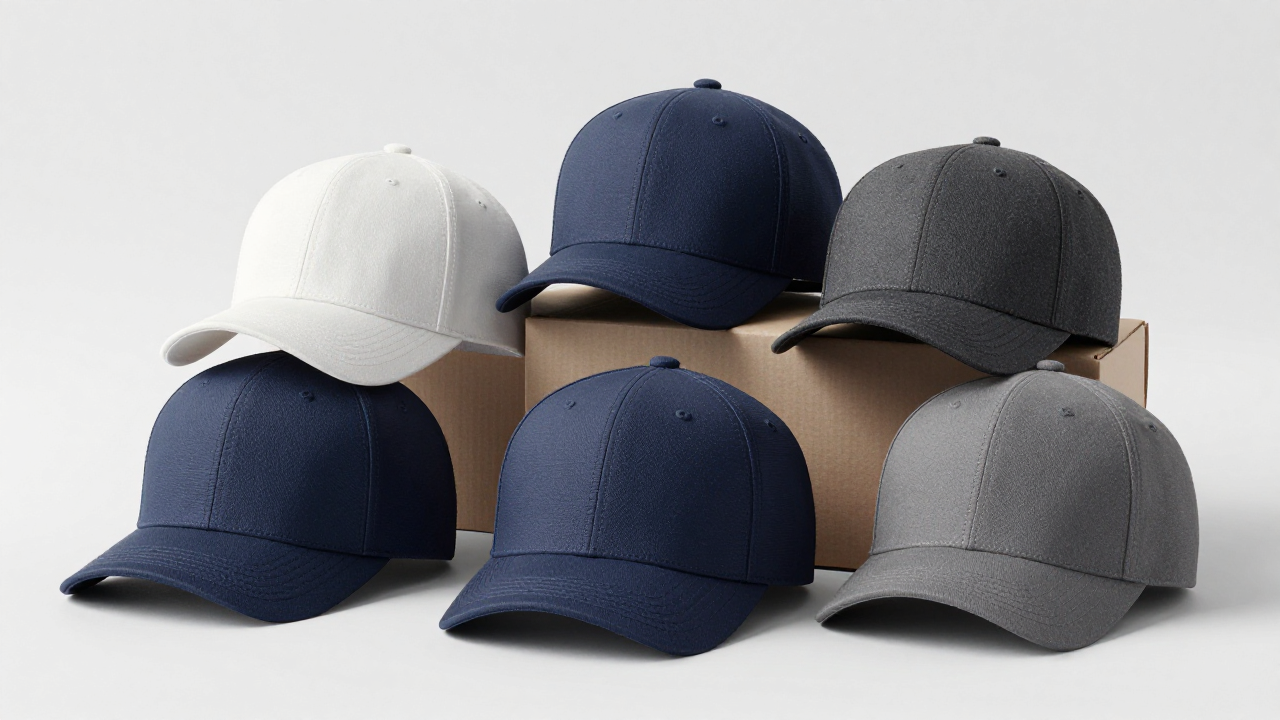
In the competitive world of fashion and branding, choosing the right cap factory can make or break your business.…
A weak supplier shows up as loose threads, misaligned logos, late shipments, and customer returns. A strong one gives you repeat orders, cleaner product pages, and a hat people want to put on every morning. Over the last 17 years, we've learned that most brand failures in headwear happen before the first stitch, because the factory evaluation was rushed.
What Separates a Cap Factory That Builds Brands From One That Just Sews?
Quality hits your reputation before your sales pitch does. A hat is small, so construction errors become obvious fast: an off-center embroidery, a buckram front panel that wrinkles after two wears, a sweatband that twists. Ecommerce makes it worse. One customer photo can undo a season of brand building.
The details that matter are unglamorous. Cotton twill should weigh about 8–9 oz per square yard for a structured six-panel cap. Stitch density should sit near 8–10 stitches per inch on high-stress seams. The front panel needs a stable buckram backing and, ideally, seam tape at the crown. Without those reinforcements, the cap breaks down after a few washes. We also specify the sweatband material by use case: cotton tape for casual dad hats, moisture-wicking polyester for performance or golf styles.
In March 2024, a Denver-based beverage brand sent us a competitor's cap that looked crisp on Instagram but split at the front seam after six hand washes. The fabric wasn't the issue. The factory had skipped seam tape and dropped to 7 stitches per inch. That's a manufacturing decision, not bad luck. At New Generation, our cut-and-sew lines outside Shanghai have produced caps since 2008, and every finished order goes through AQL 2.5 inspection for major defects and 4.0 for minor. Our client return rate sits below 2%, while 3–5% is the range we hear from brands switching away from low-cost suppliers.
How Much Customization Actually Moves the Needle in 2026?
A blank cap is forgettable. A customized cap is inventory that markets itself. We see this in breweries, coffee roasters, gyms, law firms, and streetwear labels. The shift in 2025 and 2026 is toward dimension and texture—buyers don't just want a logo printed on the front; they want raised embroidery, woven patches, and trims that feel intentional. Custom embroidery production has become a core differentiator for brands that want to avoid competing on price alone.
The right method depends on logo, run size, and budget.
For best results, send vector files—Adobe Illustrator or SVG—not a blurry JPEG. If you only have a JPEG, digitizing usually adds $35–$60 per design and a day or two of setup. Keep thread colors manageable; going past six colors on a cap front raises stitch count and per-unit cost. In March 2023, a Nashville hot sauce brand ordered 300 caps with 3D puff embroidery. They sold out over two weekends at farmers markets, mostly because the raised logo photographed well on short-form video. That's what customization buys you: content that works harder than the hat itself.
Where Do Headwear Supply Chains Usually Break?
The weakest point is often not the sewing line. It's the gap between factory floor and customer's door. Ocean freight, customs clearance, and last-mile delivery create more failures than a loose seam. Headwear sits at the mercy of the broader apparel supply chain, and small brands feel every delay.
July 2021 still gets brought up in our office. At 3 a.m., Jason from Portland, Oregon, sent a WhatsApp message: 12,000 summer trucker hats were stuck outside Long Beach port. He needed at least 5,000 units for a retail event in ten days. We split the shipment—2,000 hats went air freight to LAX, and the rest were rerouted through Oakland. He had enough inventory to cover the event and avoided a chargeback from his largest wholesale account. Honestly, that fix wasn't cheap or permanent, but it kept his account alive.
That situation isn't rare. Shanghai to LA ocean freight typically takes 18–24 days, plus 2–5 days for customs and drayage. Air freight lands in 5–7 days but costs roughly four times as much. You need a plan before the delay hits. Since September 2022, we've kept 4,000 blank caps at a 3PL in Ontario, California. West Coast reorders that used to take 18 days now ship in about 5. For brands with steady volume, that buffer stock matters more than a cheaper unit price.
Which Red Flags Should Eliminate a Cap Factory Before You Sign?
Most bad supplier relationships give warning signs early. Buyers ignore them because they want a low price.
Red flags: no pre-production sample, no video call with the actual production floor, vague MOQ language, no compliance documentation, and no QC checklist. A US-facing supplier should know when you need CPSIA tracking labels for youth caps or 16 CFR Part 1610 flammability testing for general textile headwear. California Prop 65 labeling comes up with some trims and dyes. If a factory can't speak to those, they're probably not built for US distribution.
In January 2025, an Austin startup wired $8,400 to a manufacturer they found on a marketplace. No sample, no video call, no physical address beyond a Shenzhen P.O. box. The factory went silent for three weeks, then blamed "Chinese New Year logistics." They eventually got partial inventory, but late enough to miss a SXSW promo window. That's a hard lesson: if you can't verify the cut-and-sew facility exists, don't send money.
Before signing, request a line sheet of blank styles, a pre-production sample with your actual logo, and photos of the stitching from inside the crown. If a factory hesitates on those, keep looking.
What Should You Actually Pay a Cap Factory in 2026?
Pricing in headwear manufacturing confuses a lot of brands because the first quote rarely reflects landed cost. A basic six-panel cotton twill cap from a mid-sized factory often runs $2.20–$3.50 FOB depending on order size and trims. Flat embroidery adds roughly $0.80–$1.50 per cap based on stitch count. 3D puff embroidery can add $1.20–$2.00. Woven patches usually add $1.50–$2.50, but they give a heritage look that can justify a higher retail price.
Freight, duty, and drayage then add another layer. At sea freight scale, expect about $0.35–$0.60 per cap for shipping into a West Coast port. If you're not calculating that, your margin assumptions are fiction.
In February 2025, a Los Angeles streetwear label compared two quotes: $1.95 FOB without QC and $2.60 FOB with AQL inspection and seam tape. They chose the second. Their first drop of 1,200 caps had a return rate under 1.5%. That pricing difference paid for itself in avoided refunds and customer service tickets.
What Content Marketing Works Once You Have the Right Cap Factory Behind You?
A reliable cap factory gives you content assets, not just boxes. Production footage works because people trust seeing the product being made. A 22-second clip of an embroidery machine running a logo can outperform a polished product photo.
In November 2024, a Chicago coffee roaster posted one of our floor clips—six-panel cap getting flat embroidery—and saw DMs triple. The reel got 22,000 views and 183 saves. It wasn't a viral hit, but it brought in wholesale inquiries from two regional bottle shops. That's the kind of practical return most brands should expect.
We send clients short cut-and-sew clips, close-up shots of thread tension and seam finishing, and finished product photos on a white background. From there, the brand can run influencer seeding, UGC campaigns, or paid social. The key is having a factory that doesn't disappear after the purchase order. If they can't show you the line running your product, you lose the story your content needs.








