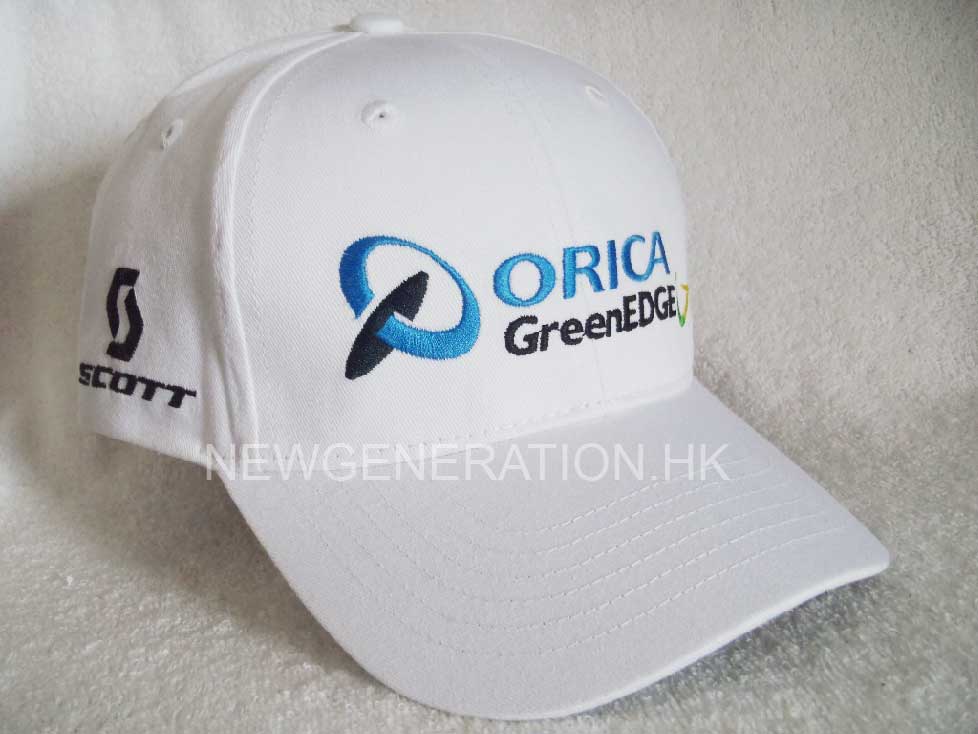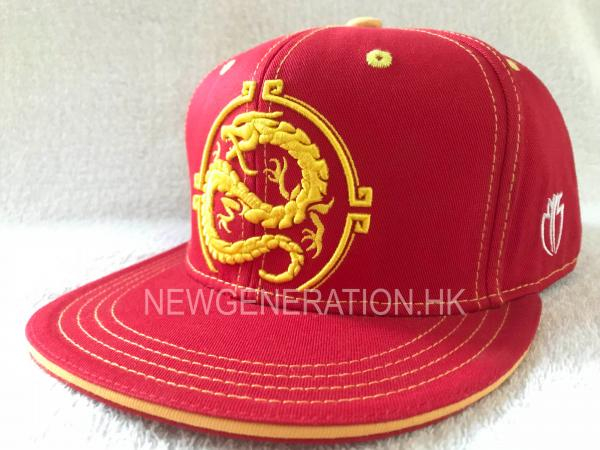


Most brands spend weeks arguing over a logo palette and roughly 45 minutes vetting the cap factory that will actually sew the product.…
I’ve been on the production side since 2008, moving orders through our own cut-and-sew lines at New Generation in Ningbo. In that time I’ve watched the same pattern repeat across every US buying cycle: someone in Chicago or Dallas finds a quote that’s 18 percent cheaper, switches factories, and four months later calls us to fix puckered front panels or seam blowouts. Choosing a cap factory in 2026 is not a pricing problem. It’s a construction, materials, and logistics problem.
The Factory Decision Most Brands Get Backwards
Your First Filter Is Construction, Not Price
Before you request a single quote, lock your construction spec. Structured caps need fused buckram, 0.8 mm to 1.2 mm depending on crown height. Unstructured dad hats use 8.5–10 oz cotton twill or brushed cotton and need a different crown pattern. A factory that makes trucker caps beautifully may not have the right blocking for a 5-panel.
Run this volume path before you email a single supplier.
Under 500 units, don’t source a factory. Buy blank caps from SanMar or Alphabroder and use a local US embroidery shop. 500–3,000 units, a direct cut-and-sew facility will take the order, but custom dye lots can add 90–120 days. Over 3,000 units, look for a headwear manufacturer with in-house embroidery, multi-head machines, and a documented pre-production sample process.
Honestly, the volume path isn’t perfect. If you want 200 units of a fully custom structured cap with a custom weave, you’re going to pay $13–$16 per unit landed, and some factories will still take the order. That’s fine if you know the math going in.
The Capability Table That Saves You a Site Visit
This table exists because I’ve seen brands approve a photo sample from one factory, then receive production units from a completely different production line. In March 2019, a brand in Denver ordered 8,000 unstructured caps where the front panels were cut from two different cotton twill lots. The crown matched on the sample and diverged after washing. That became a 47 percent return rate on their Shopify store. The fix was not a better photo. It was lot-level fabric inspection before cutting.
Quality Control Runs on Specs, Not Vibes
In headwear, quality has to be measurable. Stitch count, seam allowance, stitch density, color fastness. If a factory can’t produce a QC checklist before production, walk.
For a structured cap front, we hold shell seams to 8–10 stitches per inch and topstitching to 10–12 stitches per inch. Embroidery on a 2.5-inch front design should fall between 6,000 and 9,000 stitches. Above 12,000 stitches on an unstructured crown, the panel will pucker unless the backing is specified correctly. A factory with only two single-head embroidery machines will also choke on 5,000 caps with 9,000-stitch front logos.
Set your AQL before production, not after. I tell US buyers to set AQL 1.5 for critical defects—seam holes, misaligned eyelets, broken snaps—and 4.0 for minor visual defects. Any cap factory that resists AQL terms is telling you something about its final inspection process.
Labor, Materials, and the Questions Nobody Asks
US brands in 2026 can’t ignore compliance. Customs and Border Protection has raised scrutiny on apparel supply chains, especially around cotton origin. Ask where the cotton is spun. If the answer is “no idea,” treat that as a red flag. Ask for BSCI, SMETA, or WRAP audit documentation. Our Ningbo facility holds BSCI, but the real tell is whether a factory lets you do a live video walkthrough of the cutting room and embroidery floor.
Custom colors deserve more attention than they usually get. A 500-unit MOQ on a custom dyed cotton twill is common, but ask about Pantone matching. We aim for a Delta E below 1.5 on production lots. For simple one-color logos on cotton twill, screen printing is cheaper and more durable than heat transfer. For 4-color process on polyester mesh, embroidery appliqué or heat transfer usually wins. A factory that only pushes embroidery may not have a reliable screen-print partner.
Shipping, Tariffs, and the West Coast Reality
In July 2021, Jason from Portland, Oregon called at 3 a.m. because 12,000 trucker caps were sitting off Long Beach and his summer drop was already two weeks late. We rerouted 4 pallets to Seattle, then trucked them to an Indianapolis 3PL. He paid about $2,800 more in freight and saved the season. The lesson was not “Long Beach is bad.” It was that he had no port fallback on a seasonal product.
In 2026, an ocean shipment from Ningbo to Long Beach runs 16–22 days port-to-port, but add 5–10 days of port dwell and rail. East Coast routes run 30–38 days. If your brand sells in the Midwest, routing through Norfolk or Savannah can beat LA by 4 days when the West Coast backs up. On freight cost, 1,500 units is still LCL territory, and consolidation fees can add $1.80–$3.20 per cap. At 3,000 units, a full container usually starts to win on unit economics.
Where ‘Cap Factory’ Searches Actually Start in 2026
Most US buyers start on Google with something like “custom cap factory low MOQ” or “blank hats wholesale for embroidery.” In 2026, Google’s algorithm reads semantic context, not just exact-match keywords. If you run a brand site, product pages should include your construction specs, minimums, lead times, and QC standards. Use the terms buyers actually type: headwear manufacturer, cut-and-sew facility, custom embroidery production, blank hat supplier. A practical buying guide like this one is also what your own site needs. It beats a homepage stuffed with “cheap cap factory China.”
Backlinks from relevant directories and supplier networks can help, but don’t buy 40 exact-match anchor text links from a Fiverr package. That will hurt a US site in 2026 far more than it helps.
The Shortlist of Mistakes That Still Cost Real Money
Even a good buying process won’t save a bad design. But if your 2026 plan is to build a repeatable headwear program—not just a single drop—treat factory selection like a supply chain investment, not a price check. Start with construction, define specs in writing, and push for transparency on materials and labor. The best cap factory for your brand is the one that can explain exactly how it will make your cap, line by line.