Evaluating a cosmetic cap factory in China for a private-label project means replacing claims with evidence: verified production capability, a documented sampling process, written quality controls, confirmable terms and accountable rework arrangements. The CAP-VERIFY framework gives overseas brands, importers and corporate buyers a repeatable sequence to compare shortlisted factories before any commitment is made.
What "evaluation" means for a private-label cap project
A private-label project succeeds or fails long before goods ship. It fails when a buyer approves a factory on the strength of a catalogue, a chat thread and a price, without documenting what that factory will actually be held to. Evaluation, done properly, is the process of converting every supplier statement into a written, checkable commitment: who makes the sample, who inspects the run, what happens when a defect is found, and what evidence you will hold if a dispute arises.
Because no factory's MOQ, pricing, sampling policy, lead time, capacity or certification status can be asserted here, every one of those items becomes a question you put to the supplier in writing and record in your comparison file.
The CAP-VERIFY framework
Work through these seven lenses in order. A factory that fails an early lens saves you time on the later ones.
C — Capacity and scope. Ask what the factory produces in-house versus subcontracted, which decoration methods (embroidery, printing, patch, laser) are done on-site, and how they evidence this. Request a walkthrough video call of the areas relevant to your product, not a generic showroom tour.
A — Artwork-to-sample process. Ask how tech packs are reviewed, who signs off on color matching, and how revisions are documented. Ask directly: what is your current sample policy, what does sampling cost, who pays shipping, and under what conditions are fees credited — and require the answer in writing.
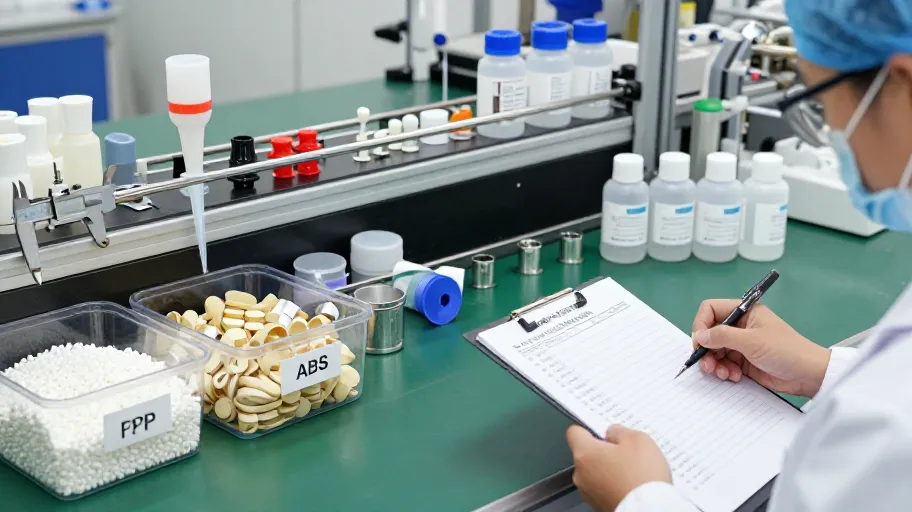
P — Production controls. Ask where inspection gates sit in the run: incoming materials, in-line, and final random inspection. Ask whether you or your appointed third party can inspect before shipment, and how findings are documented.
V — Verification of claims. Every certification, audit report or client reference a supplier mentions should be requestable as a document you can independently check. If a claim cannot be evidenced, record it as unverified in your file.
E — Evidence trail. Agree that spec sheet, approved sample reference, inspection reports and packing requirements all become annexes to the purchase contract. Verbal confirmations do not survive a dispute.
R — Risk and terms. Confirm in writing: current MOQ, payment structure, tooling or digitizing ownership, IP and design protection, and what happens to unused materials. Do not rely on quoted figures from another buyer or another season.
I — Insurance of accountability. Ask how defects discovered after delivery are raised, evidenced and remedied, and who decides the remedy. A supplier that resists writing this down has answered a different question for you.
F — Final yield and rework. Define how acceptable quality is measured at final inspection and what remedy applies — rework, replacement or credit — and how that decision is documented.
Decision table: comparing shortlisted factories
Score each factory 0–2 per row: 0 = refused or undocumented, 1 = partial, 2 = documented and confirmable.
| CAP-VERIFY lens | What to request | Factory A | Factory B | Factory C |
|---|---|---|---|---|
| Capacity & scope | In-house process list + live walkthrough of relevant lines | |||
| Sampling process | Written sample policy incl. current cost and shipping terms | |||
| Production controls | Inspection-gate description + sample inspection report format | |||
| Verification | Copies of any certifications/audits claimed, independently checkable | |||
| Evidence trail | Willingness to annex specs, approved sample and reports to contract | |||
| Risk & terms | Written MOQ, payment and IP terms; current lead time stated in writing | |||
| Accountability | Documented defect-remedy procedure | |||
| Total /14 |
A score below 10, or any zero on verification, accountability or evidence trail, is a reason to pause and ask more questions rather than proceed.
Approval questions to put in writing
- What is your current MOQ for this construction, and how does it vary by decoration method?
- What is your current sampling cost, turnaround and shipping arrangement, and under what conditions is the fee credited toward production?
- Which production stages are in-house and which are subcontracted?
- Can a third-party inspector access the facility during and after production, and what notice is required?
- Provide copies of any certification or audit you reference in our discussions.
- How are defects found at final inspection or after delivery documented, and what remedies are on the table?
- Who owns embroidery digitizing files, molds and tooling once paid for?
- What is your current production lead time for this order profile, confirmed in writing against order date?
If answers arrive only by voice call, summarise them back by email and ask the supplier to confirm — the confirmation itself becomes part of your evidence trail.
Pre-commitment checklist
- All eight approval questions answered in writing
- Approved physical sample retained and referenced by number in the contract
- Tech pack with materials, construction and color references signed by both sides
- Inspection gates and third-party access agreed
- Any claimed certification documented and independently checked
- MOQ, pricing basis, payment milestones and lead time stated in the contract
- IP, tooling ownership and unused-material terms agreed
- Defect-remedy procedure written into the agreement
- Decision table completed for every shortlisted factory
FAQ
Can I rely on a factory's certifications without checking them? No. Ask for the certificate number and issuing body, then verify with the issuer. A supplier that resists sharing document details has told you something important about how they handle evidence.
How many samples should I approve before bulk production? That is a project-specific decision to confirm with the supplier, but at minimum you want a pre-production sample that both parties sign and reference in the contract, plus agreement on what happens if bulk deviates from it.
Should I visit the factory in person? If the order value justifies it, yes. If not, a scheduled video walkthrough of the lines producing your product, plus a third-party inspection, gives you documented coverage. Confirm current inspection access terms with the supplier in writing.
What is the single most predictive question to ask? Ask how a past defect claim was handled and evidenced. Suppliers with a real, documented answer — not a vague assurance — are showing you how you will be treated when something goes wrong.
How do I compare two factories with similar pricing? Compare documentation, not price. Run the CAP-VERIFY decision table on both; the factory that answers more questions in writing and accepts contract annexes is the safer partner at any price.
Download the Supplier Scorecard
Run every shortlisted cosmetic cap factory in China through the same documented comparison. Download the Supplier Scorecard and turn supplier claims into verifiable evidence before you commit to production.
Prefer to start smaller? Use the eight approval questions above as your first-round screening checklist — send them to each factory today and compare who answers in writing.
#cap manufacturers china, #headwear manufacturers china, #cap factory