
Planning a custom headwear run for a new brand involves managing risk without sacrificing product quality. To plan a custom hats low moq project effectively, you must replace volume-based assumptions with a specification-based strategy. By clearly defining your material requirements, decoration methods, and quality tolerances before contacting a supplier, you can negotiate flexibility without falling into the trap of guesswork.
Launching a new apparel line or a corporate merchandising campaign often starts with a limited budget. The traditional manufacturing model rewards volume, leaving new buyers in a difficult position: order too much and tie up cash flow, or order too little and face per-unit costs that erode margins. For overseas brands sourcing from Shenzhen or other manufacturing hubs, the solution is not to find a "cheap" factory, but to find a factory that understands how to optimize small runs through efficient setup and material sourcing.
The "Scope-to-Supply" Protocol
To avoid guessing, use the Scope-to-Supply Protocol. This framework shifts the conversation from "How many hats can I afford?" to "Exactly what do I need the hat to be?" When you provide a precise scope, a manufacturer can calculate the most efficient way to produce it, even at lower volumes.
Phase 1: Definition (The Specs)
Most delays in low-MOQ projects come from vague specifications. You cannot simply ask for a "baseball cap." You must define the parameters that dictate the cost structure.
- Material Composition: Are you looking for standard cotton twill, performance polyester, or recycled blends? The availability of stock fabrics in China significantly impacts the minimum order. If you require a fabric that is not currently in stock, the mill may impose a minimum run on the fabric alone.
- Profile and Construction: 5-panel, 6-panel, or trucker? Structured or unstructured? The complexity of the sewing process affects labor time.
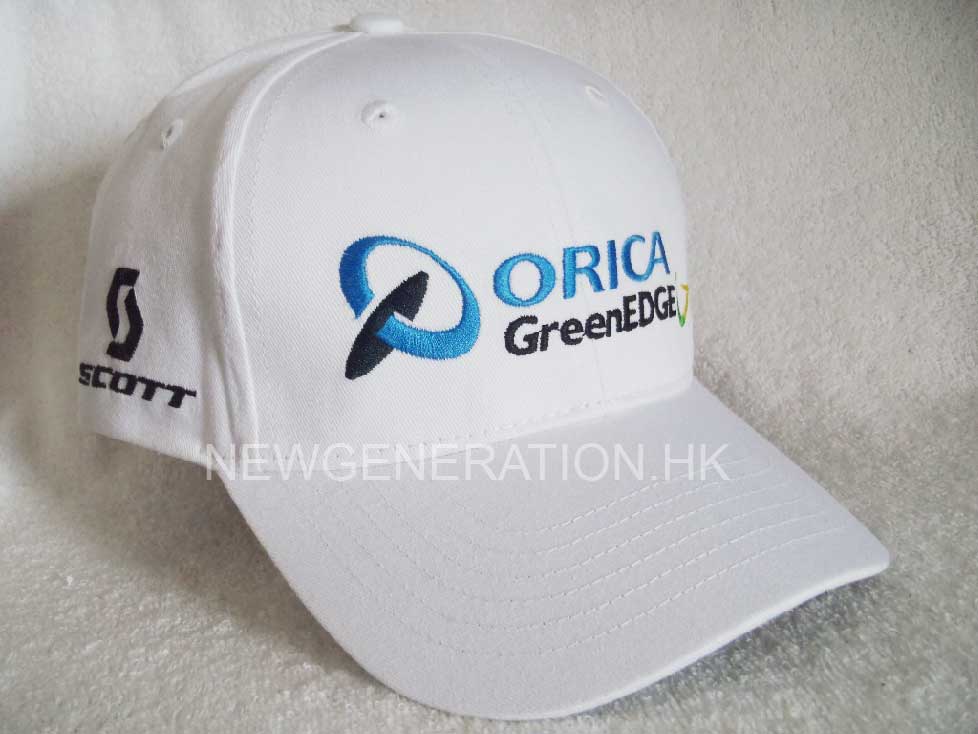
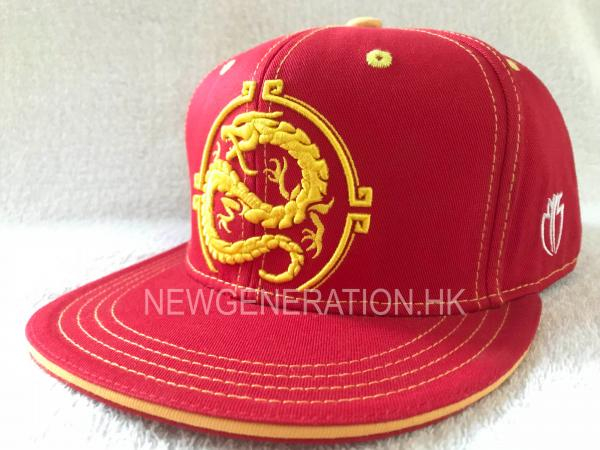
- Decoration Method: This is the critical lever for small batches. Embroidery is common but involves setup (digitizing). Screen printing requires screens (one per color). Sublimation or woven labels offer different cost dynamics. You must decide which method aligns with your logo complexity.
Phase 2: Verification (The Supplier’s Capability)
Not every OEM/ODM factory is structured to handle low-MOQ orders efficiently. Some are geared toward mass production where efficiency comes from repetition. Others, like New Generation, focus on agility. When planning your project, verify the supplier’s workflow:
- Sourcing Agility: Can they source trim (buckles, labels, tags) without requiring you to purchase thousands of each?
- In-House vs. Outsourced: Does the factory handle embroidery and sewing in-house? Outsourcing processes can add transit time and communication friction, which is risky for small, time-sensitive runs.
Phase 3: Validation (The Quality Gate)
In a low-MOQ project, every unit counts. A 10% defect rate in a 1,000-unit order is an annoyance; in a 100-unit order, it is a crisis. Your plan must include a pre-production sample (PPS) phase. Do not move to bulk production until you have physically approved a sample that matches your specifications.
Decision Table: Customization Variables
When planning your project, use the table below to understand where you can trade complexity for flexibility. Discuss these trade-offs with your supplier.
| Variable | High Customization (Higher Impact on MOQ) | Standardized / Stock (Lower Impact on MOQ) |
|---|---|---|
| Fabric | Custom woven fabric, unique dye colors. | Factory stock colors (e.g., Black, Navy, White). |
| Closure | Custom molded rubber or metal buckles. | Standard plastic snapback or D-ring. |
| Labels | Woven main label, specific hangtags. | Generic heat transfer or standard stock labels. |
| Packaging | Custom polybags with individual printing. | Standard bulk polybag packaging. |
Strategic Questions for Supplier Approval
To remove the guesswork, you need answers. Do not assume a "low MOQ" listing includes everything you need. Add these questions to your RFP (Request for Proposal) or email inquiry:
- Fabric Availability: "Do you have the required fabric weight and color in stock, or will this require a mill run? If a mill run is needed, what is the minimum meterage?"
- Setup Costs: "Are there separate fees for mold making, embroidery digitizing, or screen setup? Are these waived if I reach a specific volume tier?"
- Sampling Protocol: "Is the cost of the pre-production sample credited back to the bulk order? How many rounds of sample corrections are included in your standard pricing?"
- Quality Tolerance: "What is your AQL (Acceptance Quality Limit) for this order size, and what is the specific remediation process if the bulk shipment does not meet the approved sample standard?"
By asking these questions, you move from a passive buyer to an active project manager. You are no longer hoping for a good result; you are verifying the conditions for one.
FAQs on Planning Low-MOQ Headwear
Does low MOQ mean lower quality? Not necessarily. Quality is determined by the materials and workmanship standards, not the quantity. However, sourcing specific raw materials in small amounts can sometimes be challenging, requiring closer communication with the supplier to find equivalent stock alternatives.
How should I prepare my artwork? To avoid additional setup fees and delays, provide your artwork in vector format (AI, PDF, or EPS). Ensure the Pantone (PMS) color codes are specified. This precision allows the factory to match your branding without multiple rounds of physical proofing.
What is the biggest risk with small orders? The biggest risk is the "unit cost shock." Smaller orders have less economy of scale. You must verify if the quoted price includes all peripherals (labels, packaging) to ensure your retail price or budget remains viable.
Can I mix styles in one order? This depends on the supplier's flexibility. Some factories allow "assortment" where different colors or simple style variations are combined to meet a production minimum, but complex changes usually require separate runs.
Conclusion
Planning a custom hats low moq project successfully requires a shift in mindset from quantity to clarity. By defining your scope, verifying your supplier's agility, and establishing strict quality gates, you can launch your headwear line with confidence. Do not let the lack of volume lead to a lack of control.
Ready to move beyond planning? Secure your supply chain by defining your requirements clearly.
[CTA: Get a Sourcing Brief] – Fill out our detailed inquiry form to start your custom hat project with precision.
[CTA: Download the Low-MOQ Project Checklist] – Ensure you haven't missed any critical steps before production.