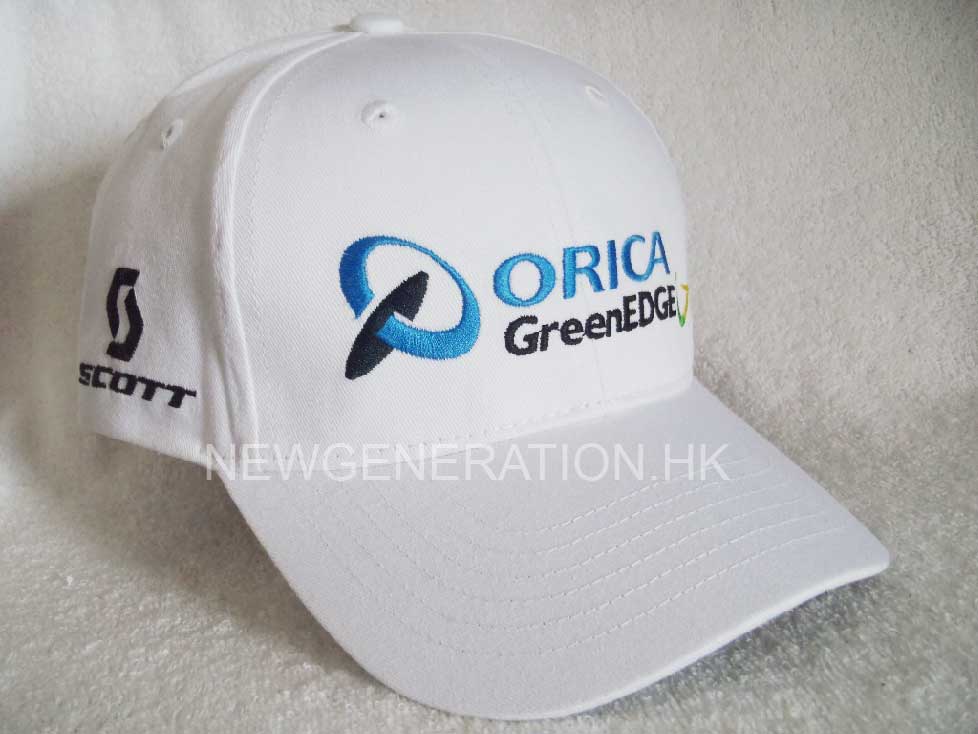
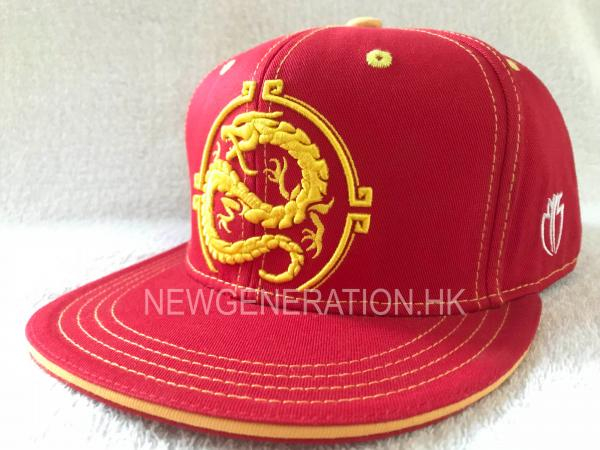
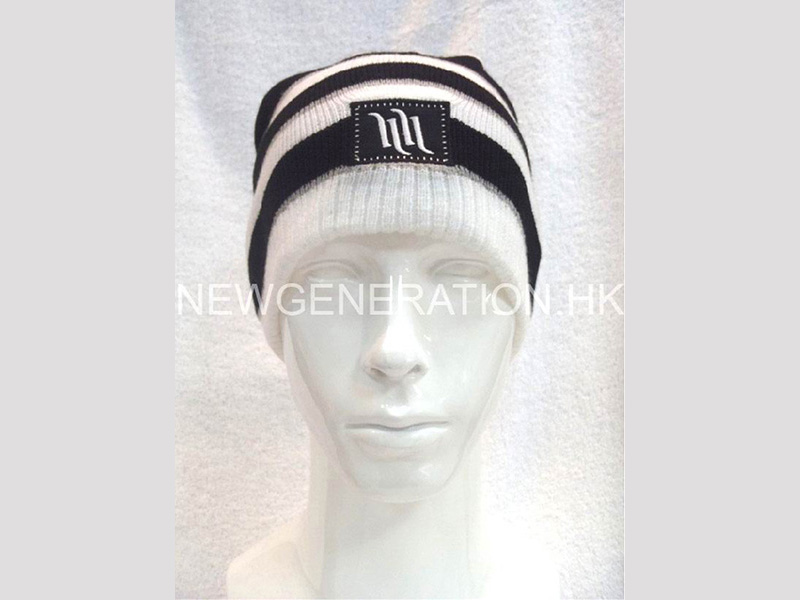
Private label hat development moves through four approval gates — artwork translation, spec lock, pre-production sample, and bulk approval — each designed to catch errors before they multiply in production. Choosing a private label hats manufacturer means evaluating how cleanly that factory moves your design through those gates, and how much documented evidence you receive at each step.
The A2B Four-Gate Approval Path
Most private label hat programmes do not fail at the factory. They fail in the silence between approvals — when a brand assumes something was locked and the manufacturer assumed it was still flexible. The A2B (Artwork-to-Bulk) path names four gates so that nothing travels forward without a recorded yes.
Gate 1 — Artwork translation. A flat logo file is not yet a hat. Embroidery needs digitising that accounts for stitch direction and panel curvature. Woven labels need a different file than screen prints. At this gate you approve the interpretation of your artwork, not the artwork itself. Confirm stitch type, thread palette mapping, placement coordinates, and maximum embroidery size that the panel can hold without puckering.
Gate 2 — Spec lock. This is where the hat becomes a measurable object. The tech pack records crown construction (5-panel vs 6-panel vs 7-panel), visor shape, closure type, sweatband material, and size range. Lock the billboarding — the visible space where your logo sits — and the seam allowance that affects it. A spec that is not written down is a spec that can drift.
Gate 3 — Pre-production sample (PPS). The PPS is the physical contract. It is the last object you approve before bulk cutting. Photograph it against your colour reference, weigh it, measure it, and keep it. If bulk does not match the retained PPS, you have grounds to pause; if it matches, you approve.
Gate 4 — Bulk approval. Before full production runs, a top-of-production sample or small batch pull confirms that the line is set up to match the PPS. This gate is about repeatability — can the factory hold the spec across the run, not just on one hero sample.
Decision table: choosing a development path
| Development path | When it fits | What you approve | Where drift usually hides | What to document |
|---|---|---|---|---|
| Stock blank + decoration | You need speed and the design is logo-led, not construction-led. | Logo placement, thread/print colour, blank model. | Blank colour vs Pantone; decoration scale on curve. | Blank SKU, colour code, decoration file version. |
| Modified stock construction | A stock base is close but the closure, sweatband, or labelling must change. | Modified components, label artwork, placement. | Component substitution between sample and bulk. | Component spec sheet, approved substitute list. |
| Full cut-and-sew custom | The silhouette, panels, or materials are unique to your brand. | Pattern, material swatches, construction stitching, sizing. | Pattern grading across sizes; material dye lots. | Tech pack, swatch card, graded size set. |
| Private label rebrand of an existing shape | You want exclusivity on decoration and packaging, not on shape. | Woven/printed labels, hangtag, packaging, artwork. | Label attachment method; packaging fit. | Label artwork, packaging dieline, attachment spec. |
This table is manufacturer-agnostic. It works whether you are comparing New Generation or any other private label hats manufacturer, because it asks what you must approve — not what the factory claims to deliver.
Approval questions to use at each gate
Use these as a sign-off script. If a manufacturer cannot answer them in writing, that itself is information.
Artwork translation
- Which file format do you need for decoration, and what resolution?
- How will the logo be digitised, and can I review the stitch file before it runs?
- What is the maximum embroidery size this panel holds without distortion?
- Which thread or ink system will you use to match my colour reference?
Spec lock
- What construction (panel count, visor, closure) does the tech pack commit to?
- What material and weight are specified for the crown, sweatband, and closure?
- What is the size range and grading rule?
- Which details are still open vs locked?
Pre-production sample
- Does this PPS reflect the locked spec, including all labels and packaging?
- Can I retain this sample as the bulk reference?
- What is the tolerance for measurement and colour against the PPS?
- If bulk deviates, what is the correction path before full run?
Bulk approval
- Is the top-of-production pull drawn from the actual run, not a separate sample?
- Does it match the retained PPS across colour, weight, construction, and labels?
- What inspection level and acceptable quality threshold apply to the run?
- What documentation accompanies the shipment for customs and compliance?
How to compare a private label hats manufacturer on evidence
When brands compare manufacturers, they often compare price first and process second. For private label work, invert that order. A manufacturer whose process produces clean approvals is cheaper in total landed cost than one whose low unit price hides rework, delays, or a bulk run you cannot approve with confidence.
Look for three kinds of evidence:
Documentation evidence. Does the manufacturer issue a tech pack you can read and correct, a PPS you can retain, and a sign-off record at each gate? A factory that only emails "sample looks good, please confirm" is not giving you evidence.
Material evidence. Ask for a swatch card, a colour reference, and a material specification before locking the spec. Material substitution is the most common source of drift between sample and bulk — and the hardest to prove after the fact if you did not retain a swatch.
Repeatability evidence. Ask how the manufacturer holds a spec across a run. Inspection level, in-line checks, and a top-of-production pull are process signals. Verify what is actually done, not what is promised.
None of the above requires the manufacturer to be the largest, the fastest, or the cheapest. It requires them to be documented. That is the comparison that protects your label.
Pre-production approval checklist
Use this as a gate-by-gate record before you sign off on bulk. It is deliberately short so it actually gets used.
| Checklist item | |
|---|---|
| ☐ | Artwork file version and decoration method confirmed in writing. |
| ☐ | Digitised stitch file (or print file) reviewed and approved. |
| ☐ | Tech pack issued with construction, materials, sizing, and closure specified. |
| ☐ | Open items list closed — no "to be confirmed" remaining in the spec. |
| ☐ | PPS received, photographed, measured, and retained as the bulk reference. |
| ☐ | Colour matched against an agreed reference (swatch or code), with tolerance noted. |
| ☐ | Labels, hangtags, and packaging approved on the PPS, not as a separate concept. |
| ☐ | Top-of-production pull approved before the full run proceeds. |
| ☐ | Shipment and compliance documents confirmed with the manufacturer. |
If you would like this checklist pre-filled into a structured development Brief that you can hand to any manufacturer — New Generation included — you can request it below.
FAQ
How do I brief a private label hats manufacturer before sending artwork? Send a brief that states the hat style you want, the decoration method, the colour reference, the target market (which affects sizing and labelling rules), and any compliance documents you will need at customs. The clearer the brief, the less the manufacturer has to assume — and assumptions are where drift begins.
What should a pre-production hat sample confirm? It should confirm construction, materials, colour, decoration, sizing, labels, and packaging in one physical object. If any element is still a concept rather than the real item, the sample is not yet a PPS. Retain it as the reference bulk must match.
How do I prevent colour and spec drift between sample and bulk? Lock the colour to an agreed reference — a Pantone code, a thread shade, or a physical swatch — and record the tolerance. Retain the PPS. Approve a top-of-production pull against it. Drift survives in silence; documented approvals at each gate are what suppress it.
What documents should I keep for customs and compliance? Keep the tech pack, the approved artwork files, the PPS sign-off, material and label specifications, and any origin or composition documents your destination market requires. Confirm with the manufacturer which compliance documents they will provide, and verify that the documents match the goods before the shipment leaves.
If you are planning a private label headwear line and want to move from artwork to bulk approval without drift, request the development Brief. It structures your artwork handover, spec lock, and sample approval so every gate is documented.
[Get the Development Brief]
And before your next sample round, download the Pre-Production Approval Checklist above — copy it, fill it, and keep it as your signed-off record at each gate.