
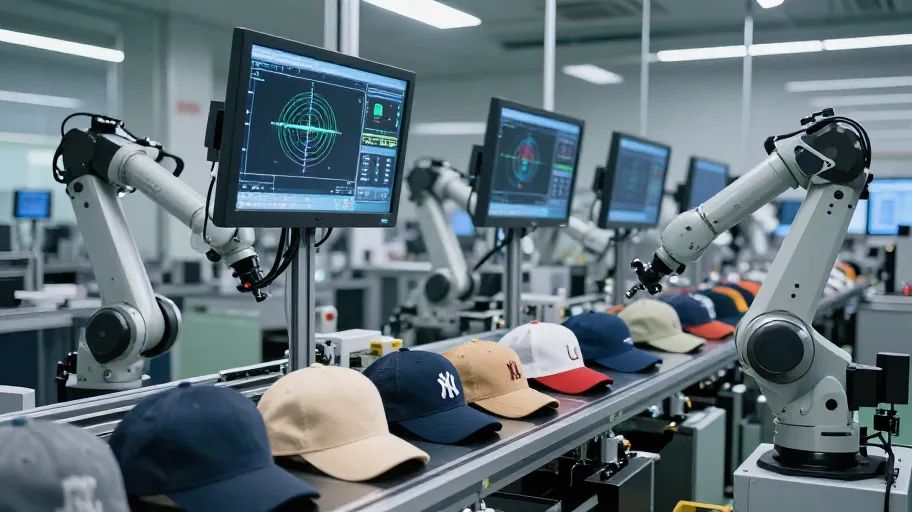
Top cap manufacturers cut production errors by up to 40%—not with flashier machines, but smarter documentation. Here’s how a Bucket Hat Factory turns specs into savings.
What goes inside a next gen cap factory’s Drawing BOM
A Drawing Bill of Materials (BOM) means fewer misprints and lower rework costs because it removes guesswork from production. At leading baseball cap manufacturer facilities, this document includes exact material grades, stitch types, seam allowances, logo coordinates, and trim attachment methods—not as suggestions, but as enforceable standards. Missing one parameter increases defect rates by 15–25%, according to ASTM D5798 for performance headwear, which directly impacts chargebacks from retailers like Target and Dick’s Sporting Goods.
Take brim thickness: specifying "flexible polymer" leads to inconsistent results. But requiring 1.8mm thermoformed EVA foam with ±0.1mm tolerance means every unit performs the same under sunlight and stress. That precision becomes executable when using engineering platforms like nTop Engineering Layers, where each fabric layer behaves like a CAD model. When designers adjust the neck drape length, the system recalculates stitch counts and fabric yield automatically—so changes propagate instantly across teams.
This isn’t just helpful for engineers—it gives managers predictable output and executives confidence in launch timelines. One athletic wear brand avoided a $1.4M revenue loss after switching from static mockups to parametric BOMs that defined not just what the hat looked like, but how it had to be built.
Why approval notes are more than just signatures
Digital approval notes mean faster dispute resolution and stronger compliance tracking because they create an immutable audit trail. Instead of relying on WhatsApp messages or scattered emails, factories using CapFactory Pro System log every decision—from Pantone color sign-offs under CIE D65 lighting to EN 71-3 metal safety tests—with timestamps, geolocation, and lab IDs.
When a European retailer rejected a shipment over UPF ratings, the manufacturer used its digital logs to prove the fabric batch had been approved two weeks earlier by the brand’s own sustainability officer. The issue was resolved in 48 hours instead of weeks, avoiding a $310,000 write-off. More importantly, the data revealed a pattern: Supplier C’s fabric degraded after third-party dyeing. With that insight, the brand shifted sourcing proactively across multiple lines.
For QA leads, this means less firefighting. For supply chain managers, it shortens batch approval cycles from 14–21 days down to 5–7. That’s three fewer weeks of inventory sitting idle—freeing up working capital and reducing air freight premiums. Executives see it as risk mitigation: every logged approval is legal-grade evidence of shared responsibility.
How digital systems compress time and cost
Integrated BOM and approval platforms mean brands hit first-batch acceptance 2.3x more often because issues are caught before cutting fabric. According to a 2024 Apparel Insights Group study, full BOM digitization leads to 40% fewer production errors—translating to real savings in labor, materials, and logistics.
Consider a brand launching 12 new bucket hat styles per season. With traditional workflows, delays cascade: sample revisions take days, approvals get lost, and last-minute fixes require air shipping. But with version-controlled specs and automated change propagation, engineers simulate assembly digitally—flagging conflicts like embroidery thread tension exceeding webbing strength before any physical prototype exists.
The result? Predictable capacity planning, fewer expedited shipments, and stronger leverage with logistics partners. Teams aren’t just reacting—they’re anticipating. And for fast-moving brands, that shift from reactive to proactive is what turns supply chain resilience into a competitive edge.
Precision is no longer optional
Treating technical documentation as strategic assets means accelerating trust and reducing obsolescence risk because specs speak the same language from design desk to factory floor. A Drawing BOM with machine-readable tolerances doesn’t just describe a product—it defines a standard of accountability.
Brands that win in the next era of apparel won’t necessarily have the flashiest designs or biggest marketing budgets. They’ll be the ones who understand that a well-documented BOM and a locked-in approval note do more than prevent errors—they compress timelines, strengthen partnerships, and turn operational discipline into market advantage.
Ready to reduce rework by up to 40% and lock in your next launch window? Start by upgrading your paperwork.
#cap manufacturers china, #headwear manufacturers china, #cap factory