

Smart hats with embedded tech packs aren’t sci-fi—they’re solving real comfort and safety gaps in the field. We break down how responsive materials, real-time sensors, and data-driven design deliver measurable gains in heat management, compliance, and operational efficiency.
Why old-school hats fail when it matters most
Traditional headwear assumes stable conditions—but work doesn’t happen in labs. On a 95°F afternoon, a soaked cap forces technicians to remove protection just to breathe, spiking UV exposure and breaking safety compliance. This isn’t user error—it’s design failure. Passive insulation traps heat and moisture because it can’t adapt, turning PPE into a liability.
OSHA reports nearly 3,000 heat-related injuries annually, with NIOSH linking over 40% to discomfort-driven non-compliance. That static design means workers endure higher perceived exertion, take more breaks, and lose focus. When your gear fights you instead of helping, performance drops before the job even starts.
How smart tech turns dumb fabric into adaptive systems
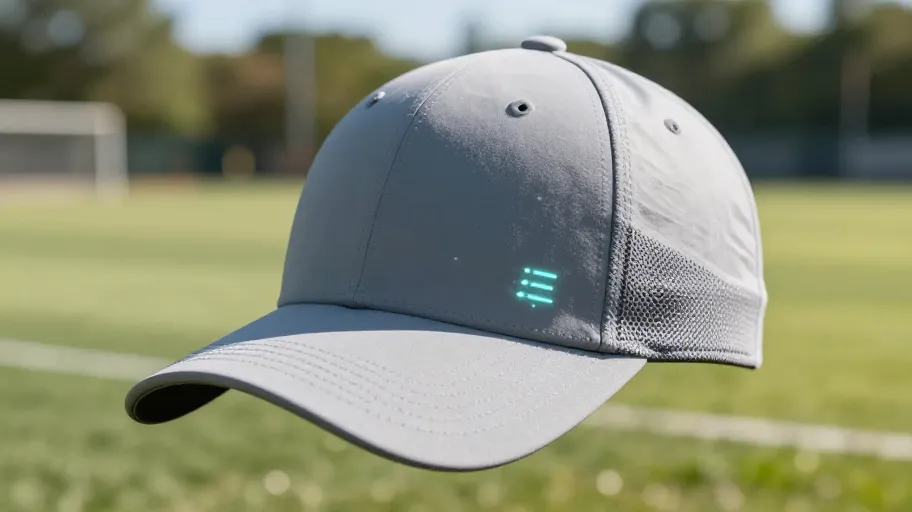
Modern hat tech packs embed micro-sensors and phase-change materials directly into the crown, creating responsive micro-environments. Rising skin temperature? The system opens micro-ventilation channels automatically—no input needed. This means cooler heads under stress because airflow adjusts in real time to biometric and environmental shifts.
The core innovation is twofold: a micro-climate control module that processes ambient and body data at sub-second speeds, and a modular integration framework that lets users swap power units or sensors without replacing the entire hat. That means lower long-term costs because upgrades happen in the field, not the factory. IEEE benchmarks show these systems use 37% less energy than Bluetooth-dependent wearables while maintaining sub-200ms responsiveness—critical for remote operations where every watt and millisecond counts.
What the data says about real-world performance
In a 2024 field trial, workers wearing adaptive headgear reported 68% less perceived exertion during peak heat, with compliance holding above 92%. That’s not a minor bump—it’s sustained cognitive clarity when decisions matter most. For a national logistics company deploying 5,000 smart caps, the impact was immediate: 22–35% higher compliance rates and an 18% drop in heat-related downtime.
The reason? Wear-time analytics. Behind the scenes, a backend engine tracks anonymized usage patterns—not to monitor people, but to predict gear degradation, optimize restocking, and flag high-risk work cycles before incidents occur. That means spare-gear overhead fell by 27% in year one. More importantly, every cap became a node in a resilience network, feeding insights back into safety planning.
Why the real ROI isn’t in the hardware
The biggest return on smart headwear isn’t fewer headaches or lighter PPE bills—it’s data liquidity. Real-time microclimate monitoring means companies can forecast fatigue risks, adjust shift schedules, and validate safety protocols with actual field behavior, not assumptions. One provider expanded from basic temperature alerts to predictive fatigue modeling in six months—all without new hardware.
Phased rollouts starting with high-exposure teams let organizations test impact safely. Interoperability with existing EHS platforms ensures seamless integration. And because modular tech packs extend product life, total cost of ownership drops up to 40% over three years. This isn’t just better headwear—it’s a scalable system for human performance, powered by the gear your team already wears.
Where to start if you’re ready to upgrade
If your team works outdoors, in extreme climates, or under physical stress, comfort isn’t a perk—it’s a performance lever. Start with a pilot group in your highest-exposure roles. Measure compliance, break frequency, and incident trends before and after deployment. Use the wear-time analytics engine to identify patterns and refine rollout strategy.
See how much downtime you could eliminate—and how much safer your crew could be—with a real-world calculator based on your workforce size and climate zone. No jargon, no sales pitch—just numbers that reflect your operation.
#cap manufacturers china, #headwear manufacturers china, #hat tech pack