Why a loose thread costs more than a scratched crystal
A single frayed stitch on a $2,800 jacket doesn’t just look bad—it breaks a promise. Luxury buyers don’t pay for fabric or glass. They pay for permanence. When a customer sees logo distortion after three months of wear, they don’t blame the thread—they blame the brand. We’ve seen this firsthand: one designer traced a 37% spike in returns to inconsistent tension in embroidered emblems. The fix wasn’t better stitching—it was catching the flaw earlier.
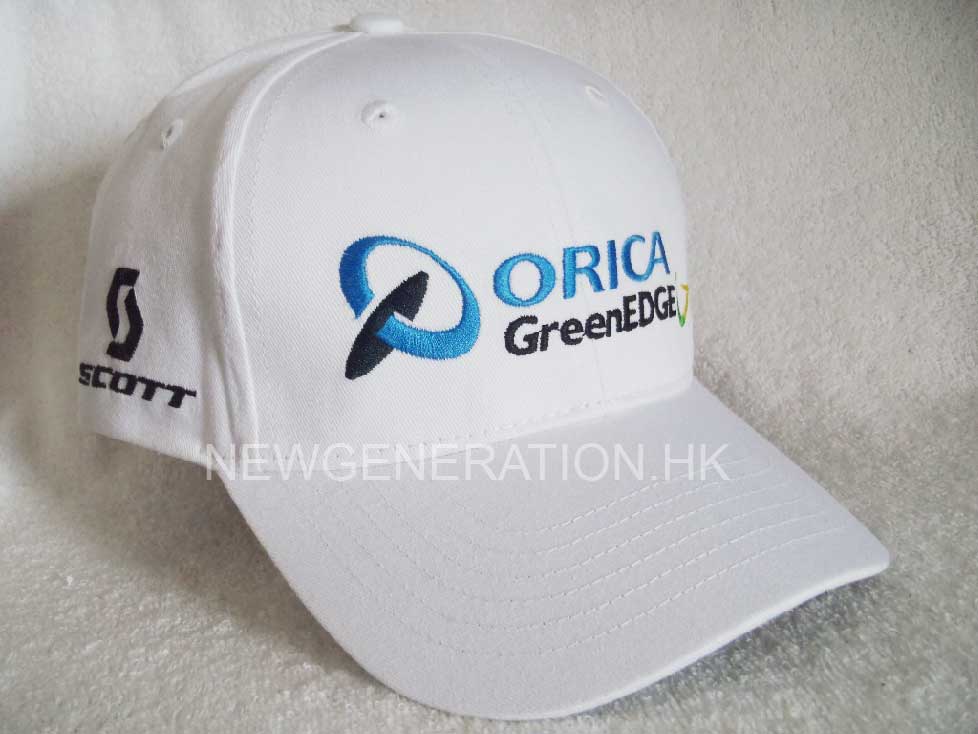
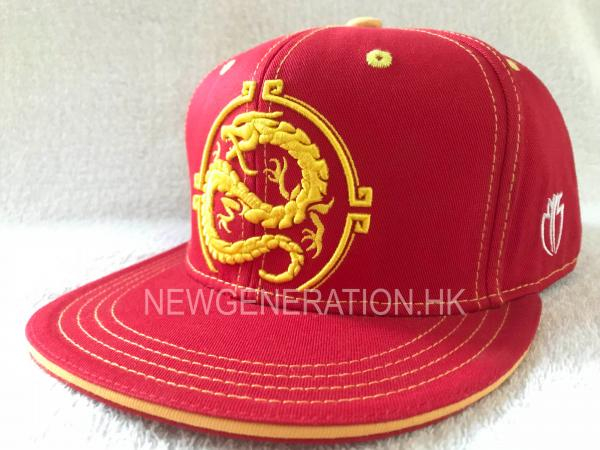
Custom embroidery with precise stitch density (SPI) means logos stay sharp over time because fibers resist uneven stress. A variance of just 5% in thread tension can cause visible warping within a year. But when manufacturers monitor needle pressure and fabric alignment at setup, mid-run, and pre-finishing, defect rates drop by up to 72%. That’s not just fewer reworks—it’s fewer disappointed customers.
And that matters because unhappy customers don’t come back. One analysis found those who filed even one quality-related claim were 40% less likely to buy high-end again within 18 months. This isn’t a production issue. It’s revenue leakage disguised as craftsmanship.
The real physics behind flawless sapphire crystals
Sapphire crystal inspection at the micron level means your device stays clear under real-world use because surface uniformity prevents micro-abrasion buildup. Natural sapphire is 9 on the Mohs scale, but a 0.3-micron deviation creates weak spots where everyday dust—softer than sand—gradually clouds the surface. These flaws aren’t visible at shipping. They appear months later, when it’s too late.
Interferometric imaging at post-polish, post-coating, and pre-assembly stages means anomalies are caught before setting because ±0.1-micron mapping detects topography shifts invisible to the eye. One European device maker cut crystal-related warranty claims by 68% after adding these checks. Their Net Promoter Score for “product as advertised” jumped 14 points—not because the crystal was harder, but because it performed longer.
This kind of inspection doesn’t just reduce scrap—it feeds data back into sourcing. One brand discovered a new supplier’s polish cycle introduced harmonic vibrations, which spectral analysis revealed. Fixing it didn’t avoid one batch of defects. It upgraded their entire supply resilience.
From final check to built-in confidence
Relying on final inspection means trusting that defects will be caught too late to fix efficiently because problems in embroidery and crystal finishing emerge gradually. Thread relaxation starts the moment the garment leaves the machine. Surface fatigue begins with the first touch of dust. Waiting until the end means choosing between scrapping, reworking, or risking shipment—all costly options.
Phase-gated quality control means catching drift before it becomes failure because monitoring happens at critical stages. For embroidery, that’s tracking thread feed rate and humidity during production. For sapphire, it’s validating surface finish after each polishing phase. This approach reduces reliance on end-line sorting by up to 80%, according to a 2025 study in the Journal of Advanced Apparel Technology.
- Catching tension drift early means stable logos, not seasonal quality dips
- Real-time surface mapping means crystals resist fogging, not just scratching
- Data from inline checks means design teams can preempt issues, not just react
One brand adjusted humidity controls in winter after noticing recurring embroidery flaws—avoiding a 15% defect surge. Another redesigned its crystal mounting process after learning bezel pressure amplified micro-stress. These aren’t fixes. They’re upgrades to long-term reliability.
Luxury isn’t bought—it’s believed
Luxury consumers don’t evaluate products like regular buyers. They’re testing a brand’s claim to mastery. A blurred emblem or hazy crystal doesn’t just disappoint—it invalidates the entire premium promise. And in an age of unboxing videos, one perceived flaw can reach millions before customer service even knows it happened.
Embedded quality control means shipping confidence, not just components because every verified stitch and mapped micron reinforces trust. Customers don’t need to wonder if their purchase will last. They see it, feel it, and keep believing in the brand.
The bottom line: proactive checks in custom embroidery and sapphire crystal inspection mean longer customer lifetimes and stronger margins because trust compounds. Brands that treat quality as a continuous discipline—not a final gate—don’t just reduce costs. They redefine what luxury feels like. Ready to turn craftsmanship into competitive advantage? Start measuring not just the product, but the promise.
#cap manufacturers china, #headwear manufacturers china, #cap factory