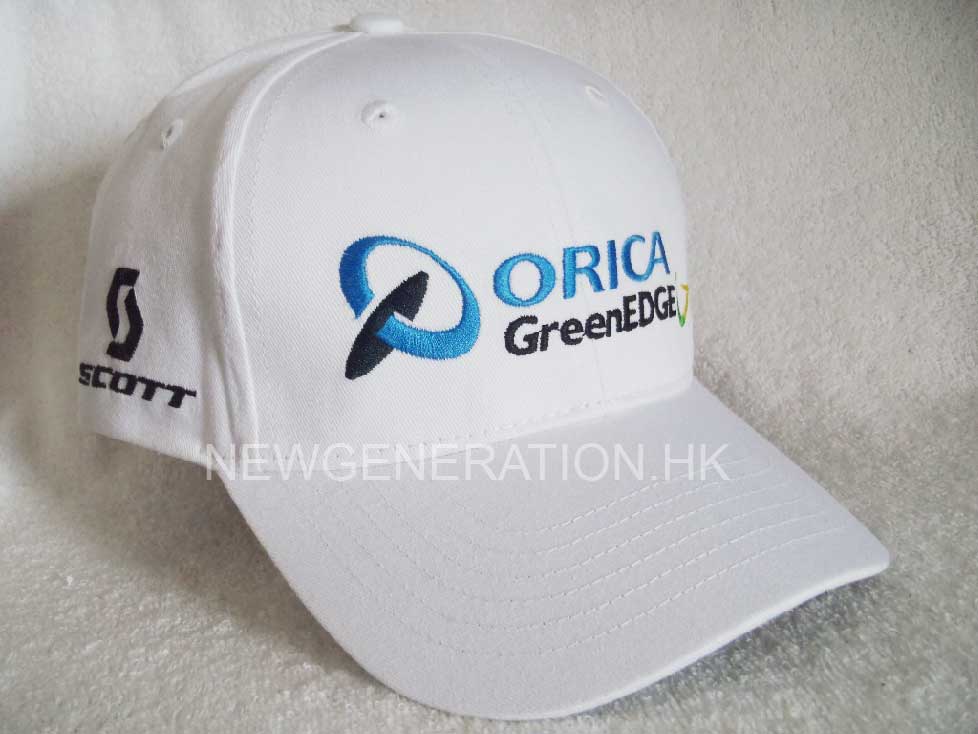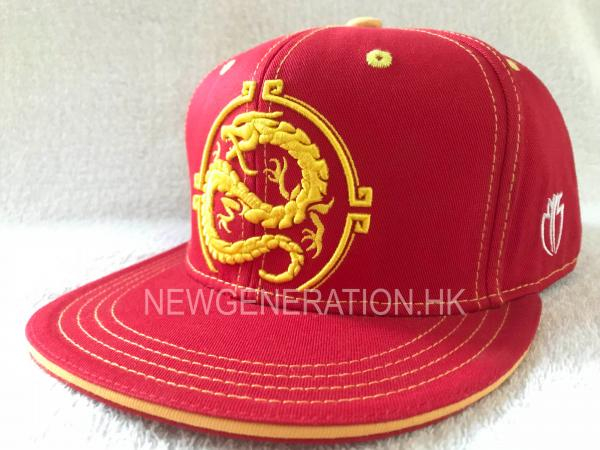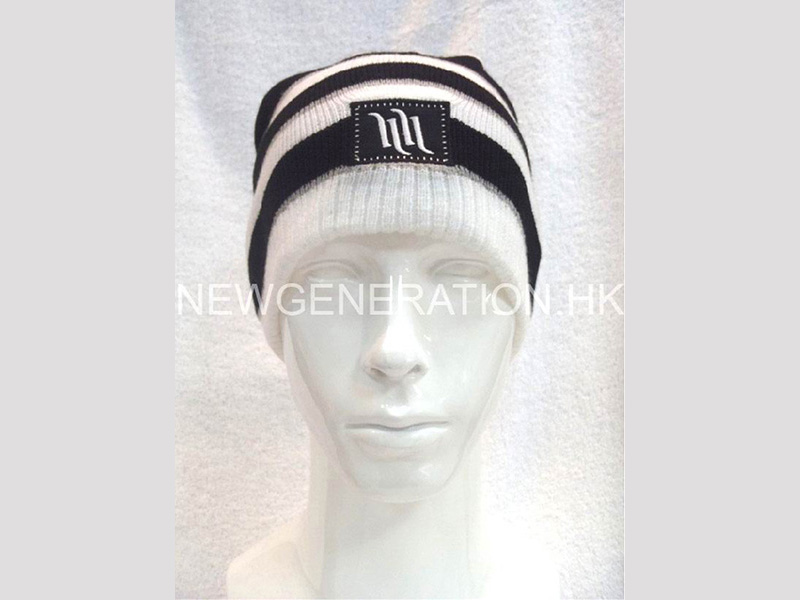



A free cap sample should include the actual construction method you intend to mass-produce, the decoration technique applied to your artwork, the materials and trims you specified, a labeled packaging example, and any accompanying documents — so you can evaluate craftsmanship, approve decoration execution, and compare suppliers against the same benchmark before committing to a production order.
Content-Production Brief
| Field | Detail |
|---|---|
| Search job | Confirm what a free cap sample should contain so buyers can evaluate craftsmanship and decoration before placing a production order. |
| Primary keyword | free hats samples |
| Reader | New brands and price-sensitive sourcing teams running their first headwear buy; they have not yet established a supplier benchmark. |
| Search intent | 采购准备 — preparation before procurement: comparing sample offers and avoiding commitment mistakes. |
| CTA | Download the sample confirmation checklist. |
| Decision framework | SAMPLE — six components to verify inside any free cap sample. |
| Conversion barrier | Buyer cannot tell a token cap from a representative pre-production sample, so "free" feels risky rather than useful. |
| Fact boundary | No claims about MOQ, price, sample policy, lead time, capacity, certifications, sustainability, named clients or factory capability. Use verify, compare, document, confirm, approve. |
Signal & Competitor Rationale
| Signal | Internal evidence only | How it informs this article |
|---|---|---|
| GSC queue reason | Fresh keyword: 4 impressions, 2 clicks, rank 12.0. Tentative data pending GSC processing. | Two clicks on four impressions signals a real curiosity gap about what free samples actually include; rank 12 places us on page two, so the page must lead with a clear answer-first paragraph to earn the click and the dwell. |
| Local NG knowledge base | New Generation is a China-based custom headwear manufacturer for overseas brands, importers, wholesalers and corporate buyers. | Used only to ground the sourcing-adviser tone; not extended into any capability or performance claim. |
| Competitor facts | Not supplied. | No competitor data is invented; comparison framing stays generic and supplier-neutral. |
Note: GSC figures are tentative and may be back-filled or adjusted; they are used to detect today's signal, not for stable period-on-period comparison.
Pain Map
| Buyer concern | Decision obstacle | Content hook | Conversion opportunity |
|---|---|---|---|
| "Is the free sample real production quality or just a sales showpiece?" | Cannot tell the difference without a structured inspection. | The SAMPLE framework teaches them exactly what six things to verify. | They download the checklist to run the same inspection on every supplier. |
| "What should I ask the supplier so I am not surprised later?" | Lack of vocabulary for construction, decoration and packaging. | Eight pre-written approval questions they can paste into email. | The checklist gives them the same questions in a reusable format. |
| "Can I compare three suppliers fairly?" | Each supplier sends samples in different formats. | A decision table aligns comparisons on identical criteria. | The checklist forces the same criteria on every incoming sample. |
| "Am I being pushed toward a paid sample when a free one would do?" | New brands cannot judge sample-policy trade-offs. | The framework distinguishes a stock token from a pre-production sample. | They feel equipped to negotiate rather than rushed. |
Use the SAMPLE Framework to Inspect What You Receive
A free sample is only useful if it is the same kind of cap you plan to reorder at volume. When you open the package, work through the SAMPLE checklist:
execution
signals
S — Specifications
Panel count, crown structure, visor shape, closure type and sizing. These should match the style code on your quotation, not a generic substitute.
A — Artwork Execution
Embroidery stitch density, print registration, patch alignment and color match to your Pantone callouts. Decoration is where most production disputes start, so inspect it under daylight before reading any paperwork.
M — Materials
Fabric weight and hand feel, sweatband material, eyelet ventilation and button construction. Touch matters; product photographs do not convey it.
P — Packaging
Polybag or box, insert board, carton fill ratio and label position. Packaging drives landed cost and damages as much as the cap itself.
L — Lead-Time Signals
Not the schedule itself, but whether the sample arrived with a dated packing list, a referenced tech pack and a named contact. These signals indicate how the supplier will run your production order.
E — Evaluation
Wear the cap for a day, photograph it under natural light, re-check the decoration after handling, and document any deviation from your tech pack in writing.
If any letter in SAMPLE is missing or vague, that is the area to interrogate before you order.
Decision Table: Which Kind of Sample Are You Actually Holding?
| Sample type | What it proves | What it does NOT prove | When it is appropriate |
|---|---|---|---|
| Stock token (off-the-shelf cap) | The supplier exists; basic construction quality; general hand feel. | Your decoration, your colors, your tech pack, your sizing. | First contact, when you only want to feel fabric weight. |
| Sales sample (customized but not from your run) | The supplier can execute your decoration technique on a similar style. | Exact color match, exact materials, packaging for your order. | Comparing decoration quality across two or three suppliers. |
| Pre-production sample (built from your tech pack) | The cap your production run will replicate. | Volume consistency, bulk packaging, large-batch color variance. | Final approval before mass production begins. |
A "free hats samples" offer that sends only a stock token is not wrong — but it is not enough to approve a production order. The goal of this framework is to help you tell the difference and ask for the right kind of sample at each stage.
Approval Questions to Ask Before You Order
Send these to your supplier before you commit. The quality of the answers tells you as much as the cap itself.
- Specifications. "Is this sample built to the panel count, closure and sizing in the quotation, or is it a generic substitute?"
- Artwork. "Was this decoration produced from our artwork file, and can you share the stitch count or print file you used?"
- Colors. "What Pantone references did you match to, and how do you handle color variance in bulk?"
- Materials. "Can you document fabric weight, sweatband material and country of origin for the main fabric?"
- Repeatability. "Will the mass-produced cap use the same materials and decoration process as this sample?"
- Packaging. "Does this sample include the polybag, insert and carton configuration we would actually ship in?"
- Documentation. "Can you provide a tech pack, a packing list and a named contact for the production order?"
- Deviations. "If anything in this sample differs from our spec, please list it before we approve."
A supplier that answers all eight in writing is signaling an approval-ready workflow. A supplier that deflects is telling you something too.
How to Compare Free Hats Samples from Multiple Suppliers
New brands often request three samples at once, then struggle to choose because each arrives in a different format. To compare cleanly:
- Lock the spec before you request. Send the same short tech pack to every supplier — same panel count, same closure, same decoration technique. If you change the spec between requests, the comparison is invalid.
- Photograph each sample under the same light. Daylight next to a window, top-down and side profile. Color memory is unreliable; side-by-side photos are not.
- Score each letter of SAMPLE on a 1–3 scale. 1 = below expectation, 2 = meets, 3 = exceeds. The totals will reduce bias toward whichever cap arrived first.
- Read the paperwork, not just the cap. The supplier who attached a tech pack and a packing list is usually easier to work with at volume than the one who sent a prettier cap with no documentation.
- Negotiate from the gaps. If a supplier scored low on Materials but high on Artwork, ask them to revise the material specification before you approve. The gaps are your leverage.
The checklist below operationalizes this — same criteria, every sample, every supplier.
Red Flags Worth a Follow-Up Question
None of these automatically disqualify a supplier, but each is worth a written follow-up before approval:
- The sample arrives with no packing list, no tech pack reference and no named contact.
- Decoration is described only as "logo" with no stitch count, print file or patch dimensions.
- Colors are matched "by eye" with no Pantone reference recorded.
- The cap differs visibly from the style code on the quotation, with no explanation.
- Packaging is described as "standard" with no carton or polybag specification.
- The supplier declines to put answers in writing and prefers to "discuss by call."
A short, polite written follow-up on any of these protects you far more than a lower unit price ever will.
Frequently Asked Questions
Are free hats samples really free?
"Free" usually refers to the unit price of the cap. Shipping, custom decoration setup, or expedited freight may still apply. Ask for an itemized sample quote so you know what is waived and what is billed before the sample ships.
How many samples should I request before ordering?
For a first-time buy, comparing two to three suppliers on the same spec is usually enough to surface quality and communication differences. Beyond three, decision fatigue tends to set in and the comparison gets harder, not easier.
Can a free sample include my own logo and colors?
It depends on the supplier's sample policy. Some suppliers send a customized sales sample at no charge; others charge a setup fee that is credited toward your production order. Confirm in writing which policy applies before you request.
What if the sample looks good but I am still nervous about bulk quality?
Request a pre-production sample built from your final tech pack before mass production begins. This is the cap your run will replicate, and it is the last practical chance to approve or revise.
Do I need to return the sample?
Most suppliers do not require returns on free samples. If they do, confirm return shipping responsibility before the sample ships, so it does not become a surprise cost later.
Before You Place the Order
A free cap sample is not a gift — it is evidence. Treat it like a test: spec it before you request it, inspect it against the SAMPLE framework, document deviations in writing, and compare every supplier on the same criteria. The suppliers who survive that process are the ones worth a production order.
Download the Sample Confirmation Checklist
A one-page SAMPLE scoring sheet, the eight approval questions, and a side-by-side comparison table you can reuse for every headwear buy.
Download the Sample Confirmation Checklist →Short on time? Start with the eight approval questions only — copy, paste, send, and keep the rest of the framework for when you are ready to compare suppliers head-to-head.