
You don’t pick a cap factory based on brochures. You pick one that lets you see live production data and welcomes surprise audits. Here’s how top brands separate real capacity from sales talk.
The Real Test of a Cap Factory Happens at 7 AM Unannounced
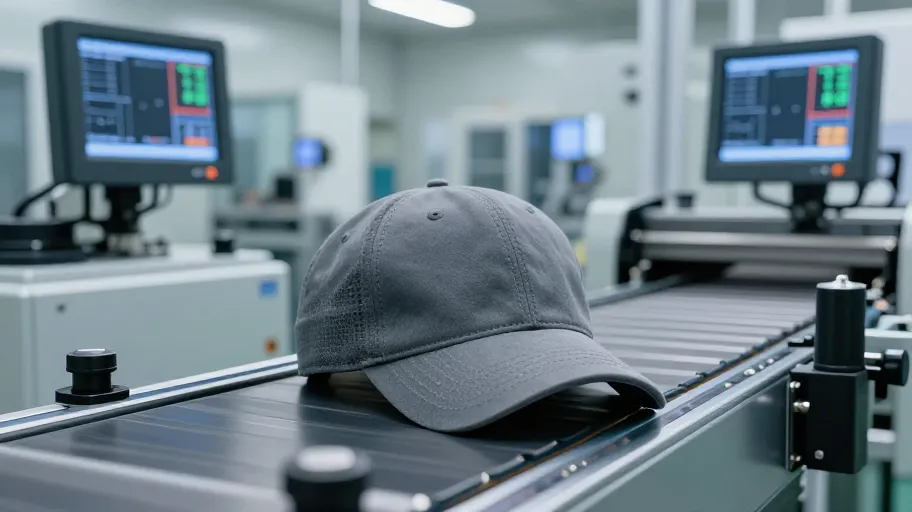
Real manufacturing strength isn’t proven during a scheduled tour with polished floors and staged workstations. It’s proven when your team shows up unannounced at 7:15 AM, tablet in hand, asking for access to live machine data. That’s when you see if a factory runs on discipline—or deception. One U.S. apparel brand avoided a 20,000-unit recall because they insisted on digital transparency before signing. Live stitch-count analytics exposed inconsistent thread tension 11 days before final assembly. Live data access means catching defects early, because problems visible in real time are fixable. Without it, you’re relying on luck, not process.
Why Brochures and Certifications Fail Buyers
Glossy brochures, BSCI certifications, and ISO badges feel reassuring—but they’re static snapshots, not proof of daily execution. A 2024 Global Sourcing Institute study found 73% of factories claiming 'advanced automation' couldn’t back it up with live IoT data from their machines. Certification confirms policies exist; it doesn’t prove they’re followed. Automation without connected systems is just expensive equipment under good lighting. Third-party audits once a year mean you’re blind for the other 364 days. That’s why leading brands now treat compliance as a starting point, not the finish line.
Production Data Transparency Is Your First Filter
True transparency means direct API-level access to the factory’s ERP/MES system—not weekly Excel exports emailed after approval. When machines feed live data on stitch counts, downtime, fabric batches, and QC pass rates, you gain early warning on deviations. In one case, a 14% variance in stitching density flagged a material swap: a secondary fabric mill had replaced the approved supplier. Because RFID tags and cloud logs timestamped the change, the issue was traceable and correctable. Real-time data access means predictable quality, because anomalies surface before they compound. Factories that resist this level of visibility often do so because their processes aren’t standardized—or they rely on subcontractors they won’t disclose.
Frequent Third-Party Audits Turn Risk Into Insight
Data tells part of the story. Independent verification tells the rest. Suppliers audited quarterly by firms like SGS or Bureau Veritas are 3.2x less likely to face major compliance incidents than those checked annually. More importantly, frequent audits create a feedback loop: findings lead to fixes, which are confirmed in follow-ups. One Southern California brand missed labor violations during an initial audit—but caught them six months later with an unannounced visit during peak season. Biannual surprise audits mean you see how a factory performs under pressure, because stress reveals hidden risks. Now, they require all Tier 1 partners to accept two surprise audits per year, with reports shared directly with ESG and procurement teams.
Predictability Beats Low Cost Every Time
The cheapest bid often becomes the most expensive decision. Correcting a stitching flaw mid-run costs pennies. Fixing it post-shipment triggers reverse logistics, lost sales, and reputational damage—easily $5–$7 per unit. For a 20,000-unit order, that’s over $100,000 in avoidable losses. Real-time visibility means lower total cost, because prevention is always cheaper than repair. One Hangzhou-based cap maker reduced buyer audit time by 68% after launching a client portal with daily production reports and QC photos. The result? Repeat orders grew 41% in 18 months. Why? Retailers could plan inventory confidently when they knew exactly how many units passed inspection—and why others failed.
The Future of Sourcing Is Proof, Not Promises
The old model trusted sales reps and spotless showrooms. The new model trusts sensors, timestamps, and independent validators. Digital maturity is no longer optional—it’s the baseline. Factories that treat production data as a trade secret will lose market share to those who understand that transparency builds trust and drives growth. Shared data access means stronger partnerships, because aligned incentives reduce friction across the supply chain. The most powerful question in sourcing isn’t “Can you make this?” It’s “Can you prove you already are?” That shift—from belief to verification—is what turns unreliable vendors into strategic allies.
#cap manufacturers china, #headwear manufacturers china, #cap factory