


Why you're paying more for worse quality
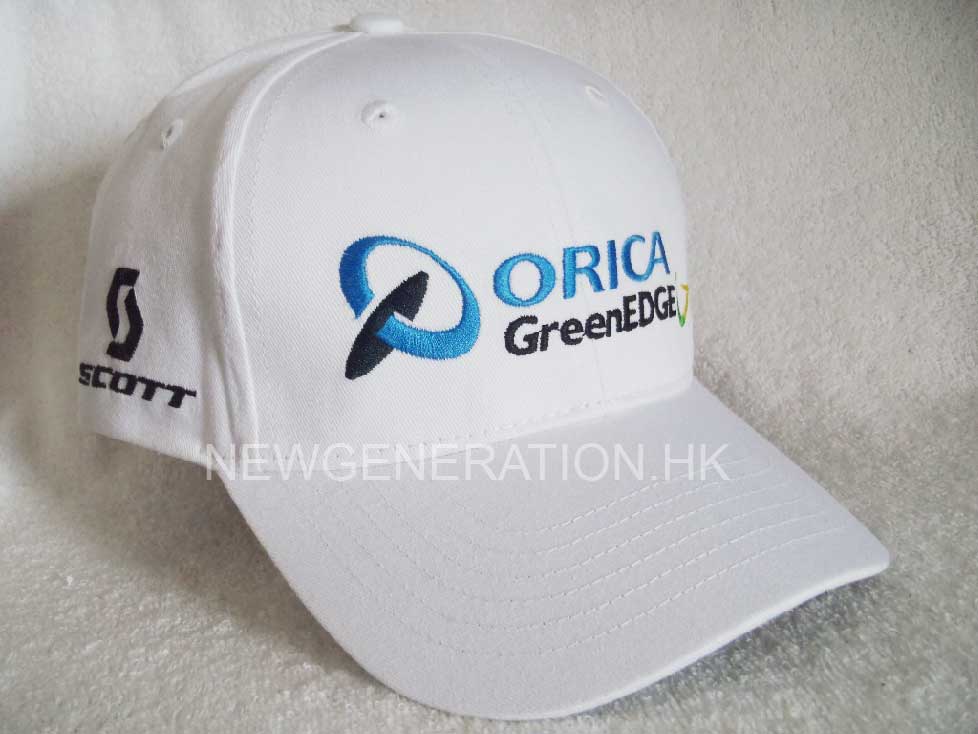
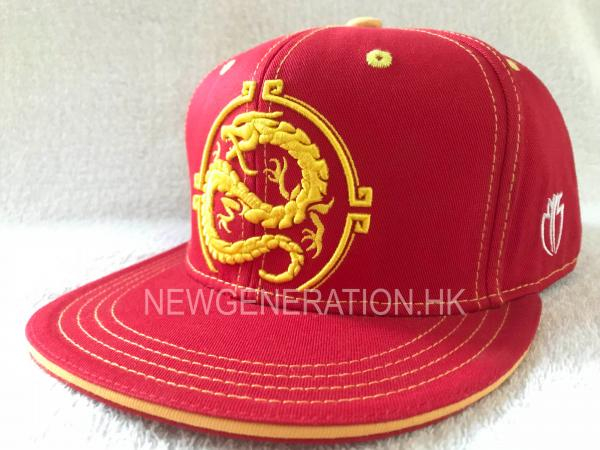
You’re not overpaying because Chinese manufacturing is expensive—you’re overpaying because you can’t verify what’s real. A U.S. outdoor brand chose a supplier based on a polished portfolio and promises of 'premium craftsmanship.' Their first shipment had inconsistent stitching, warped brims, and fabric shrinkage. The issue wasn’t fraud—it was Marketing Claim Inflation, where suppliers exaggerate capabilities to win contracts.
This isn’t rare: 70% of new buyer-supplier relationships see major quality issues in the first run, according to a 2024 supply chain benchmark. Suppliers list '500+ workers' and 'advanced embroidery lines,' but without Production Capacity Verification, those numbers are just words. That means no machine counts, no staffing validation, no output tracking. One brand later switched to a verified factory with 30% lower pricing and 98.6% first-pass yield—proving value comes from measurable performance, not glossy photos.
What on-site audits actually reveal
A European fashion label asked for timestamped video of sewing line operations before paying a deposit. What they saw? A factory running at less than half the capacity it claimed—avoiding a potential $200K loss. Third-party auditors report 40–50% of stated capacities among Chinese suppliers are inflated when unchecked.
The fix? Shift from sales pitches to Objective Verification Metrics: count machines, map workforce per station, measure throughput. These turn vague claims into comparable data. One brand cut onboarding time by 35% using a checklist audit because problems were caught early. Pair this with a Digital Factory Footprint—a cloud system showing real-time production status and machine use—and you get oversight without travel. One U.S. company dropped inspection costs by 60% while improving response times. When you see what’s really happening, quality becomes predictable.
How much money you’re losing right now
If you’re picking suppliers based on trade show charm or website design, you’re leaving 18–25% of your margin on the table. A DTC hat brand slashed rework costs from 12% to under 3% in two cycles by switching to evidence-based sourcing. That wasn’t luck—it came from the First-Order Validation Protocol: require raw material logs, unedited WIP videos, and physical packaging samples before production starts.
One brand found their factory swapped in cheaper thread not on the spec sheet—catching it pre-production avoided a recall. This protocol turns promises into proof. Also track your Supply Chain Friction Index: a score based on delays, corrections, and communication load. A 2024 study found high-friction suppliers used 37% more internal management time—even if pricing looked good. Lower friction meant faster speed: one brand went from sample approval to bulk shipment in 19 days, down from 34.
What to do tomorrow morning
Start today with three actions that shift you from guesswork to control:
- Demand raw material traceability documents as a non-negotiable—know exactly what goes into your product
- Require timestamped WIP videos at cutting, sewing, and finishing stages—no edits, no staging
- Build your own Supply Chain Friction Index—score suppliers on response time, revision frequency, and error recurrence
These steps don’t just prevent defects—they build a leaner, repeatable process. You’ll move faster, spend less on fixes, and protect your brand. It’s not about distrusting suppliers. It’s about knowing, not hoping.
#cap manufacturers china, #headwear manufacturers china, #cap factory