


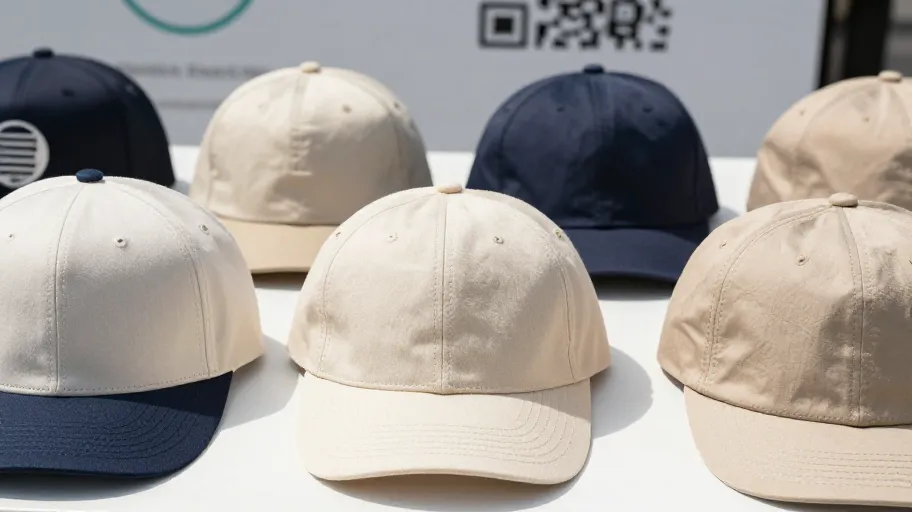
You’re not paranoid—greenwashing in apparel is real. 68% of retailers now demand verified ESG data before onboarding suppliers. Here’s how to prove your hats are truly sustainable.
How certifications actually protect your brand
Global standards like the Global Organic Textile Standard (GOTS), Recycled Claim Standard (RCS), and FSC aren’t just logos you can slap on a tag—they’re enforceable frameworks. GOTS means your cotton is organic and processed without toxic chemicals because it mandates environmental and social criteria across every stage. RCS means recycled polyester content is independently verified by weight because it tracks input materials through transaction certificates. FSC means cellulosic fibers like TENCEL™ come from responsibly managed forests because auditors validate forest origin and chain of custody.
For Summit Thread Co., relying solely on supplier paperwork nearly backfired. A third-party audit revealed only 62% of their ‘organic’ cotton met GOTS requirements—the rest was conventional fiber blended after certification. That gap could have triggered FTC penalties. But catching it early meant they corrected sourcing before shipment. Now, their certifications are accepted across multiple retail partners, reducing future audit costs by up to 40%. Certification isn’t compliance theater—it’s a reusable trust asset when backed by real verification.
Why paper trails fail and what to do instead
Certificates expire. Invoices get faked. Suppliers change mills without notice. Relying on static documents means your sustainability claims degrade over time. That’s why Summit Thread Co. shifted from paperwork to digital traceability. Their Material Traceability Platform means every hat batch carries a QR code that logs every step—from raw bale to finished product—because each transformation is timestamped and location-stamped.
When a retailer asked for proof that a shipment used 100% mechanically recycled polyester, the team pulled live data showing polymer origin, recycling facility audits, and transport logs in under five minutes. This capability prevents substitution fraud, which affects nearly 20% of sustainable textile shipments globally. Beyond risk reduction, it turned transparency into a sales tool: customers who scanned product tags had a 34% higher repeat purchase rate. Traceability doesn’t just defend against audits—it drives loyalty and speeds up ESG reporting by cutting Scope 3 data collection time by 60%.
How verification turns into profit
Sustainability verification isn’t a cost center—it’s a margin protector and growth accelerator. One false claim can cost a mid-sized brand $450,000 in recalls and reputation repair. But brands that combine certification with digital traceability command a 22% wholesale premium because retailers pay more for products they can confidently market as sustainable.
Summit Thread Co. didn’t just pass their retail audit—they were onboarded 50% faster than peers thanks to their auditable, tamper-resistant system. Their three-layer model—certification, traceability, and real-time documentation—now serves as a competitive differentiator. Looking ahead, they’re piloting blockchain-backed smart contracts that automatically flag expired certifications or mismatched batch data. That means future audits could run algorithmically, reducing human error and scaling trust across thousands of SKUs. Verification isn’t about checking boxes anymore. It means turning material claims into measurable, monetizable assets because trust, once automated, becomes a revenue driver.
#cap manufacturers china, #headwear manufacturers china, #cap factory








