
Most eco-friendly hat claims are unverified. Up to 68% lack full documentation. Here’s how to cut through the noise using certifications, traceability, and lab testing—so you know what’s in your product before it hits shelves.
The real cost of trusting supplier sustainability claims
When a hat supplier says “organic cotton,” what they mean and what you get aren’t always the same. One outdoor brand learned this the hard way when its new hiking hats—marketed as eco-friendly—were found to contain conventional polyester and banned dyes. The fallout? A 22% drop in accessory sales and a PR recovery that cost more than the line’s projected profit. This isn’t rare: Textile Exchange’s 2023 study found 68% of textile sustainability claims can’t be fully backed. Relying on marketing language instead of verified data exposes your brand to legal risk, customer backlash, and financial loss. The problem isn’t just dishonest suppliers—it’s systems that let vague claims slide. But you don’t have to play detective every time a mill sends a certificate.
Why GOTS certification is just the beginning
GOTS certification means your fabric meets strict environmental and social criteria—like using at least 95% certified organic fibers and banning toxic chemicals such as formaldehyde and heavy metals. That’s valuable because it sets a baseline for responsible production. But certification alone doesn’t guarantee consistency across batches. A 2024 supply chain report showed 41% of certified suppliers couldn’t reproduce batch-level documentation under audit pressure. So while GOTS gives you credibility, it doesn’t give you proof. It’s like checking a resume without calling references. The real protection comes when you layer certification with systems that track materials in real time and validate them independently.
Traceability turns promises into proof
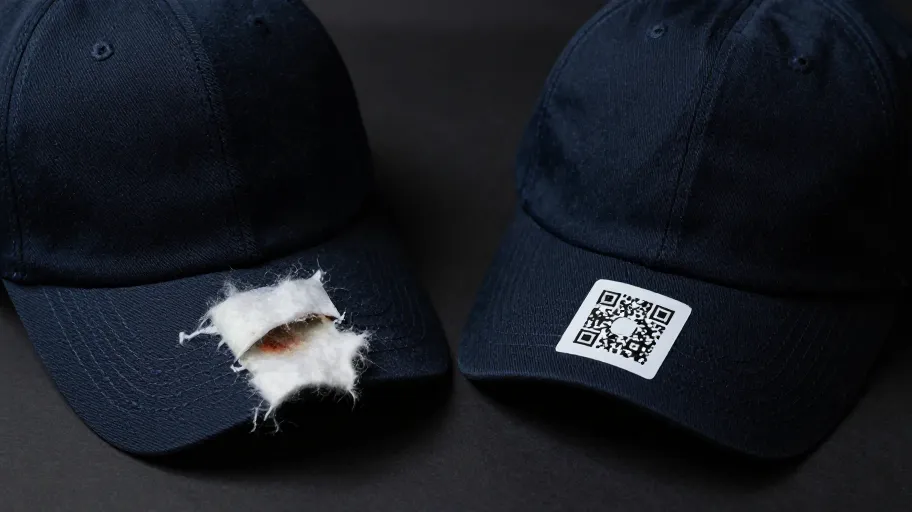
Blockchain-powered platforms like TextileGenesis mean you can trace a hat’s cotton from farm to finished product, because each step—from ginning to dyeing—is recorded in an immutable ledger. That eliminates document forgery and stops material substitution mid-chain. For decision-makers, this means faster compliance reporting and stronger consumer trust. One brand added QR codes to its hat tags linking to digital passports; scan rates hit 47%, and return rates dropped by 18%—customers kept what they felt confident about. Traceability isn’t just transparency theater. It’s operational insurance. When regulators demand proof of origin, you won’t be scrambling for files. You’ll have them ready.
Lab testing catches what audits miss
Unannounced lab tests on production samples mean suppliers can’t prepare only the ‘good’ batches for review, because any run could be checked for fiber content, chemical residues, or carbon markers. This unpredictability raises accountability. One brand discovered unauthorized synthetic blending in a supposedly 100% organic run during a surprise test—catching it pre-shipment saved $1.2 million in potential recalls and reputational damage. Independent analysis doesn’t replace audits; it makes them matter. When labs confirm what the blockchain records, you close the gap between claim and reality. For procurement teams, that data becomes leverage—negotiating not just on price, but on verified performance.
How verification drives business value
A three-layer system—certification, traceability, and lab validation—means fewer surprises, faster launches, and higher margins. Brands using this model report up to 35% willingness-to-pay premiums on accessories with verifiable credentials. That’s not altruism. It’s trust made tangible. And with the EU’s Digital Product Passport mandate arriving in 2027, early adopters turn compliance into competitive advantage. Internally, teams spend less time chasing paperwork and more time innovating. Externally, customers vote with their wallets. The future of sustainable sourcing isn’t about believing suppliers. It’s about verifying them—continuously, conclusively, and in ways that grow your business.
#cap manufacturers china, #headwear manufacturers china, #cap factory