


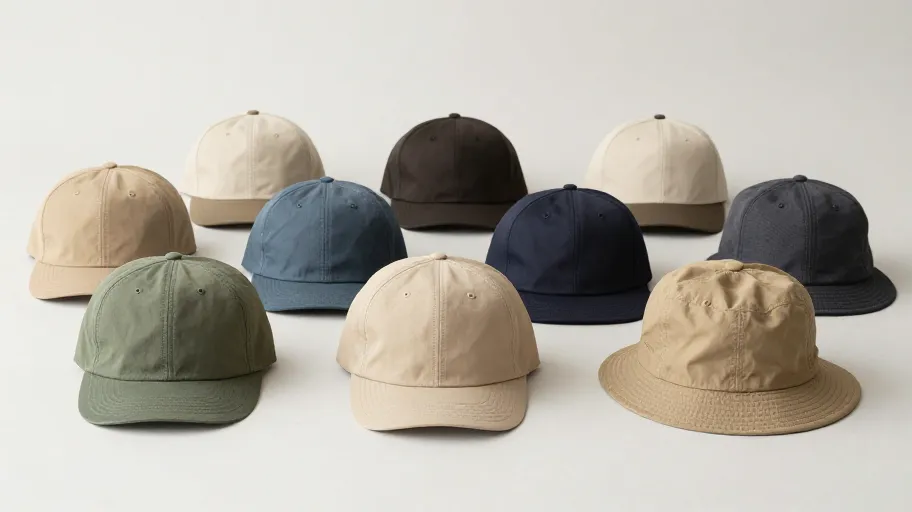
Procuring custom hats from China doesn’t have to mean sacrificing quality or ethics. With the right approach, you can cut costs by up to 40% while ensuring sustainable, brand-safe production. Here’s how to do it right.
How to Verify Sustainable Material Claims From a Hat Supplier
Demand certified documentation and batch-specific test reports—because without them, you’re not buying eco-friendly hats, you’re buying marketing fluff. One lifestyle brand discovered their supplier’s claim of 100% recycled polyester was actually less than 40% after an SGS audit. That kind of gap isn’t just misleading—it’s a lawsuit waiting to happen.
The issue is widespread: Textile Exchange’s 2023 report found 68% of sustainability claims from overseas suppliers lack verifiable proof. Many Chinese factories use ‘near-recycled’ blends unless held to strict standards. A Sustainable Materials Audit fixes that. It means compliance with GRS (Global Recycled Standard), because unverified materials risk customs delays and consumer backlash. For your team, that translates to faster approvals in the EU and U.S.—and fewer fires to put out.
Take Recycled PET Fabric, now standard in premium caps. Technically, it diverts plastic waste. Commercially, it delivers a verified 30% lower carbon footprint versus virgin polyester. But that benefit only counts when the supply chain is transparent. One outdoor startup landed a major retail deal by showing Intertek-verified batch reports—not just a generic certificate. That’s how sustainability becomes a selling point, not a liability.
In today’s market, verification isn’t optional—it’s leverage. Brands that audit win customer trust, avoid greenwashing fines, and move faster to shelf. When sustainability is documented, it becomes defensible, scalable, and real.
How to Plan a Low MOQ Custom Hat Project Without Guessing
You don’t need 1,000 units to launch. The smartest DTC brands are testing designs with just 50 to 100 pieces per style, slashing risk while speeding up innovation. After confirming your materials, the next step is clear: how do you move fast without overcommitting cash or inventory? The answer is the Low Minimum Production Framework.
This method combines tiered prototyping with shared factory resources—like digital embroidery setups and communal tooling—to eliminate high upfront fees. A 2024 benchmark found manufacturers using shared capacity cut setup costs by up to 65%, making small-batch hat production financially viable. One brand prepping for a pop-up tour produced 300 units across three styles—each with unique colors and logos—without exceeding 100 per SKU.
The myth that low MOQ means high unit cost breaks down when you use freight consolidation and local warehousing hubs in Guangzhou or Ningbo. By batching shipments with other buyers, brands reduce shipping markups—from a typical 22% bump down to just 7%. That’s not just saving money; it means faster design ROI through iteration. Each small run tests sizing, color, and logo appeal before full-scale production.
On-demand hat production isn’t niche anymore—it’s strategic. Brands using iterative launches see 40% higher sell-through on first large orders because they’re not guessing. They’re building data, one precise batch at a time.
What Does a Free Cap Sample Include? Questions to Ask Before You Order
A real free cap sample isn’t a gimmick—it’s a risk filter. One fashion buyer in Portland learned this the hard way: she approved a “free sample” only to receive bulk hats made with off-spec twill and mismatched stitching, forcing a $42,000 rework. Why? The supplier treated the sample as a visual placeholder, not a production twin. Reliable Chinese manufacturers cover sample costs because they know this stage prevents mass failures—opaque policies should raise red flags.
A valid sample must match final production exactly: same fabric batch, correct stitch count (8–12 SPI), underbill color, and your logo applied on the actual assembly line. This isn’t about looks—it’s about process control. Skipping these steps spikes error rates. A 2024 study found brands using full-spec samples reduced post-production corrections by up to 70%, directly improving margins and delivery reliability.
That’s why the Pre-Production Sample Protocol is essential. It acts as a first article inspection, locking in every detail before cutting starts. Ask: Is this built on the real production line? Can I specify thread tension, panel alignment, and UV coating on the underbill? These aren’t nitpicks—they’re safeguards. One European streetwear brand cut sampling delays by 50% just by requiring machine calibration logs with each submission.
Treat sampling as a quality gate, not a formality, and you’re not just checking a hat—you’re stress-testing the entire relationship. The right sample doesn’t save money today; it prevents massive losses tomorrow, setting up a lean, resilient supply chain.
#cap manufacturers china, #headwear manufacturers china, #hat tech pack








