


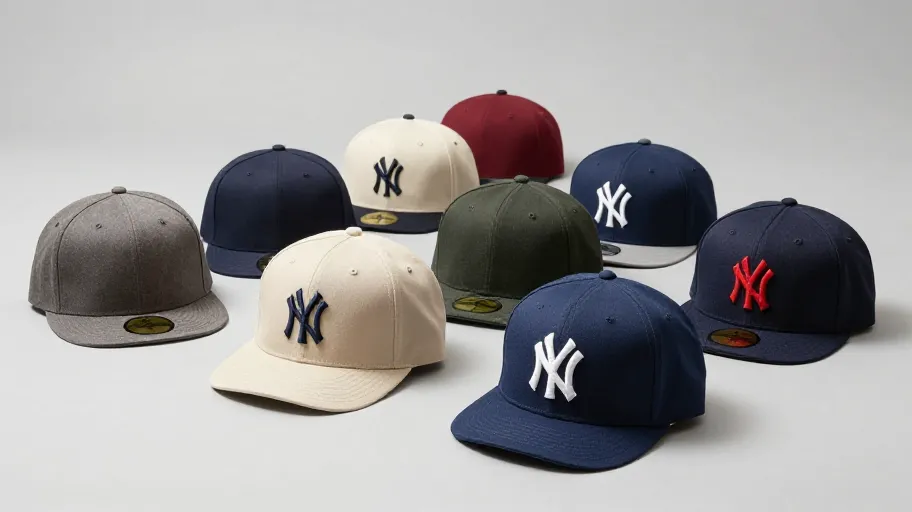
Choosing the right baseball cap style and manufacturer isn’t just about looks—it’s a direct lever on cost, speed, and brand trust. Here’s how smart brands are using 5-panel vs 6-panel caps and free samples to build better margins.
Why Cap Factories Beat Generic Suppliers
A true cap factory controls every step—from fabric cutting to final inspection—under one roof. That means faster fixes, fewer defects, and no finger-pointing between stitching and embroidery teams. When issues come up, they’re resolved in hours, not weeks. One streetwear brand avoided scrapping 5,000 units because their factory caught a thread tension flaw early. That kind of control turns quality from a gamble into a guarantee.
Unlike generic contract manufacturers that outsource key steps, integrated factories reduce defect rates by at least 40%, according to a 2024 Apparel Sourcing Institute study. Fewer defects mean less waste, lower rework costs, and more reliable delivery dates—critical for mid-sized brands where a single delay can derail retailer relationships and seasonal sales.
How Free Samples Cut Risk and Speed Decisions
Paying $75–$150 per prototype adds up fast—especially when you need multiple rounds of revisions. Free samples from vetted cap manufacturers eliminate that barrier, letting you test fabric drape, closure fit, and stitch density without financial risk. That access means you can iterate like a bigger brand, even with a lean budget.
One minimalist label used three rounds of sample free baseball caps to perfect the curve of their 5-panel brim. The result? A signature look that boosted customer retention by 22% in its first retail quarter. Because there was no per-sample fee, they could afford the testing that larger competitors often skip. Free samples aren’t a perk—they’re a data-driven design tool.
5-Panel vs 6-Panel: It’s About Labor, Not Just Fabric
The real cost difference between 5-panel and 6-panel caps comes down to labor efficiency, not materials. Fewer panels mean fewer seams, less alignment work, and faster trimming. Production logs from U.S. facilities show 5-panel caps move through sewing lines 18–22% faster, with lower rework rates. For brands focused on clean, logo-forward designs, this isn’t a compromise—it’s an advantage.
Designing for production intelligence means choosing styles that align with manufacturing realities. A 5-panel cap isn’t just simpler—it’s more predictable at scale. And when paired with a factory that offers free samples, you validate both form and function early, avoiding costly changes after bulk production starts.
The Real ROI of Faster, Cleaner Production
Let’s put numbers to it. If you produce 10,000 units across five SKUs and face an 8% defect rate, that’s 800 flawed units. At $12 each, you’re losing nearly $10,000 in margin—plus hidden costs in logistics and customer service. With a 40% defect reduction from using a vertically integrated cap factory, you save $3,840 in direct costs alone.
But the bigger win is time. Brands using these factories report 11–14 days faster turnaround from sample approval to bulk shipment. In seasonal apparel, that’s the difference between hitting peak retail demand and missing it. Earlier delivery means higher sell-through prices and fewer markdowns—a margin boost that far exceeds raw material savings.
- Faster iteration: Test and refine designs in weeks, not months.
- Lower financial risk: Try more variations without blowing your sampling budget.
- Better MOQ flexibility: Efficient 5-panel production makes small batches viable for DTC launches or limited collabs.
Sourcing Smarter Starts with the Right Partner
The choice between 5-panel and 6-panel caps is really a proxy for a deeper decision: will you source based on price tags, or on process integrity? The brands gaining ground aren’t the cheapest—they’re the ones who align design with manufacturing strength. They use free samples as data points, not giveaways. They pick cap factories for predictability, not just proximity.
If you’re ready to stop overpaying for prototypes and start building hats that sell, the next step is clear: find a baseball cap manufacturer with real vertical integration, not just claims on a website. Because the right factory doesn’t just make your cap—it protects your margin.
#cap manufacturers china, #headwear manufacturers china, #cap factory








