
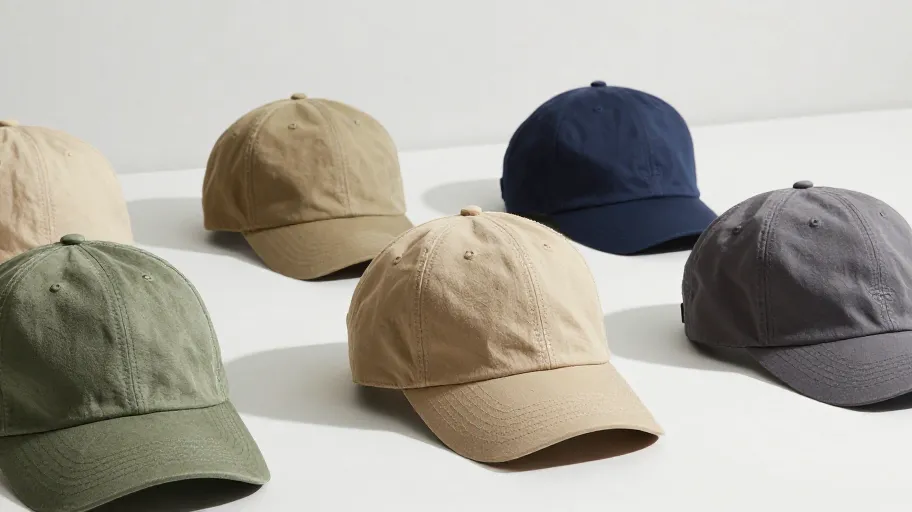
More brands are ditching fast fashion for GRS-certified U.S. cap makers who turn plastic waste into premium headwear. This isn’t just recycling—it’s a smarter supply chain.
Why Fast Fashion Can’t Keep Up With Ethical Demand
Fast fashion runs on speed, not scrutiny. The result? Caps made in hidden factories, stitched with virgin polyester from fossil fuels, and shipped globally before anyone checks labor conditions or emissions. Conventional production emits five times more CO₂ than GRS-certified alternatives, according to Textile Exchange lifecycle data. And 73% of all apparel ends up buried or burned—caps included.
This model is breaking under pressure. Consumers now expect proof, not promises: 68% will switch brands for verifiable sustainability (2024 NielsenIQ). Regulators are catching up, with FTC updates and EU due diligence laws on the horizon. For brands still outsourcing blindly, that’s operational risk dressed as cost savings.
GRS certification cuts through the noise. It verifies recycled content down to the fiber level and mandates fair wages, safe facilities, and environmental compliance at every step. When a U.S. manufacturer holds GRS, they’re audited—not self-reporting. One North Carolina factory slashed water use by 40% and energy by 30% post-certification, which means faster approvals from retailers like REI and Patagonia who demand low-risk partners. That’s not overhead—that’s access.
How GRS Mills Turn Bottles Into High-Performance Fabric
Recycling plastic into wearable fabric sounds simple—until you need it to hold shape, take embroidery, and survive years of wear. GRS-certified mills in the U.S. make it possible through precision, not hype. Take a Texas-based facility supplying headwear brands with 100% rPET from post-consumer bottles and pre-consumer textile scraps. Their process means durable caps without sacrificing ethics, because chemical decontamination removes dyes and adhesives while preserving polymer strength.
The output isn’t downcycled fluff—it’s rPET with tensile performance equal to virgin polyester. That means structured front panels stay rigid, curved bills don’t sag, and embroidered logos look sharp after hundreds of washes. And because GRS requires Chain-of-Custody Certification, every yard traces back to source material. Independent auditors verify records at sorting, spinning, and cutting stages. A 2024 Textile Exchange audit found only 38% of brands claiming recycled content could prove full traceability—GRS mills close that gap.
For brands, this means more than compliance. Transparent material transformation builds consumer trust. When 67% of shoppers check claims before buying (2025 NielsenIQ), verified rPET becomes a competitive edge. The fabric isn’t just functional—it’s your brand’s most persuasive proof point.
What Real ROI Looks Like With Sustainable Sourcing
Sustainability used to mean higher costs and slower turns. Now, GRS-certified sourcing flips that script. Verified ethical production means stronger margins, because consumers pay more for what they can trust: 78% will pay a premium for products with audit-backed claims (2024 NielsenIQ). One DTC lifestyle brand switched to a domestic GRS cap supplier and saw average order value jump by 22% within a year. That’s not luck—it’s conversion fueled by transparency.
Beyond pricing power, circular sourcing reduces financial volatility. Relying on closed-loop rPET means less exposure to oil-driven polyester spikes and tightening environmental regulations. One manufacturer locked in stable input costs by partnering with certified recyclers, which means up to 30% lower material cost variability over three years. That’s resilience built into the supply chain.
And GRS isn’t just a label—it’s strategic insulation. As new rules emerge, early adopters gain lead time. They’re not scrambling to comply; they’re already ahead. That operational rigor becomes a moat. For executives, that means long-term brand value. For managers, it means smoother audits and fewer delays. For marketers, it means stories backed by data, not slogans.
How to Choose a U.S. Cap Maker Who Proves More Than Promises
Picking a sustainable cap partner isn’t about slick websites or vague “eco-friendly” tags. It’s about proof. Start with GRS certification—check the public database at Control Union or NSF. If they can’t share their certificate, move on. Then ask: Where does their rPET come from? Can they trace it to the bale? Do they audit subcontractors?
Domestic manufacturing adds another layer of control. A U.S.-based mill means shorter lead times, fewer shipping emissions, and real oversight. One California brand reduced delivery windows from 14 weeks to 6 by switching to a local GRS-certified maker. That agility means better inventory planning and faster response to trends—without sacrificing ethics.
The next step is action. Don’t wait for regulations to force change. Brands that lock in trusted, certified suppliers now aren’t just reducing risk—they’re building loyalty, margin, and momentum. See how your line performs with caps made from verified recycled materials. Request a sample kit from a GRS-certified U.S. manufacturer and compare durability, cost, and story strength side by side.
#cap manufacturers china, #headwear manufacturers china, #hat tech pack