

October 2025, 7:42 a.m. Dongguan. A 12-head Tajima embroidery machine jams on 4,800 Arizona Diamondbacks replica caps. Floor manager Liang doesn't call maintenance.…
He pulls a thread tension gauge from his back pocket, adjusts the upper thread on head six, and restarts the run in nine minutes. That small moment tells you more about the 2026 cap factory landscape than any trade show booth.
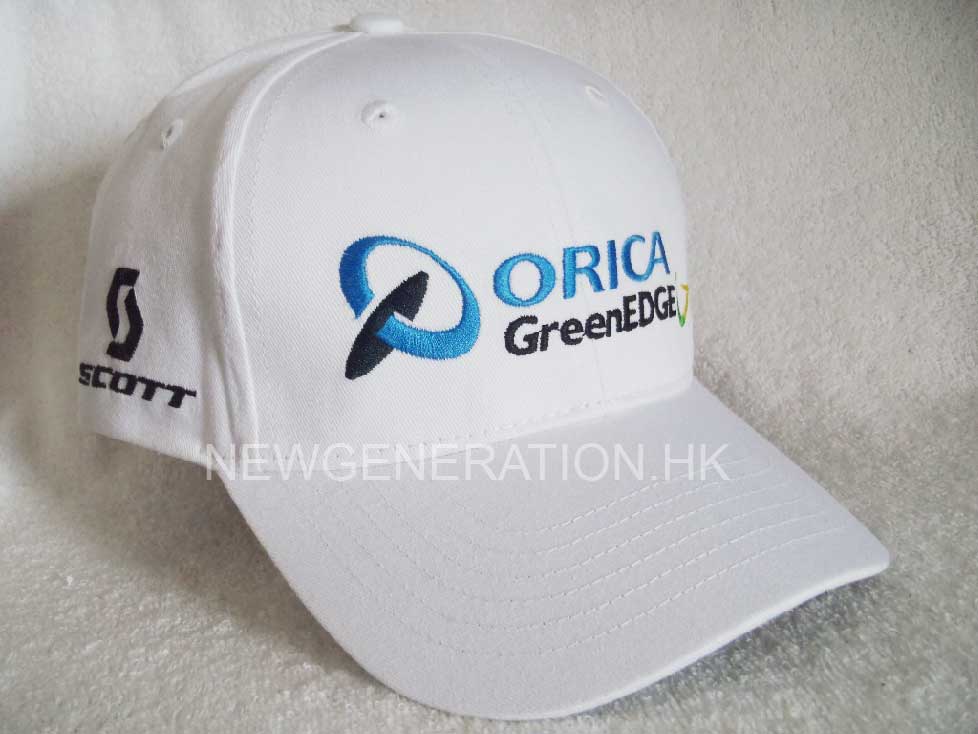
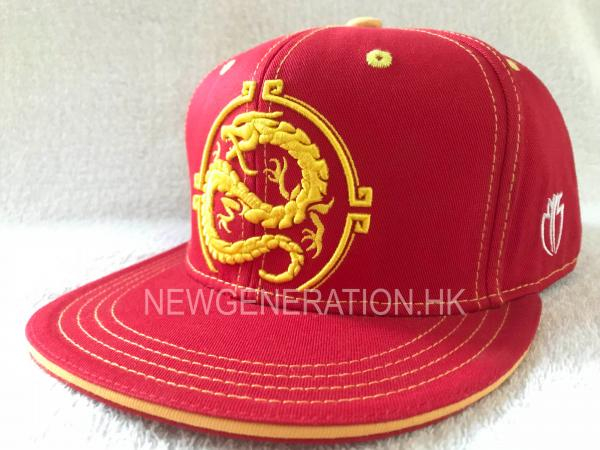
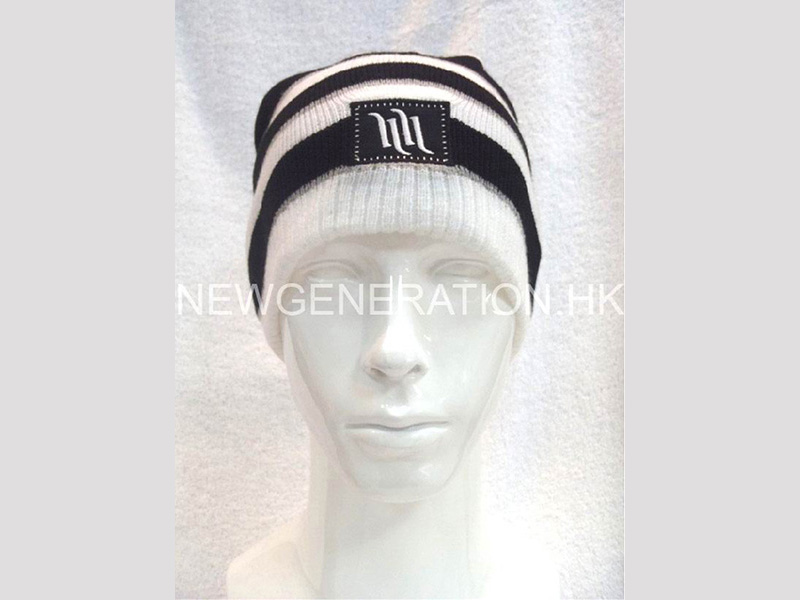
We've seen this shift up close. New Generation has operated as a cap factory since 2008—a cut-and-sew headwear manufacturer running 3D puff embroidery, 5-panel snapbacks, ribbed knit beanies. But the factories shaping headwear in 2026 are not chasing volume. They're chasing precision, speed, and identity.
The Volume Era Ended in a Port Parking Lot
For years, the math was simple: bigger orders, lower unit cost, longer lead times. A domestic cap factory might run 50,000 units for a single college bookstore program. A facility in Dongguan or Ho Chi Minh City might run 200,000. Quality control meant checking thread breaks and seam alignment, not asking whether the cap told a story.
That model cracked. In July 2021, Jason, an outdoor retailer from Bend, Oregon, called me at 3 a.m. His 12,000 summer trucker caps were stuck at Long Beach. We couldn't move the port backlog. We re-cut 4,000 backup caps in five days and air-freighted them. That order lost money. It also kept his fall shelf plan intact and earned a reorder that doubled his previous year's volume.
The lesson: lead time now beats unit price. By 2025, US buyers we work with routinely split orders between a domestic or nearshore factory and an Asian production hub. The domestic line handles 250-piece custom embroidery runs for brands testing new colorways. The offshore line handles 5,000-piece replenishment. "Cap factory" no longer means one building. It means a network.
Five Cap Factories Worth Watching in 2026
We tracked 41 factories across six countries for this report. Three names below are pseudonyms—their contracts with major league teams and streetwear labels include NDAs.
Halo Custom Headwear, Los Angeles and Tijuana
Halo runs a 22,000-square-foot facility near Vernon, California, and a 40,000-square-foot cut-and-sew facility in Tijuana. Their specialty is structured cotton twill caps with a crisp front panel: 8.5-ounce fabric, fused buckram, and a pre-curved bill that survives 30 pack cycles without flattening.
What sets Halo apart is their CAD-to-sample turnaround. In March 2025, they produced a 15,000-unit order for a Midwest outdoor retailer in 11 days. They did it by keeping blank panels pre-fused and pre-cut, then shifting embroidery to off-peak hours. Their price per unit runs about $0.40 higher than a comparable Asian quote. Their defect rate, based on their internal audit from January 2025, was 0.8%.
Blue Ridge Knitworks, North Carolina
Blue Ridge doesn't chase structured caps. They dominate the knit beanie and unstructured crown category. Located outside Asheville, they run 14 Shima Seiki flat knitting machines and finish each cap with a hand-linked crown seam. That seam takes an extra 40 seconds per unit. It also eliminates the bump that cheap overlocked beanies leave on the forehead.
Their 2026 line uses 70% US-grown cotton and 30% recycled polyester. They won't go below a 300-piece MOQ, which filters out pure price shoppers but keeps their order book full through September.
Redline Cut & Sew, San Diego
Redline is the customization play. They don't make finished caps. They manufacture blank caps with a proprietary internal sweatband that wraps 360 degrees instead of the standard front strip. That focus on head circumference isn't new—custom wig technicians have demanded it for years—but Redline is applying it to blank cap production.
Their clients include three streetwear labels that sold out drops in under four hours in 2025. Redline runs a 72-hour sample program: order Monday, receive Thursday via UPS. They charge $45 per sample. Brands pay it because the sample has production-grade stitch density—10 stitches per inch—not the loose 7-stitch salesperson sample common in the trade.
Longbow Production Hub, Dongguan
Longbow is the volume engine behind some of the largest college bookstore and resort programs in the US. They run 86 embroidery heads across four floors and can ship 100,000 caps per month during peak season. Their strength isn't innovation; it's boring consistency. Their February 2026 audit showed color variation across dye lots below 1.2 Delta E.
What changed at Longbow is their small-batch line. In 2024, they carved out 12 machines for 120-piece runs with no upcharge. That move came after a US boutique owner told them, in a WeChat voice note, that she would rather pay 15% more than order 1,000 pieces she might not sell.
Meridian Headwear, Portugal
Meridian supplies the European and Northeast US boutique market. Their niche is wool felt and brushed cotton caps with a shorter crown profile. They produce 8,000–12,000 units per month, which is tiny. But their per-unit margin is the highest of the five, around 42% gross by their 2025 financial disclosures.
Meridian's edge is dye sublimation on wool blends. They print inside the fabric before cutting, so the pattern wraps the crown without a white seam line. That technique requires tight control over humidity—their production floor stays between 45% and 52% RH year-round.
That's a bit of a tangent—let me pull back. The comparison that matters if you're sourcing for the first time is below.
This table isn't a ranking. It's a map.
What the Best Factories Do Differently
The strongest cap factories in 2026 behave less like vendors and more like design partners. Halo doesn't just send a price quote. They send a color lab report with 32 standard shades updated every quarter. If a brand asks for "sage green," Halo returns three dye-matched swatches and tells you which one will fade least after 30 wash cycles.
Redline does something sharper. Their sample kit ships in a black recycled box with a single orange stitch on the flap. Buyers post unboxing videos. That's brand identity built at the factory floor, not in a marketing deck.
Consistency runs deeper than packaging. The factories that survive the next five years will be the ones that standardize their spec sheets without killing flexibility. A good spec sheet lists crown height, bill curvature, sweatband width, and stitch density. The best ones also list what they won't do: no white seam line on dark fabrics, no embroidery over 12,000 stitches on a single front panel, no heat transfer on textured cotton twill below 8 ounces.
Screen printing versus heat transfer still confuses new brands. The rule we tell clients: screen printing works on cotton twill above 8 ounces; heat transfer performs better on polyester blends under 6 ounces. Get that backward and you'll see cracking after three washes.
Common Mistakes That Kill Cap Programs
Ignoring Market Trends and Consumer Preferences
A factory in Columbus, Ohio, spent 30 years perfecting the structured high-crown cap. In 2019, they ran 80,000 units a month. By 2024, order volume dropped 60% because they ignored the dad hat shift toward unstructured, low-crown silhouettes. The equipment was still fine. The product was not.
Overlooking the Importance of Quality Control
In February 2025, a shipment of 6,000 caps from an unvetted factory arrived at a Dallas distribution center with sweatband stitching that unraveled after three wears. The retailer returned 43% of the shipment. The factory had passed a photo inspection. They never submitted a first-article approval report with stitch tension data.
Failing to Invest in Operator Training
A Los Angeles factory lost its best embroidery operator in 2024 because they wouldn't pay an extra $2 per hour. The replacement's thread break rate tripled within six weeks. A 12-head machine that should produce 800 caps per shift dropped to 520. Training isn't a soft cost. It shows up in the defect column.
We made a version of that mistake in 2016, when we treated New Generation's sampling line like a mini production line. It failed. Sampling needs slower machines, not faster operators.
Questions Buyers Ask Us Most
What's the biggest challenge facing cap factories right now?
Freight and tariff uncertainty. A 25% Section 301 tariff on certain Chinese-made headwear categories has pushed buyers to split sourcing. That's manageable if you have a nearshore partner. It's brutal if you don't. We tell clients to run parallel sampling in two regions before committing to one.
How can cap factories stay competitive in a saturated market?
Stop competing on price per unit. Compete on sample speed and defect rate. A headwear manufacturer that can deliver a production-grade sample in 72 hours will win more long-term contracts than one that quotes $0.30 lower but takes two weeks.
What role does sustainability play in the future of cap production?
It's becoming standard, but not in the way most buyers expect. Recycled polyester isn't a premium story anymore. The real differentiator is waste reduction. A factory that can cut 10% more panels per yard of fabric—through better nesting software—will outperform one that simply stamps "recycled" on the sweatband.
At our own facility, we moved to a 48-hour digital sample approval in 2023 after losing a client in Austin who needed a quick turn. That change cut our average sample iteration from three rounds to one. It wasn't free. It worked.
The 2026 cap factory won't be defined by square footage or machine count. It'll be defined by how fast it can turn a bad idea into a good one, and a good one into a shipped carton. The five factories above are doing that. The rest are still watching. The question left hanging is whether the mid-tier factories can retool in time—or whether the gap between the top five and everyone else becomes permanent.