

Why High MOQs Kill Emerging Streetwear Brands
Being forced to order 1,000 units before your first customer validates your design means betting big on unproven ideas. For a London startup, that’s double the inventory they need, locking up capital in unsold caps. One misjudged color or logo placement turns 500 units into dead stock—killing cash flow before marketing even starts.
A 68% failure rate among independent UK apparel brands within two years isn’t just bad luck—it’s often tied to inventory mismanagement. High MOQs shift financial risk entirely onto the brand, not the factory. That setup cost protection for manufacturers becomes a creativity tax for designers.
But here’s the truth: low MOQ doesn’t mean poor quality or inflated prices anymore. Specialized cap manufacturers china-based now use modular stitching lines and digital embroidery to produce 100–300 unit runs at near-bulk pricing. These systems cut waste and changeover time, so small batches make economic sense—for them and you.
Lower MOQ means you keep control over cash flow, design iteration, and seasonal relevance. You test fast, scale what sells, and reduce waste by up to 70%. The bottleneck isn’t demand—it’s outdated supply logic. And that logic is already changing in Dongguan and Hangzhou.
How Micro-Run Factories in China Are Changing the Game
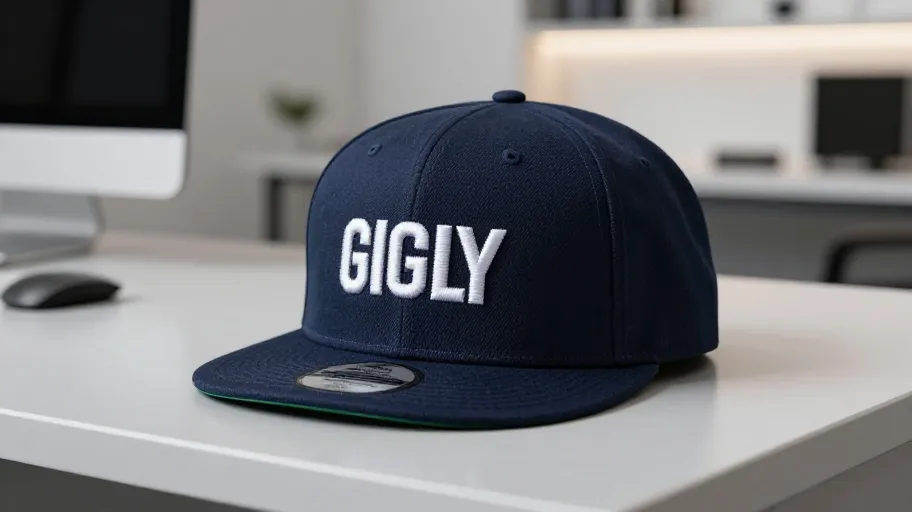
Factories in Guangzhou and Dongguan now deliver custom snapbacks with MOQs of just 50–100 units. Modular assembly lines make small runs profitable, ending the false choice between creative control and entry-level costs.
Digital embroidery integration and on-demand fabric cutting machines—highlighted in the Global Apparel Supply Chain Report 2024—cut material waste and changeover time by up to 70%. That efficiency enables real agility: one London label launched three limited-edition designs totaling under 300 caps, no premium pricing, full customization.
The Custom snapback factory model combines robotics for brim molding and stitching with human-led quality checks. Their workflow slashes machine setup time by 60%, delivering new designs in under 10 days. AQL 2.5 standards are standard, with real-time defect tracking and third-party inspections available.
This speed creates a feedback engine. Brands ship micro-batches, measure social engagement and sell-through, then refine designs in weeks—not seasons. One Bristol startup refreshed its line four times in a quarter, using early data to double down on top performers—achieving 89% inventory turnover versus the industry’s 62% average.
Faster learning beats bigger bets. Each run builds market intelligence, sharpens brand identity, and deepens community loyalty before competitors finalize their first bulk order.
From Prototype to Profit in 8 Weeks Using China Sourcing Partners
In streetwear, speed equals relevance. Waiting months to launch means missing trends and losing momentum. But with the right China partner, going from sketch to sellable stock takes eight weeks or less—turning agility into equity.
A Bristol brand tested a bold new look: artwork finalized Monday, digital proofs approved Wednesday, physical samples in hand by Day 10. Their sourcing agent used a Supply Chain Orchestration Platform to sync timelines across eight time zones, running design approval, fabric sourcing, and packaging mockups in parallel. Result? 200 custom snapbacks produced, inspected, and shipped in six weeks. Pre-launch sales hit £12,000—fully funding the next batch before retail launch.
Rapid prototyping reshapes customer loyalty. A 2024 benchmark found brands using micro-runs achieved 37% higher retention in their first product cycle. Why? Limited drops and real-time feedback create emotional ownership. When fans buy Season 0, they become advocates by Season 1.
Time-to-market now matters more than volume discounts. Every week saved means earlier revenue, tighter trend alignment, and room for innovation. With reliable low-MOQ restocking, brands build scalable demand through sustained scarcity—no more all-or-nothing bets.
#cap manufacturers china, #headwear manufacturers china, #hat tech pack