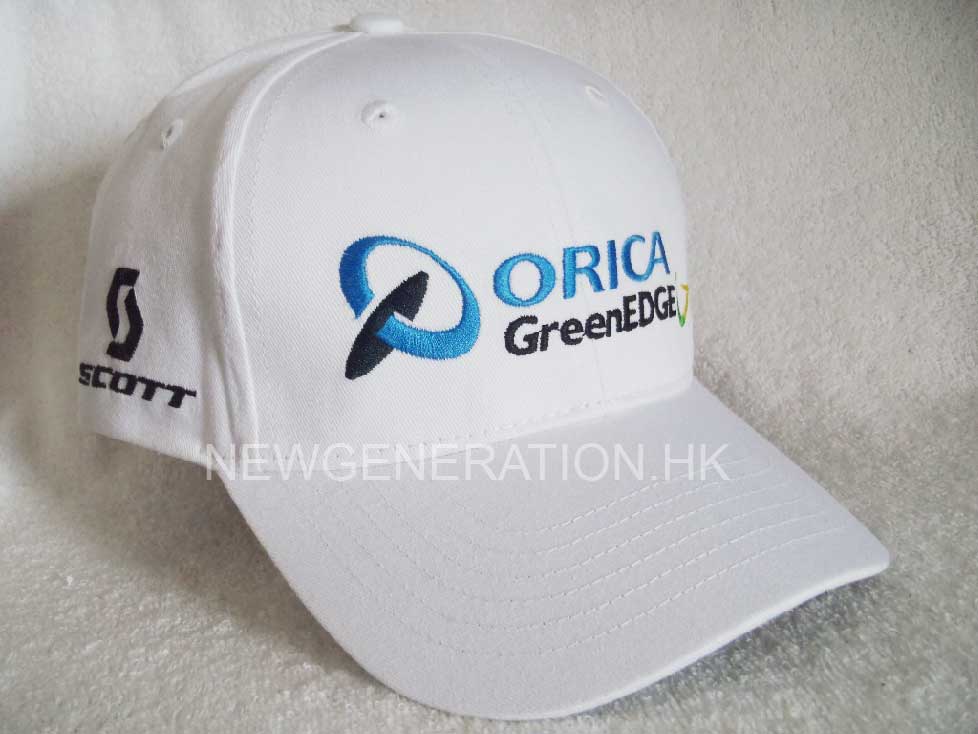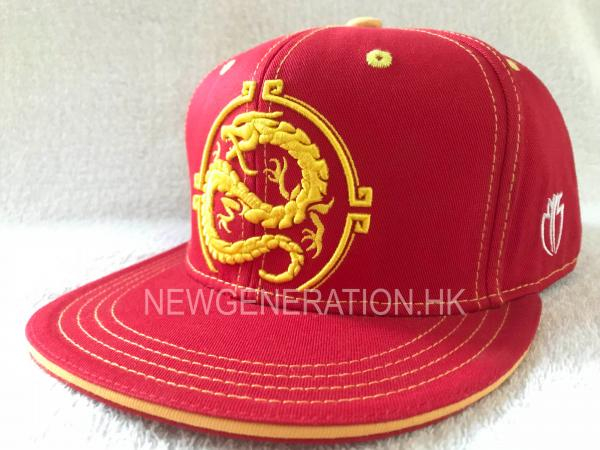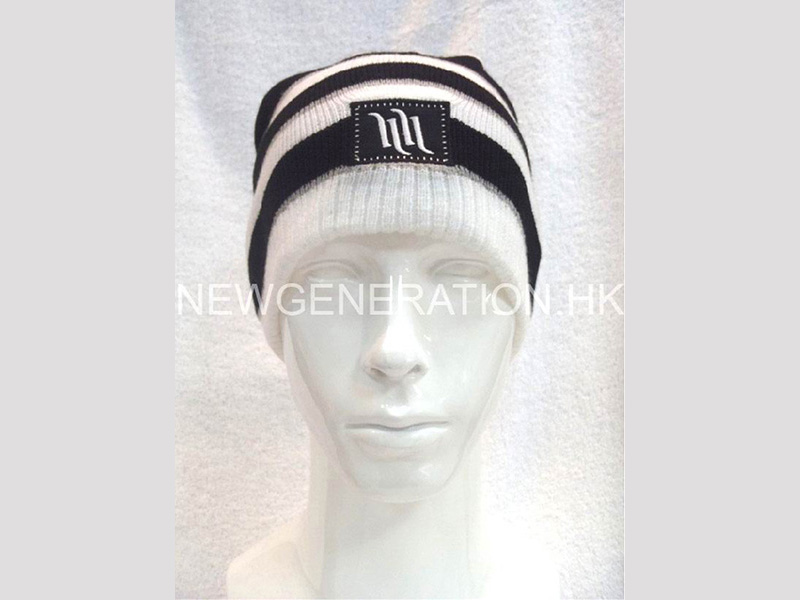


A "free" sample in B2B headwear sourcing typically refers to the manufacturer waiving the internal labor and material cost for a standard prototype, excluding freight, custom tooling, or complex design revisions. To protect your margins and ensure quality, you must verify if the sample provided is a representative "Golden Sample" or merely a generic sales reference.
For new brands and price-sensitive buyers, the term "free hats samples" is often an entry point into a complex supply chain negotiation. While the removal of the upfront manufacturing cost reduces risk, it does not eliminate the responsibility of the buyer to validate production readiness. Without a clear confirmation protocol, a free sample can lead to costly disputes during bulk production.
Deconstructing the "Free" Offer
When a manufacturer offers a free sample, they are absorbing the cost of the raw materials and the machine time required to produce a single unit. However, this is rarely a completely cost-free transaction for the buyer. Understanding the boundaries of this offer is the first step in procurement preparation.
Typically, the "free" element covers a standard base style from the manufacturer's existing catalog. If your request involves significant customization—such as a new mold for a buckle, a specific fabric dye not currently in stock, or an intricate embroidery digitization—these may incur separate charges. Furthermore, the logistics of moving a physical sample from a factory in Shenzhen to your office overseas involve courier fees, which are almost universally the responsibility of the buyer.
Crucially, you must distinguish between a "Sales Sample" and a "Pre-Production Sample (PPS)." A Sales Sample is often a stock item used to close the deal, while a PPS is created specifically to test the production line. A free offer usually applies to the former. As a sourcing adviser, the critical question is not "Is it free?" but "Does this sample accurately reflect what the assembly line will produce at scale?"
The Sample-to-Batch Consistency Framework
To bridge the gap between a complimentary prototype and a consistent bulk order, use the Sample-to-Batch Consistency Framework. This approach moves the conversation from price to quality verification. It focuses on three pillars: Material fidelity, Construction integrity, and Decoration durability.
1. Material Fidelity
Does the fabric on the sample match the intended bulk fabric specification? In the headwear industry, fabric weight (measured in GSM) and composition (e.g., cotton vs. polyester blends) significantly impact the feel and durability of the cap.
- Action: Request the fabric batch card for the sample. Verify the color fastness and weight against your target market's requirements. Ask the supplier: "Is this fabric sourced from the same batch lot that will be used for mass production?"
2. Construction Integrity
A sample is often hand-finished by a master technician, while mass production is handled by assembly line staff. This can lead to discrepancies in stitching tension, seam alignment, and crown structure.
- Action: Examine the stitching inside the cap. Look for loose threads or inconsistent tension. Ask: "Will the bulk production use the same stitching density and needle type as this sample?"
3. Decoration Durability
For branding, the method—whether it is embroidery, screen printing, or woven patches—must survive washing and wear.
- Action: Perform a stress test on the logo. Gently tug the embroidery to check for pull-through. Ask: "What is the acceptable tolerance for logo alignment deviation in the bulk order compared to this sample?"
Decision Table: Evaluating Your Sample Strategy
Not all samples serve the same purpose. Use the table below to determine which type of sample you need and how it impacts your "free" request.
| Sample Type | Purpose | Cost Implication | Suitability for "Free" Requests |
|---|---|---|---|
| Sales Sample | To visualize the general style, shape, and color of a stock cap. | Lowest cost. | High. Manufacturers readily provide these to close deals. |
| Counter Sample | A replica made by the factory based on a physical sample you sent them. | Moderate. Labor costs apply. | Low. Requires dedicated labor; rarely free unless order volume is high. |
| Pre-Production Sample (PPS) | The final approval unit before mass production begins. | High. Involves setup of the actual production line. | Very Low. This is a value-added service. |
| Golden Sample | The standard unit kept at the factory to compare bulk output against. | N/A (Part of the PPS process). | N/A. You must negotiate retaining the PPS as the Golden Sample. |
Strategic Questions Before You Order
Before confirming an order based on a free sample, submit the following questions to your supplier. Their answers will reveal the true cost and quality trajectory of your project.
- Scope of "Free": "Does the free sample cover the exact custom fabric and logo method I specified, or is it a generic approximation?"
- Batch Consistency: "How will you ensure the fabric dye lot of the bulk shipment matches this sample exactly?"
- Tooling Ownership: "If I pay for a specific mold for this sample, do I retain ownership of the mold for future re-orders?"
- Revision Policy: "How many rounds of modifications are included in the sampling phase if the initial prototype does not meet my standards?"
- Shipping Logic: "Which courier service do you use for samples, and can I use my own courier account to arrange collection?"
Approval Checklist for Custom Headwear
To standardize your evaluation process, utilize the following checklist. This ensures that you are not swayed by the "free" price tag but are focused on commercial viability.
- Material Verification: Does the fabric feel and weigh as expected?
- Color Accuracy: Does the color match the Pantone reference provided under natural light?
- Logo Quality: Are the stitches tight? Is the registration accurate for prints?
- Structural Integrity: Does the cap hold its shape? Is the brim firm but flexible?
- Sizing Check: Does the closure mechanism (adjustable snap, strap, buckle) function smoothly?
- Packaging Assessment: Is the sample packed in a way that prevents deformation during transit?