Been digging into the 2026 economic landscape lately—and let me tell you, it's a tale of two Americas. JPMorgan calls it the "widening gap between asset owners and wage earners." Others call it the "K-shaped economy." Whatever you name it, the takeaway for B2B buyers like us is crystal clear: brands that signal quality, durability, and authenticity win. Brands that look cheap? They lose.
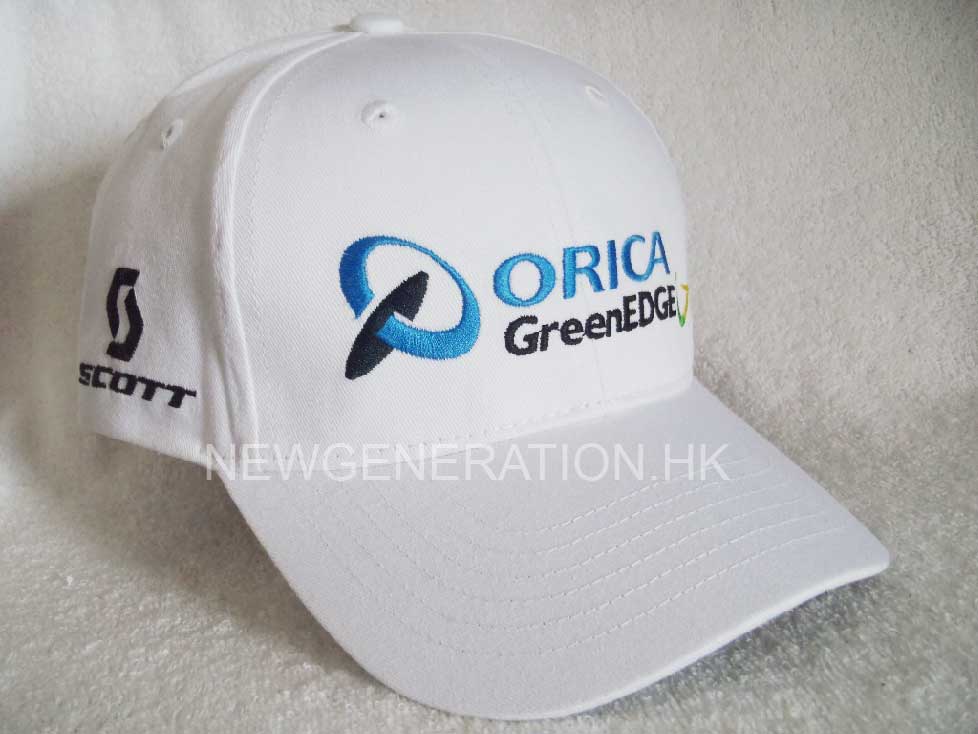
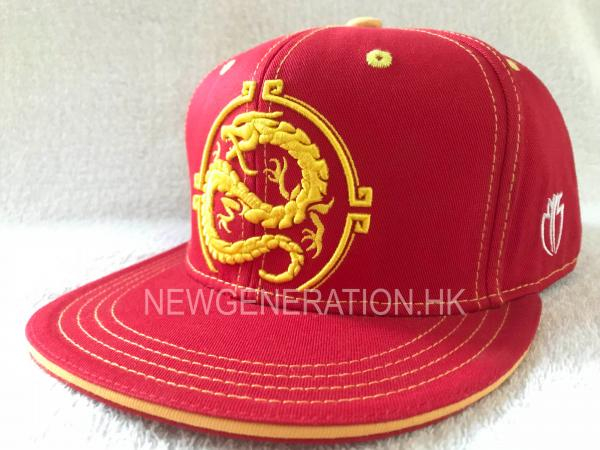
In this environment, the humble custom hat has quietly become one of the most strategic investments you can make. Not because it's flashy. Because it's tangible proof—in an increasingly polarized market—that your brand pays attention to details.
Let's break down what's actually happening in 2026 and what it means for your customized hats program.
The 2026 Reality: Two Economies, One Market
Here's the thing nobody tells you in the procurement meetings: the American economy is splitting in two. AI-driven sectors are booming—JPMorgan projects the S&P 500 could push above 8,000, driven by massive capital expenditures in tech. Meanwhile, traditional manufacturing, logistics, and small business sectors are feeling the squeeze.
What does this mean for your custom hat strategy?
Your customers and employees are living in different economic realities. The young engineer at an AI startup has different expectations than the seasoned warehouse manager. The luxury resort client wants something different than the industrial supplier. And here's the opportunity: a single, thoughtfully designed hat program can speak to both—if it's built on quality, not compromise.
A generic cap manufacturer pumping out cheap, forgettable promotional hats? That's a liability. A strategic partner who understands material selection, fit precision, and brand storytelling? That's your 2026 competitive edge.
The AI Paradox: More Tech, More Need for Tangible Connection
Here's a paradox the headlines miss: as AI reshapes industries—Morgan Stanley predicts "transformative AI" will begin driving genuine economic shifts in 2026 —the craving for authentic, physical brand experiences actually intensifies.
Think about it. Your best clients are drowning in digital noise. Automated emails. Algorithm-generated content. AI-written proposals. Then they receive a beautifully crafted customized hat from your team. The weight of it. The precision of the embroidery. The thoughtful hat design that goes beyond a slapped-on logo.
That moment? No algorithm can replicate it.
This is why custom hats are experiencing a renaissance in 2026. They're an antidote to digital fatigue. They're wearable proof that your brand still invests in craftsmanship, in details, in human connection.
The Supply Chain Reckoning: Why Your Cap Manufacturer Choice Matters More Than Ever
Here's where it gets real for procurement. 2026 is seeing massive shifts in industrial policy. The U.S. is aggressively pursuing "supply chain security" and manufacturing resurgence. Japan just announced $550 billion in U.S. investments, with initial projects targeting energy, manufacturing, and critical minerals.
Translation: reliable, transparent supply chains are the new baseline.
When you're evaluating a cap factory partner, you're no longer just comparing prices. You're assessing:
- Supply chain stability: Can they guarantee consistent material sourcing in a volatile global environment?
- Production transparency: Do they offer traceability for materials and processes?
- Agility: Can they pivot quickly when your marketing team spots an opportunity?
A partner with deep material libraries, rigorous quality control, and proven logistics reliability isn't a vendor—they're a strategic asset protecting your brand from supply chain turbulence.
What 2026's Best Custom Hat Programs Look Like
Based on what I'm seeing across successful brands right now, here's the winning formula:
1. Material as Message
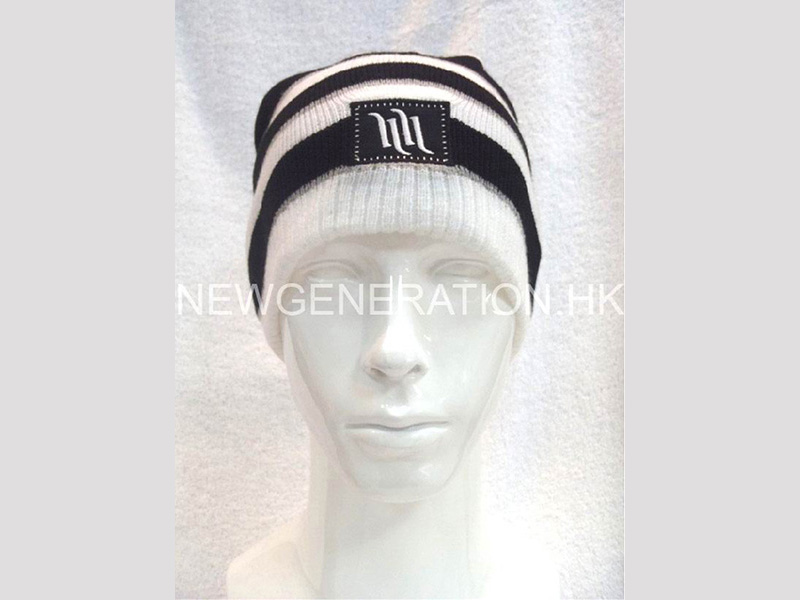
In a polarized economy, fabric choice signals values. Recycled polyesters and organic cottons tell sustainability stories. Premium wool blends for fisherman beanies signal heritage and quality. Technical performance fabrics for custom sports caps communicate innovation. Your hat design should start with: "What story does this material tell?"
2. Fit as Respect
Nothing says "we don't care about you" like a one-size-fits-none cap. The best programs in 2026 offer multiple fits, ergonomic considerations, and construction that prioritizes all-day comfort. This isn't an extra—it's baseline respect for your people.
3. Design with Intentionality
Logo-on-cap is table stakes. The brands winning in 2026 embed intentional details: interior messages, heritage stitching, subtle nods to company values. These aren't decorations—they're identity markers that turn a cap from merchandise into memorabilia.
4. Consistency Across Every Touchpoint
Your baseball caps for field staff. Your customize buckets hats for summer events. Your premium personalized hats for VIP clients. They should feel like part of the same family—same attention to detail, same quality ethos, same brand story. That's what a true headwear supplier partnership enables.
The Hard Truth About ROI
Let's talk numbers. A cheap hat costs $8, gets worn twice, ends up in a drawer. Cost-per-impression: terrible.
A premium customized hat costs $25, gets worn weekly for two years, becomes part of someone's identity. Cost-per-impression: unbeatable.
In the K-shaped economy, there's no middle ground. You either compete on price in the commodity space, or you compete on value in the premium space. For brands that care about their reputation, the choice is obvious.
Here's what I'd tell any procurement or marketing leader right now:
Stop treating hats as a line item. Start treating them as a brand investment.
The right cap manufacturer partner helps you navigate 2026's complexity—not just with production, but with insight. They ask the right questions. They push your hat design further. They ensure every cap that leaves your warehouse reflects the quality you actually stand for.
If your current program feels stuck in 2020, let's talk. I've got samples that'll surprise you. Materials you haven't seen. Design approaches that actually connect with today's fragmented audiences.
Because in 2026, the brands that win aren't the loudest. They're the most intentional.
Old friend, if you're thinking about refreshing your branded gear or just want to see what's possible with today's custom hat manufacturing, let me know. Always happy to share what I'm seeing across the industry.