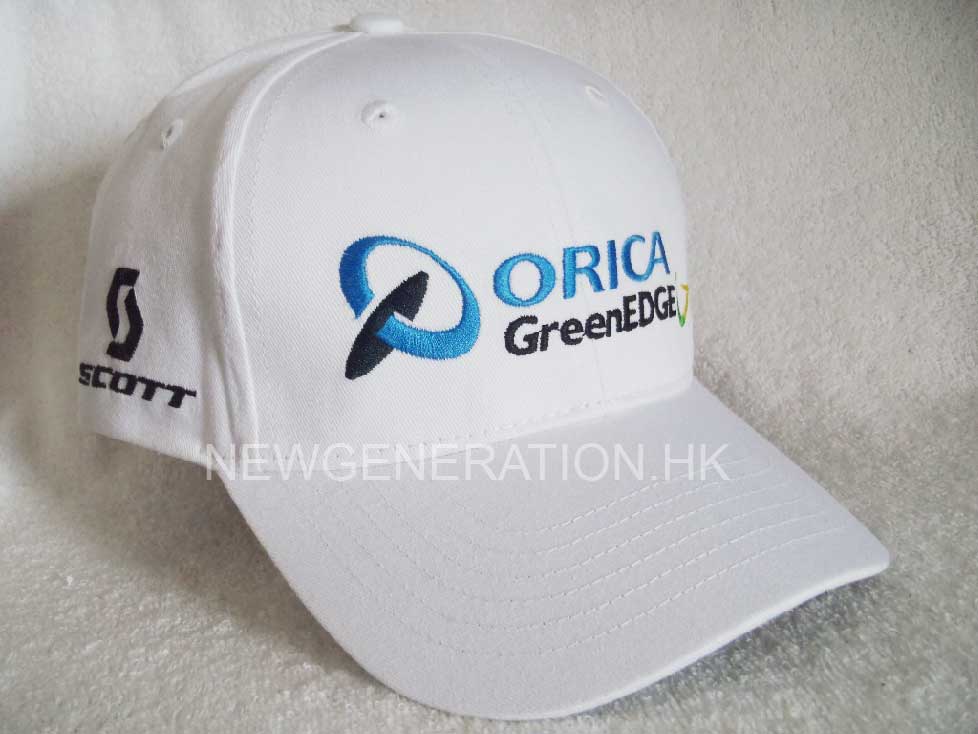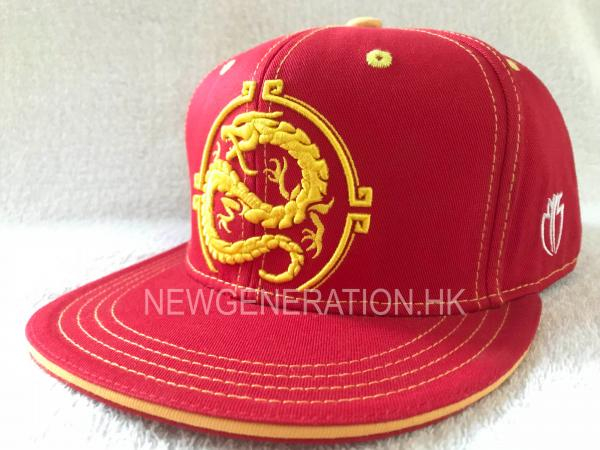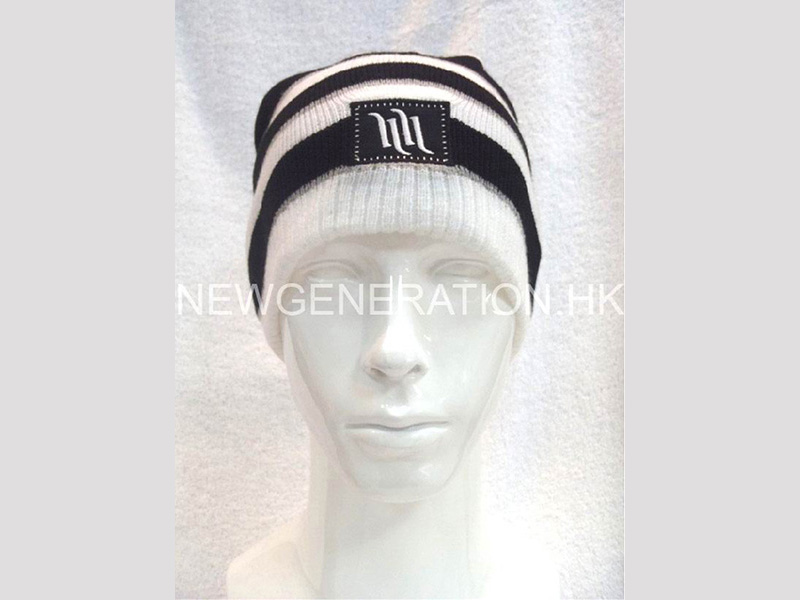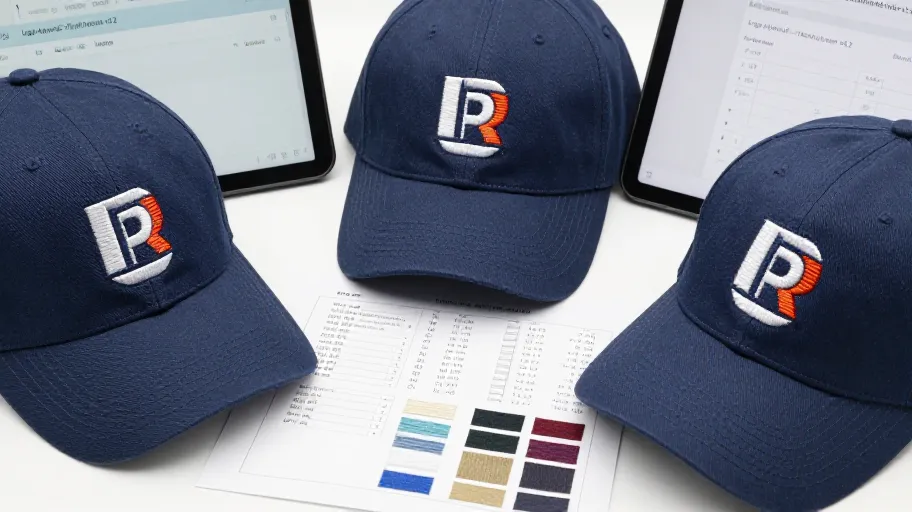
Buying custom embroidered hats with logo is a comparison exercise, not a single purchase decision. Serious buyers evaluate three things side by side: a written specification (hat construction plus embroidery method and placement), a physical or photographic sample that matches that spec, and a documented approval process that locks the design before production begins. Suppliers who cannot support all three in writing should be scored accordingly in your comparison.
Use SPEC-Check to compare suppliers on equal terms
When quotes from different Shenzhen and wider China suppliers arrive in different formats, comparison breaks down. SPEC-Check forces every supplier onto one page:
- S — Specification. Hat model, material, closure, sizing, colourway, logo file, embroidery technique, stitch coverage, placement and dimensions — all written into one spec sheet.
- P — Proof. A physical sample, or a photorealistic mock-up followed by a pre-production sample, tied to that spec sheet number.
- E — Evaluation. A fixed checklist you apply to every sample: stitch definition, colour match, placement symmetry, backing behaviour, fit and finish.
- C — Confirmation. A written approval (email or signed sample tag) that freezes the design, with any revision terms confirmed before mass production.
Suppliers are not comparable until each has responded to the same SPEC-Check document.
Decision table: matching embroidery approach to logo and order profile
This table helps you frame the comparison conversation. Every row still requires supplier confirmation of feasibility, cost implications and sampling terms.
| Logo / order profile | 2D flat embroidery | 3D puff embroidery | Appliqué / patch | Key question for the supplier |
|---|---|---|---|---|
| Fine text, small logo | Strong candidate for detail | Weak fit — thin lines distort | Depends on patch method | "What minimum letter height can you execute legibly?" |
| Bold block letters | Workable | Strong visual impact | Workable | "How do you stabilise puff height and edge definition?" |
| Multi-colour crest | Higher stitch count; confirm density | Limited colour layering | Strong candidate | "How do you match thread colour to my Pantone reference?" |
| Curved or seam-crossing placement | Requires precise hooping | Harder to control | Depends on construction | "How do you handle placement across panels or seams?" |
| Repeated corporate orders | Consistency is the question | Consistency is the question | Consistency is the question | "How do you ensure repeat orders match the approved master sample?" |
Do not treat any row above as a verdict. Use it to structure the questions you send each supplier, then document their answers.
What belongs on your spec sheet
A spec sheet is your comparison currency. For custom embroidered hats with logo, it should capture:
- Hat construction: model name/number, shell fabric and weight (as stated by the supplier), lining, sweatband, closure type, size range, and colour references (Pantone or supplier colour card code).
- Logo package: vector source file, exact artwork version, physical logo dimensions in writing, and placement reference (measured from a stated anchor point — ask the supplier which anchor they use).
- Embroidery definition: technique, thread type and colour codes, backing material, stitch direction for key elements, and any 3D elements.
- Approval artifacts: digitised file proof, mock-up, pre-production sample reference number, and the date and channel of your written approval.
Every numerical value in these four blocks must come from the supplier in writing. None can be assumed from past orders or from other buyers' experiences.
Sampling and approval: the questions that prevent disputes
The sample stage is where vague quotes become verifiable commitments. Before approving anything, get written answers to these questions:
- What sampling stages does the supplier offer (mock-up, proto, pre-production sample), and what does each stage cover?
- What is the current sample fee policy, freight arrangement and revision policy? Confirm directly — do not rely on listings, past conversations or assumptions.
- What turnaround applies to each sampling stage, and what happens if a revision is needed?
- Will the approved sample be retained as the master reference for production and for repeat orders?
- What inspection points will the supplier check against the approved master before shipment, and will they share photographic evidence?
- How are defects or deviations from the approved sample handled — what is the agreed remedy process, in writing?
A supplier's willingness to answer these questions precisely is itself comparison data. Vague answers at the sample stage predict vague accountability at the production stage.
Sample evaluation checklist
Apply the same checklist to every supplier's sample so your comparison stays honest:
- Sample matches the spec sheet reference number
- Logo placement matches agreed anchor measurement
- Thread colour matches the stated colour reference under daylight
- Stitch edges are clean; no visible backing beyond the logo
- Embroidery sits flat after handling; no puckering on the panel
- Hat construction matches quoted material and closure
- Interior finish (lining, sweatband, taping) as specified
- Approval documented in writing with revision terms confirmed
Three to five questions buyers ask before shortlisting a supplier
Should I compare custom embroidered hats with logo quotes on price alone?
No. A quote without a full spec sheet is not comparable. Two hats can share a photo and differ in fabric weight, lining, closure, thread type and stitch density. Build the SPEC-Check sheet first, then request quotes against it.
How do I judge embroidery quality remotely?
Request a macro photograph or physical sample of the digitised proof, then evaluate stitch definition, colour accuracy and edge cleanliness against your checklist. Confirm with the supplier which stage of proof you are receiving, and always approve a physical pre-production sample for a first order.
What file format does my logo need?
Ask the supplier directly which vector formats they accept and what their digitising process is — including who owns the digitised file and whether it is retained for repeat orders. Document the answer, because repeat-order consistency depends on it.
Can I order multiple colourways of one logo?
Most construction programmes can accommodate colourways, but thread availability and minimums per colourway are supplier-specific. Ask each supplier to confirm per-colourway feasibility and any impact on sampling before you commit the order.
How do I protect consistency across repeat corporate orders?
Retain an approved master sample, keep the spec sheet and digitised file references on record, and require the supplier to check production against the master with documented evidence before each shipment. Agree this process in writing before the first order.
Get the sourcing brief
Before your next round of supplier outreach, consolidate everything in this guide into one document. 获取采购 Brief — download the sourcing brief and use it to run your next custom embroidered hats with logo comparison on equal, documented terms.
Prefer to start smaller? Copy the sample evaluation checklist above into your next supplier email and see who answers it precisely. It takes minutes and tells you a great deal.
#cap manufacturers china, #headwear manufacturers china, #cap factory