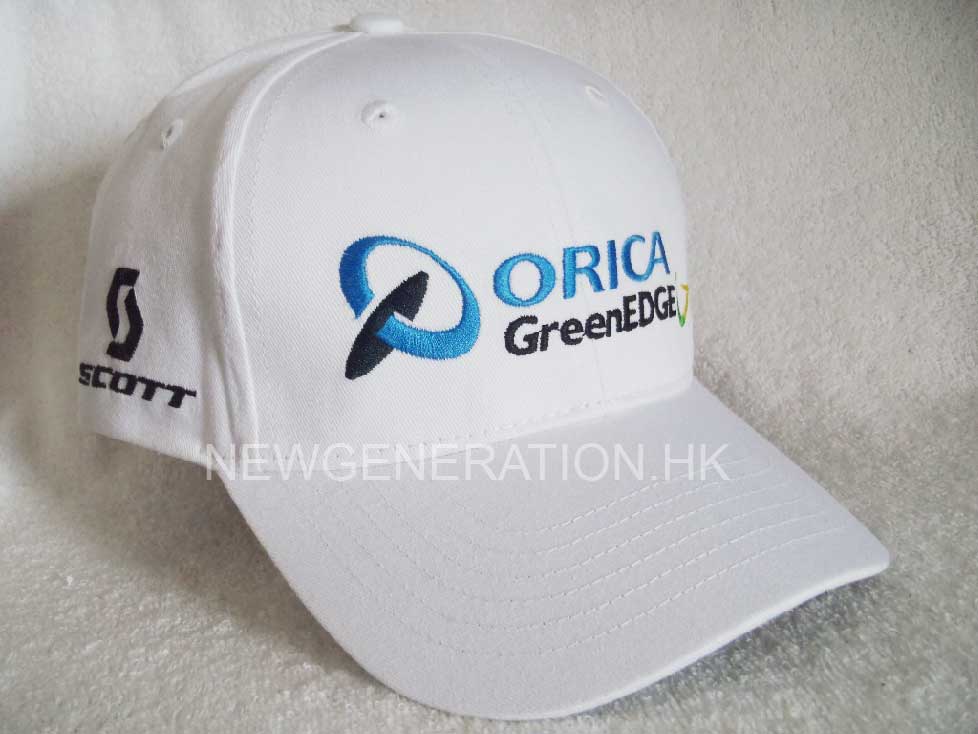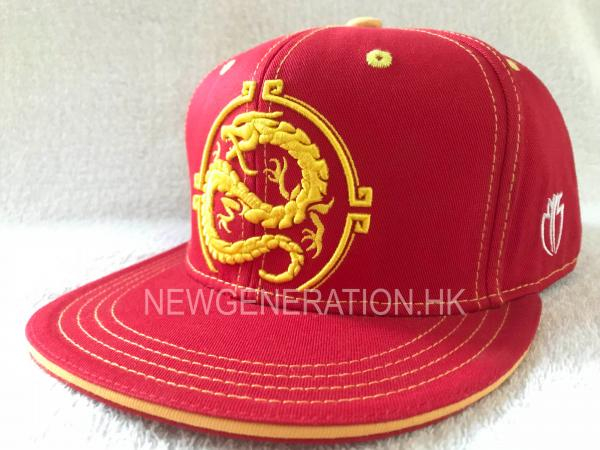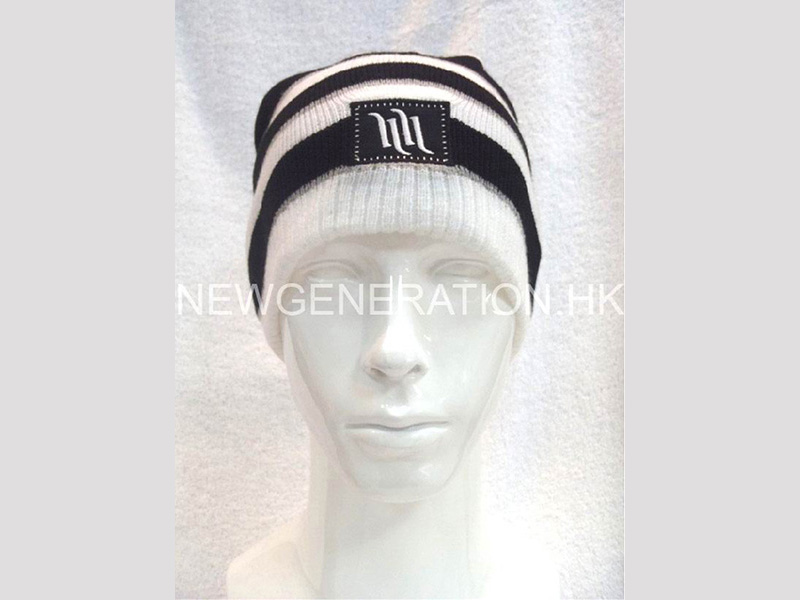

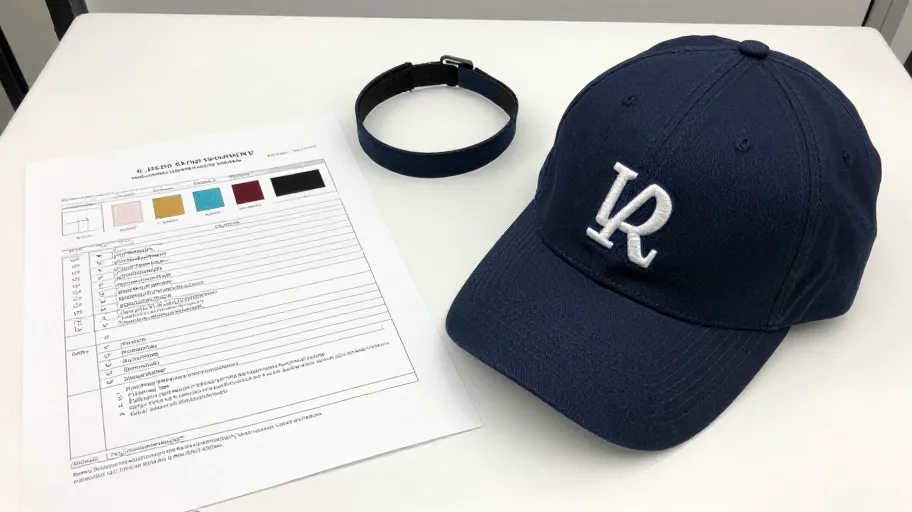
Buying custom hats for resale or corporate programmes succeeds or fails before production starts. Use the Spec–Sample–Approve (SSA) gate framework: first lock a written specification sheet, then require a physical or photographed sample that matches it, and only then issue a documented approval that references both. Each gate is a checkpoint you control; skipping one transfers risk to your brand, not your supplier.
Why specs, not price, decide custom hat projects
When importers and wholesalers compare custom hats from China, the comparison that matters is not the headline quotation. It is the precision of the specification behind it. A quotation written against a vague brief — "6-panel cap with logo" — leaves every critical variable open: material, construction method, decoration technique, colour reference, closure type, sweatband, and finishing. Two suppliers quoting the same vague brief are quoting two different products.
That is why the first gate in the SSA framework is the spec gate. Before requesting quotations, document:
- Panel construction and crown shape — 5-panel, 6-panel, structured or unstructured, high or low profile.
- Material and weight — fabric type, weave, and GSM or ounce weight, stated in writing.
- Colour references — Pantone codes or physical swatches, not descriptive words like "navy".
- Decoration method — embroidery (with stitch count target), screen print, heat transfer, woven label, patch, or a combination; front, sides, back, under-visor.
- Hardware and closure — eyelet style, button, sweatband material, closure type (e.g., snapback, strapback, fitted, elastic).
- Sizing and fit — head-size range or fitted-size ladder, with measurement points defined.
- Labelling and packaging — inner label, care label content, hangtag, fold method, polybag, carton markings.
Every item on this list becomes a line in your RFQ. Suppliers who answer in specifics give you something measurable; suppliers who answer in adjectives do not.
The three SSA gates in practice
Gate 1 — Spec gate. Your specification sheet is the single source of truth. Circulate it to candidate manufacturers and score their replies: a reply that asks clarifying questions is a better signal than one that quotes immediately.
Gate 2 — Sample gate. Ask for a sample produced against the spec sheet, and require the supplier to flag any deviation in writing. Photograph or measure the sample against the spec line by line. If the sample cannot match a specification line, decide consciously whether to revise the spec or the sample — never let the two drift apart silently.
Gate 3 — Approval gate. Your approval should be a written document that references the spec sheet version and the sample reference number, states any accepted deviations, and defines acceptance criteria for bulk production. This is what turns "the hats looked fine" into an auditable record.
Decision table: comparing suppliers at the sampling stage
| Evaluation criterion | Weak signal | Strong signal |
|---|---|---|
| Spec response | Quote without questions; adjectives instead of numbers | Clarifying questions; material and construction stated in writing |
| Sample traceability | Generic showroom sample | Sample made against your spec, with deviations declared |
| Colour control | "Close enough to your artwork" | Pantone reference or matched swatch confirmed in writing |
| Approval workflow | Verbal or chat-message "OK" | Written approval referencing spec version and sample ID |
| Deviation handling | Deviations discovered at inspection | Deviations flagged before shipment |
| Documentation | None beyond invoice | Spec sheet, sample photos, approval record, inspection criteria |
| Policy transparency | MOQ, sampling terms, lead times disclosed only after deposit | Current policies stated upfront in writing for you to verify |
Use this table as a scoring rubric across shortlisted manufacturers. The goal is not to find a "best" supplier from an article — it is to compare documented responses and make your own evidence-based selection.
Approval questions to put in writing
Before you approve any sample or issue a purchase order, get written answers to these questions. Do not rely on summaries from sales conversations.
Sample and pilot questions
- Will the sample be produced against my specification sheet, and will deviations be declared in writing?
- What is your current sample policy — cost, sampling timeline, and whether any sample charge applies to bulk orders? Confirm the current terms directly.
- What is your current minimum order quantity for this construction and decoration method, and does it differ for a pilot run? Confirm per project.
- What is your current production lead time from approval to ex-factory, and what factors could change it?
Production and quality questions
- What inspection standard will apply to bulk — what acceptance quality limits, and at which stages (inline and final) does inspection occur?
- What happens if bulk goods deviate from the approved sample — what is the correction or remedy process, and where is it documented?
- Which third-party tests or certifications can you support for this product, and can you provide current evidence? Verify any certificate you intend to rely on.
- What is your current policy on reworks, replacements, and returns for quality deviations? Confirm the current terms directly.
- How will bulk be packed and carton-marked, and can packing follow my brand's requirements?
- Who is my point of contact during production, and how will progress be reported?
No article — including this one — can answer questions 2, 3, 4, 8 or 9 for you. Policies differ by supplier and change over time. The sourcing skill is not knowing the answers; it is getting them in writing before money moves.
Small-batch pilots: ask, don't assume
Buyers searching for small-batch custom caps are, in effect, running an SSA cycle at reduced scale. The right approach is identical: lock the spec, gate the sample, approve in writing. What changes is the question list. Ask candidate suppliers:
- What is your current minimum for a first order, and does a smaller pilot change unit cost or timeline?
- Does a pilot run use the same production line and materials as bulk, or different ones? Ask for this in writing.
- If the pilot is approved, will the approved pilot serve as the bulk reference sample?
These answers determine whether a pilot genuinely de-risks a bulk order or merely tests a different product. Verify rather than assume.
FAQ
Q: What should a custom hat spec sheet include at minimum? Construction, material and weight, colour references, decoration method and placement, closure and hardware, sizing, labelling and packaging. Every line should be verifiable against a physical sample.
Q: How do I compare custom hat quotes from different manufacturers? Only compare quotations issued against the same written specification. Quote against the SSA spec gate first, then compare the detail and traceability of each supplier's response using a decision table, not the headline price.
Q: Should I approve a sample by photo or only physically? Decide based on your risk tolerance and order value. A physical sample lets you verify weight, stitching, fit and finish; clear photographs may serve for repeat orders of a previously approved product. Whatever you choose, document the approval against the spec version and sample reference.
Q: Can I rely on a supplier's stated certifications? Ask for current evidence and verify it — check certificate scope, validity dates and that it covers your specific product. Treat any claim without documents as unconfirmed.
Q: How do I prevent disputes about bulk quality? Pre-agree written acceptance criteria — what deviation level is acceptable, how it is measured, and what remedy applies — and make bulk inspection reference the approved sample and spec sheet.
Next step
获取采购 Brief — request the sourcing brief to structure your next custom hats RFQ, or start today with a lower-commitment option: copy the spec checklist and approval questions above into your supplier email and score the replies. Either way, the first gate is written.
#cap manufacturers china, #headwear manufacturers china, #cap factory