


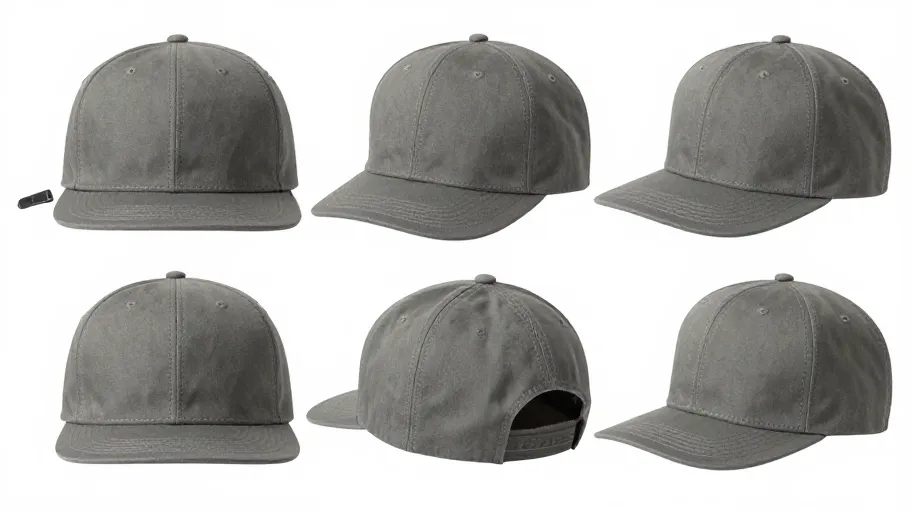
What is the G cap? A G cap is a style of structured six-panel baseball cap whose panels are sewn from triangular fabric segments called gores, giving the crown its shape and fit. In B2B sourcing the term matters less as a label and more as a specification: which gore geometry, materials and finishing details you approve before production begins.
If you source headwear from China, you will meet vocabulary like this across quotations and sample reviews. Different factories, regions and trade platforms use overlapping terms for similar constructions, and a term that means one thing to your design team may mean something different to the production floor. That is why a structured approach to specs, samples and approval protects your order far more than memorising terminology. This guide gives you both: a clear working definition and a framework you can apply to any custom cap project, including one placed with New Generation or any other manufacturer you are evaluating.
Why terminology confusion is a real sourcing risk
- A quote arrived referencing a cap style the buyer cannot visualise, and they need to compare it against alternatives before responding.
- An internal stakeholder (a brand manager, a corporate-gifts buyer, a merchandiser) has asked for "the G cap" and procurement must translate that into a spec sheet.
- A sample has been received that does not match expectations, and the buyer suspects a terminology mismatch rather than a workmanship problem.
Each of these is a documentation problem before it is a production problem. The fix is the same in every case: convert the term into a written specification, get that specification confirmed in writing, and gate production behind a signed-off sample.
The 4-G Cap Approval Framework
Use this framework to move from first enquiry to approved production. It works whether you are sourcing a single promotional run or building a seasonal headwear line.
G1 — Geometry. Define the physical shape of the cap: number of panels, gore construction, crown height, brim shape and curvature, closure type (strapback, snapback, fitted, elastic) and any internal structure such as buckram or sweatband. Geometry determines silhouette, and silhouette is the single biggest driver of whether a sample "looks right" to a brand.
G2 — Grade. Specify materials and build quality: shell fabric and weight, embroidery or patch technique, thread counts where relevant, lining, hardware and labelling. Grade decisions should be documented, not assumed — "good quality" is not a specification.
G4 — Gate. The approval checkpoint itself. Define what constitutes an approved sample, who signs off, what documentation accompanies approval, and what happens if the production run must deviate. A gate you have not defined is a gate you cannot enforce.
Decision table: cap elements, options and questions to confirm
Use this table to build your spec sheet. The final column lists questions you should put directly to your supplier — including to New Generation — because the answers are project-specific and must be confirmed in writing.
| Cap element | Options to compare | Questions to confirm with the supplier |
|---|---|---|
| Crown construction | Structured vs unstructured; panel count; gore shape | Which construction matches our reference sample? Can you produce a digital mock-up before a physical sample? |
| Brim | Curved, flat, pre-curved degree of bend | How is the brim shape controlled between sample and bulk? |
| Closure | Strapback, snapback, fitted, elastic | What closure options suit our fabric choice and brand positioning? |
| Shell fabric | Cotton twill, polyester blends, specialty fabrics | Which fabric weights and compositions can you work with for this style? |
| Decoration | 3D embroidery, flat embroidery, woven patch, print | Which techniques suit our artwork at our intended size and placement? |
| Sweatband and lining | Cotton tape, mesh, unlined | What lining options are available for this construction? |
| Sample policy | Pre-production sample; sample revision rounds | What is your current sample policy, who arranges shipping, and how are revisions handled? |
| Order terms | Quantity, lead time, shipping terms | What are the current MOQ, lead time and shipping terms for this specification? |
None of the answers in that final column should be assumed. Sample fees, shipping responsibility, revision handling, quantities and timelines vary by project and by supplier, and the only reliable source is the supplier's current written confirmation.
Building a spec sheet that survives translation
A cap spec sheet that works across a language gap contains, at minimum:
- A named style reference with photos or sketches from every angle.
- A measurement sheet — crown height, brim length, circumference at relevant points — expressed as target dimensions rather than vague descriptors, with the acceptable tolerance range agreed explicitly with the supplier.
- Material callouts for each component: shell, visor, sweatband, closure, lining, labels.
- Artwork files in the formats the factory requests, with Pantone references for colour-critical branding.
- Packaging specification: polybag, hang tag, carton markings, folding method.
Send this sheet before asking for pricing. Quotes built on verbal descriptions are the most common source of later disagreement, because each party priced a slightly different product.
The sample gate: what to check before you approve
When your pre-production sample arrives, review it against the spec sheet systematically, not impressionistically. Check:
- Silhouette against your reference: crown height, panel alignment, brim curve.
- Materials against the spec sheet, component by component.
- Decoration: stitch density, colour match against your Pantone references, placement measurements.
- Closure and hardware function.
- Interior finishing: seams, sweatband attachment, label application.
- Packaging, if it forms part of the spec.
Photograph and document every observation, including anything you approve. Written approval — an email or signed document that states the sample is approved and becomes the production reference — is your strongest protection. If any element must change, record the change, request a revised sample if the deviation is significant, and re-approve before bulk begins.
Approval questions to put to your supplier
Before any production commitment, ask these in writing and keep the answers on file:
- Will the bulk production be made on the same machines, with the same materials and the same operators' skill level as this sample?
- What is your current policy on sample fees and shipping arrangements, and how are sample revisions handled for this project?
- What in-process and final quality checks do you apply to this style, and what documentation do you provide?
- What are the current MOQ, production lead time and shipping terms for this exact specification?
- If bulk deviates from the approved sample, what is the agreed resolution process?
- Which certifications or test reports, if any, apply to the materials in this project, and can current documentation be provided?
Supplier answers to these questions are project-specific facts to be verified, not assumptions to be carried over from a previous order or another factory.
FAQ
Is "G cap" a standard term across all suppliers? Terminology varies between factories, platforms and regions. Rather than relying on the name, always work from photographs, measurements and material callouts. If a supplier uses a term you do not recognise, ask them to map it to a physical description or reference sample.
How many sample rounds should I plan for? That depends on your specification complexity and how much changes after the first sample. Plan your timeline and budget to accommodate revision rounds, and confirm with your supplier how revisions are handled for your specific project before starting.
Should I approve based on photos instead of a physical sample? Photos are useful for decoration placement and colour reference, but they cannot confirm fit, materials, finishing quality or construction. For any order where quality matters to your brand, request and review a physical pre-production sample and gate production behind written approval of it.
What documents should I keep on file for a custom cap order? At minimum: the spec sheet, artwork approvals, sample approval correspondence, and the supplier's written confirmations on quantities, lead times and shipping terms. These form the reference against which bulk production is checked.
Ready to brief your next cap project?
Getting from "what is the G cap?" to an approved, production-ready specification is a documentation exercise — and it is easier with a structured brief. New Generation, a Shenzhen-based OEM/ODM manufacturer of custom caps and headwear, works with overseas brands, importers, wholesalers and corporate buyers to turn style ideas into confirmed specifications, samples and production approvals.
获取采购 Brief — send us your project details and receive a structured sourcing brief covering the specification questions, sample steps and approval points relevant to your order, with current terms confirmed directly for your project.
Low-friction next step: before you request anything, run through this checklist —
- I have a written spec sheet with measurements, materials and artwork references
- I know which sample type I need before I can approve production
- I have listed my questions on sample policy, MOQ, lead time and shipping terms
- I have defined who approves the sample and what "approved" means in writing
- I know which documents I will keep on file
If any box is unticked, the sourcing brief above will help you close the gap. 获取采购 Brief to get started.
#cap manufacturers china, #headwear manufacturers china, #cap factory








