


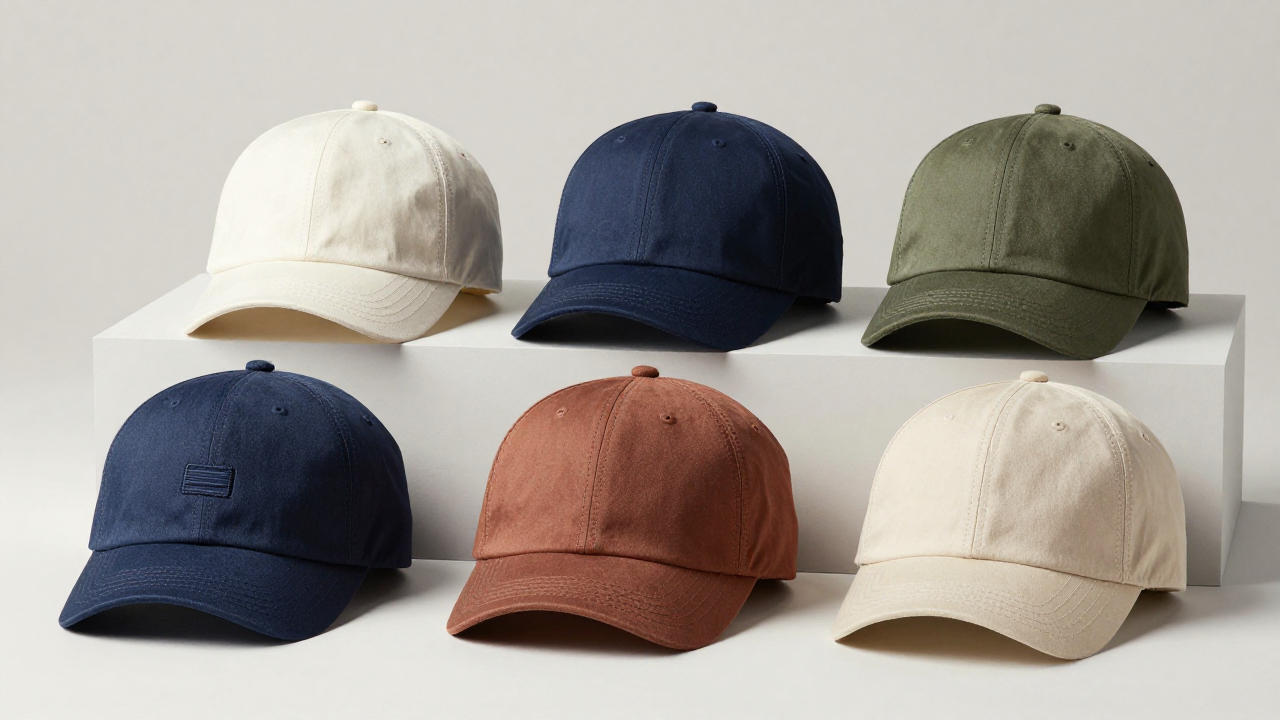
The most common mistake is treating sustainable materials and quality control as marketing add-ons rather than production specifications.…
A cap factory that switches to recycled fabric without re-engineering heat settings, stitch density, wash tests, and embroidery backing will ship hats that look fine in samples and fail in stores. That mistake costs more than any machine upgrade.
The Most Common Cap Factory Mistake
In 2026, U.S. buyers are writing sustainability clauses into purchase orders. They want recycled polyester, organic cotton twill, and documented factory audits. The problem is not the request. The problem is that many cap factories quote the order before they understand how the new material behaves on the line. We have learned this the expensive way.
The Most Expensive Blunder We Made with Recycled Polyester
Switching to recycled polyester without re-engineering heat and humidity controls cost us $1.2 million in 2022. The material behaves differently under brim lamination, embroidery, and shipping heat. A cap factory cannot treat rPET as a drop-in replacement for virgin polyester.
In March 2022, a Portland, Oregon outdoor brand placed a 48,000-unit order with us at newgeneration. They wanted 100% recycled polyester five-panel caps for a summer 2022 launch. We sourced rPET from a mill in Zhejiang. The mill gave us a heat history: fabric heat-set at 280°F. Our brim lamination press ran at 310°F. We did not run a full production trial at that temperature. We tested 50 samples. They passed.
The first 12,000 caps shipped in June 2022 from Shanghai to the Port of Long Beach. By August, the retailer had returned 8,400 units. The brims had warped and puckered. The sweatbands showed salt staining. We blamed the rPET resin. A third-party lab test showed the fabric was within spec. The real cause was our lamination temperature. The rPET shrank 4.7% more than virgin polyester at 310°F. That shrinkage pulled the brim out of shape after two weeks in a hot warehouse.
The cost broke down like this: $180,000 in retailer chargebacks, $75,000 in scrapped caps, $112,800 in air freight for 12,000 replacement units at $9.40 each, and a lost $600,000 reorder. We also spent 11 weeks of production capacity fixing the mess. Total damage: $1.2 million. The client left in October 2022. They came back in 2024, but only after we paid for a third-party audit.
What we changed: every recycled fabric lot now requires the supplier’s heat history, a 3-temperature lamination trial at 280°F, 300°F, and 320°F, a 72-hour ISO 105-E04 perspiration test, and 50 home laundry cycles. We also add 5% fabric overage for rPET orders. That overage costs money. It costs less than a $1.2 million recall.
What Does a Cap Factory Get Wrong About Quality Control?
The biggest QC mistake is sampling only the first and last pieces of a production run. Caps are cut, sewn, embroidered, and pressed across multiple shifts. Tension drift, thread lot changes, operator fatigue, and needle wear create defects in the middle of the run. Inspect the middle.
In September 2023, we ran 6,000 custom beanies for a U.S. promo distributor. The logo had a stitch density of 10,000 stitches. An operator changed thread tension after lunch. No one checked the middle of the run. By packing, 1,200 hats had birdnesting and loose threads. We caught it before shipping. The rework cost $18,000. The distributor missed Black Friday placement. We kept the account, but we lost the next two seasonal orders.
The fix is boring. We now use ANSI/ASQ Z1.4 with AQL 2.5 for final inspection. We check every 500 units inline for stitch density, thread tension, and colorfastness. Every fabric lot gets a heat transfer and screen printing compatibility test. Every embroidery machine gets a tension check at the start, middle, and end of each shift. That last check takes 90 seconds. It saved us from at least four bad runs in 2024.
Inventory Mismanagement in Custom Headwear
Inventory mismanagement happens when factories buy fabric on confirmed orders but ignore dye lot lead times. A cap factory can sit on 22,000 units of unusable black cotton twill because two dye lots do not match under retail lighting. The fabric is not defective. It is just the wrong shade.
In January 2024, we ran 22,000 black caps for a U.S. promo distributor. The spec called for Pantone 19-4008 TCX. We received two dye lots from the same mill. The Delta E between them was 2.8. Under warehouse light, they looked identical. Under store light, one lot looked green. We re-dyed the second lot at $1.10 per unit. That added $24,200 to a job with a 12% margin.
Now we track dye lots with a Delta E tolerance below 1.5. We hold 8 to 12 weeks of core fabric and 2 to 4 weeks of finished caps. We also qualify a second mill for every core material. Port delays in 2026 are not rare. A backup mill is cheaper than a missed ship date.
Underestimating Branding and Marketing for a Cap Manufacturer
Most cap factories lose margin by competing on price per piece instead of turnaround reliability. A headwear manufacturer that publishes lead times and late-ship penalties wins better accounts than one that quotes $0.20 lower. U.S. buyers pay for predictability.
In 2023, we lost a 30,000-unit order by $0.18 per hat. The winning factory missed the ship date by three weeks. The buyer called us in November 2023. They needed 12,000 caps before Christmas. We ran them at a 9% premium. That order taught us to stop bidding on price alone. We now publish standard lead times, MOQ tiers, and a late-ship credit. We also send a virtual sample with the buyer’s artwork before bulk production. It reduces back-and-forth and wins trust.
Failing to Adopt Technology in Cap Manufacturing
The technology gap that costs the most is data. A cap factory running 14 embroidery machines without OEE tracking will lose 30% capacity to undetected tension drift. Robots get the attention. Data prevents the loss.
In 2022, our machine #7 ran at 62% efficiency for seven months. We thought the issue was needle breaks. We replaced needles, adjusted speed, and retrained operators. Nothing worked. A $340 IoT tension sensor showed the real problem: sensor drift. The machine was running 8% slower than the panel display. We fixed it in one afternoon. The sensor paid for itself in 11 weeks.
We now track OEE on every embroidery machine and every cut-and-sew station. We also stock spare controllers. Semiconductor export restrictions in 2025 pushed controller lead times from 6 weeks to 14 weeks. That did not stop our sewing lines, but it delayed two automation upgrades. If you run a cap factory, check your spare parts inventory before you need it.
Checklist for Cap Factory Owners
Frequently Asked Questions
What is the most common mistake made by a cap factory?
The most common mistake is treating sustainability and quality control as marketing claims instead of production specs. A cap factory that switches to recycled fabric without retesting heat settings, stitch density, and wash performance will ship hats that fail in stores and lose repeat orders.
How much does poor quality control cost a cap factory?
Poor quality control typically costs 8% to 15% of order value in rework, air freight, chargebacks, and lost reorders. In our 2023 beanie order, a single tension drift on 6,000 units created $18,000 in rework and missed Black Friday delivery.
How do I choose a cap factory for custom hats?
Choose a cap factory that shares test reports, dye lot tolerances, inline inspection records, and U.S. buyer references before you place a bulk order. Confirm ANSI/ASQ Z1.4 AQL 2.5 sampling, and request a pre-production sample with your exact artwork and fabric.
Why do sustainable materials cause production problems?
Recycled polyester and recycled cotton vary more than virgin materials. Heat history, fiber length, shrinkage, and backing adhesion differ by lot. A cap factory must re-engineer lamination temperature, embroidery backing, and wash tests. Otherwise, brims warp and sweatbands fade after 50 wash cycles.
How long should a cap factory hold inventory?
A cap factory should hold 8 to 12 weeks of core fabric and 2 to 4 weeks of finished caps for repeat programs. Custom dye lots need longer coverage because U.S. retail buyers place reorders 6 to 8 weeks before Black Friday.








