
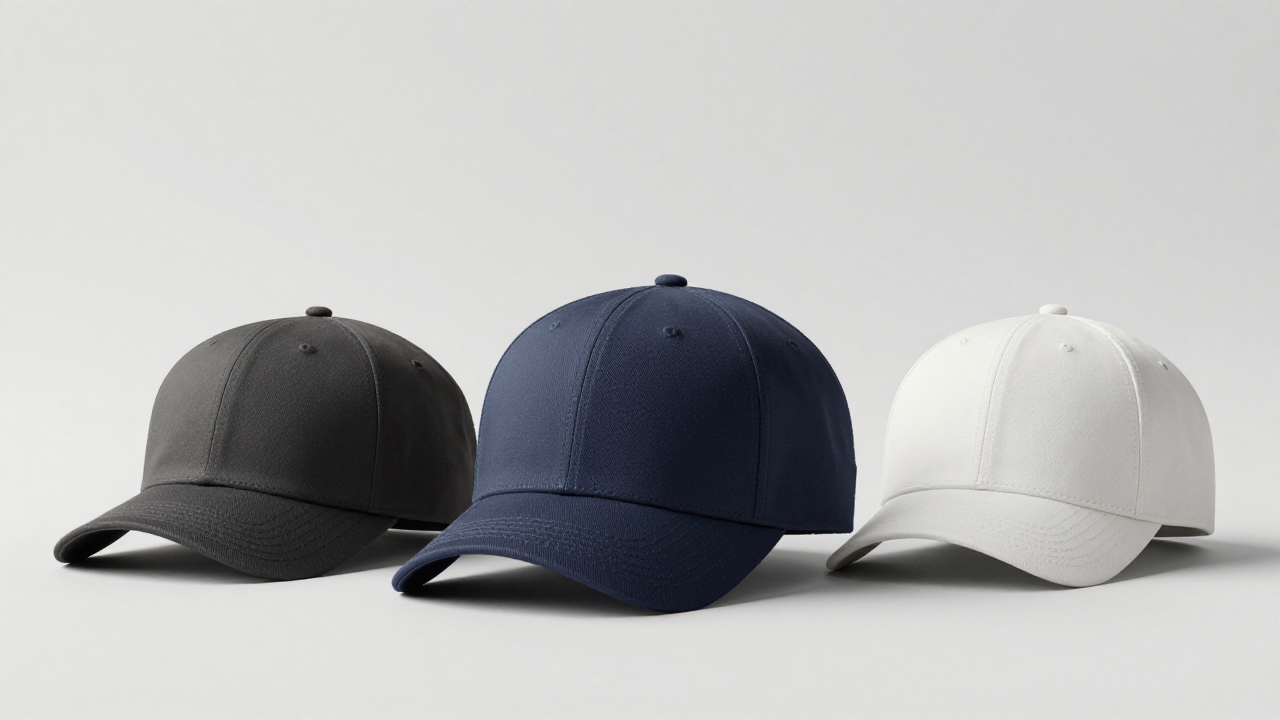
Overlooking quality control — specifically, approving a spec sheet in a conference room instead of cutting open a production sample and putting a caliper on it.…
That habit is the most common error buyers make with a cap factory, and it's the one that quietly empties budgets.
The mistake that costs the most money
I'll own our side of it first. In March 2021 we shipped 14,000 six-panel cotton twill caps to a collegiate bookstore account in Columbus, Ohio, split across three colorways. We had changed sweatband tape suppliers that February to hold a price. The new tape shrank at a different rate than the shell after three home launderings — something we learned afterward, because nobody ran an AATCC 61 wash test before the bulk run. 2,300 caps came back with rippled sweatbands and curled visors. The front embroidery had also crept up to 11,500 stitches on 8 oz twill because the buyer wanted a bigger crest; that puckered the panel. Remakes, air freight, and credit landed around $61,000 against a $96,000 order.
Why it gets skipped. Buyers audit what they can see — logo placement, Pantone match. Construction hides. Crown height, buckram stiffness, seam tape width, eyelet finish: none of that shows up in a photo, so nobody asks about it. What actually kills a cap in the wild. A dashboard in a Phoenix parking lot hits 160°F in July and delaminates a glued visor. A sweaty 5K pushes salt through a polyester sweatband for 40 minutes straight. AATCC 15, the perspiration colorfastness test, exists for that exact scenario, and I've seen maybe one in twenty purchase orders reference it by name. The fix costs almost nothing. A four-point pre-production audit: cut one cap from the bulk run and measure crown height and visor curvature against the approved sample; run a 3-wash test at 140°F; pull the sweatband seam and check stitches per inch (8–10 per inch holds, 6 slips); weight the shell — 10 oz cotton twill behaves very differently from 8 oz under a heavy front logo. Two days and one destroyed cap. Compare that to the $61,000.What a cap factory hears when you say "custom"
Most buyers mean "put my crest on the front." A cap factory hears crown height, panel count, closure type, and decoration method. The distance between those two readings is where customization money disappears.
Heat transfer vinyl on a nylon taslan shell delaminates around the 40-wash mark; screen printing on the same shell flexes and cracks at the panel seam. 3D puff embroidery at 6 mm holds beautifully on structured twill and puckers lightweight performance mesh into a golf ball. A hockey club sent us a crest in 2023 with 1.2 mm keylines in the lettering. Embroidery can't resolve under roughly 2 mm — the letters filled in and read as a blob from twenty feet, which is exactly the distance fans view them from.
The cheap fix is upstream. Ask for vector art plus one physical reference cap the client already likes. Re-digitizing a logo costs $75–$150. Re-cutting and re-sewing panels on a 3,000-unit run does not.
One silhouette does not cover every sport
A running cap should come in under 60 grams, pack into a pocket, and carry UPF 50+ on the shell. A cycling cap wants a short visor and ear coverage for cold mornings. Golf wants a structured front and a moisture-wicking band. Sell the same unstructured five-panel to all three and you'll get returns from two of them.
The trend wave that drowned a lot of inventory
Headwear trend cycles run 18 to 30 months from first sighting to markdown, and production plus ocean freight eats four of those months before your goods leave the dock. The 2015–2017 snapback oversupply is the classic case: flat-brim inventory hit liquidation channels while buyers were still reordering. The dad-hat correction arrived in 2017 and stranded structured-crown molds. Truckers came back strong from 2023 into 2026, and I expect the foam-front correction to hit somewhere in late 2026 or 2027.
One thing buyers get wrong far more often than trends: licensed marks. A factory cannot legally embroider an NFL, NBA, MLB, or CLC-managed collegiate logo without the license holder's authorization, and cease-and-desist letters go to the brand that ordered the goods, not just the factory that ran them.
Nobody buys a cap from a homepage photo
Necessary but unglamorous: publish lead times with real numbers (sample 7–10 days, production 25–35 days, 30–35 days ocean to the West Coast), show the back and the inside of the cap, and state MOQ per colorway instead of hiding it behind a form. B2B buyers close on clarity, not on hero images.
Pre-order checklist
Frequently Asked Questions
How do I choose a cap factory for sports headwear?
Ask for three things: a wash-test report, a physical sample in the exact shell weight you're ordering, and references from buyers in your category. A cap factory that hesitates on any of those three is telling you something.
What is a typical MOQ for custom caps?
Most Chinese headwear manufacturers start at 300–500 pieces per colorway for stock fabric. Custom-milled fabric, custom jacquard, or metal closures push MOQ to 1,000–2,000 per colorway because of mill minimums on the raw material.
How long does custom cap production take?
Plan on 7–10 days for sampling, 25–35 days for bulk production, and 30–35 days ocean freight to a US West Coast port. Total door-to-door is usually 10–12 weeks, and that timeline includes the wash test.
Why do custom caps fail colorfastness tests?
Two causes dominate: reactive dyes fixed at the wrong temperature, and sweatbands made from a different dye lot than the shell. Perspiration is acidic and constant. Without an AATCC 15 check on the sweatband and shell together, color migration shows up in week two of wear.
What stitch density should a front logo use?
8,000–10,000 stitches handles a standard 3-inch crest on cotton twill. Above 12,000 stitches on lightweight fabric, the backing can't support the thread load and the panel puckers permanently. Scale the artwork down before you scale the stitch count up.