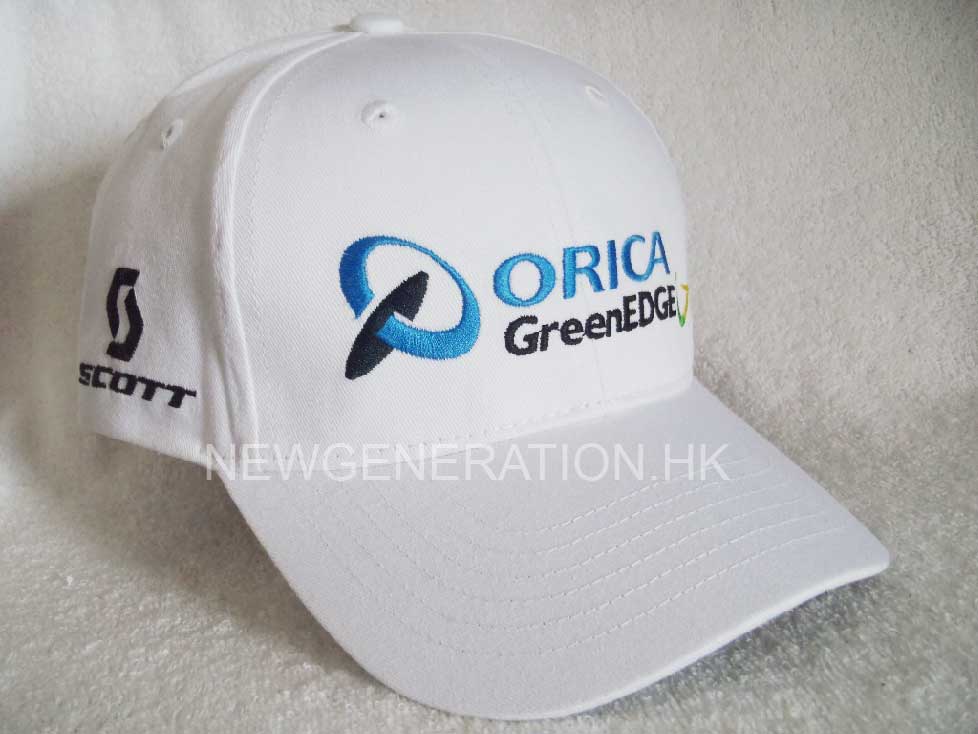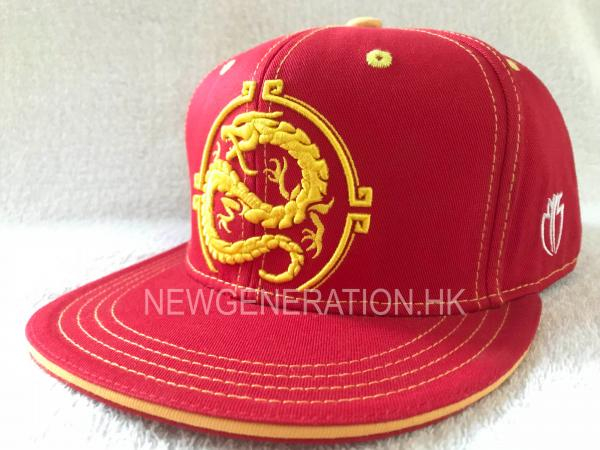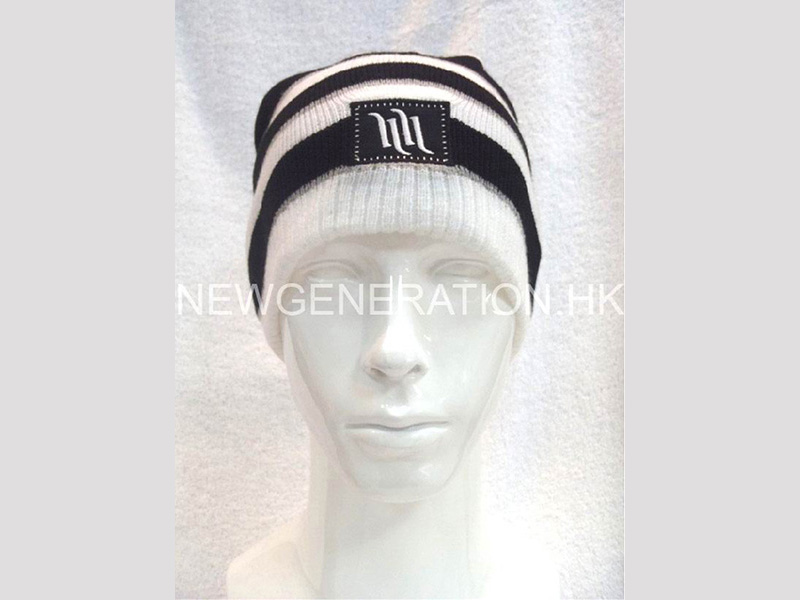


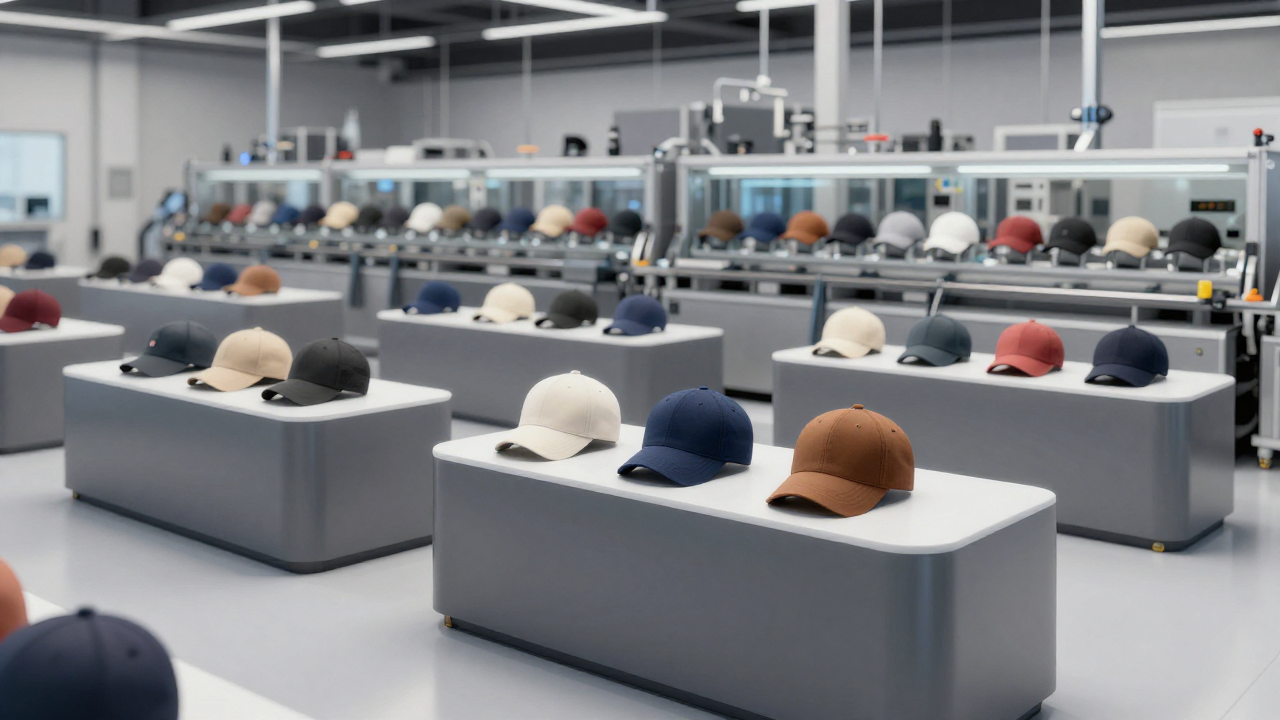
In the ever-evolving world of fashion and manufacturing, cap factories have seen a significant transformation. From traditional methods to modern innovations, the industry has come a long way.…
In the early 2000s, most cap factories relied on manual labor and basic machinery. By 2015, advancements in automation and digital design tools began to reshape the landscape. Today, we see a blend of high-tech equipment and sustainable practices that are setting new standards for quality and efficiency.
The Evolution of Cap Factories: A Brief History and Future Outlook
Key milestones include the introduction of 3D printing for prototype development in 2010, which drastically reduced the time and cost associated with creating new designs. Another pivotal moment was the widespread adoption of laser cutting technology in 2018, which improved precision and reduced material waste. These changes have not only enhanced productivity but also allowed for greater customization and flexibility in production.
Cutting-Edge Materials and Technologies in Cap Production
Sustainable fabrics are at the forefront of innovation in cap production. Eco-friendly materials like organic cotton, recycled polyester, and Tencel are becoming increasingly popular. According to a recent industry report, the use of sustainable materials in headwear manufacturing is expected to grow by 20% by 2026. These materials offer several benefits, including reduced environmental impact and improved comfort for the wearer.
Advanced manufacturing techniques and equipment are also playing a crucial role. For instance, the implementation of robotic sewing machines has increased production speed and consistency. In 2020, a leading headwear manufacturer reported a 30% increase in output after integrating these machines into their production line. Additionally, the use of AI and machine learning in quality control has led to a 15% reduction in defect rates, as per industry data.
Deep Dive into Leading Cap Factory Brands and Their Innovations
One brand that stands out is New Era. In 2022, they launched a new line of caps made from 100% recycled materials, which received high praise for both its environmental benefits and stylish design. This initiative not only aligned with consumer demand for sustainability but also set a new standard for the industry.
Another notable example is Flexfit, which introduced a new type of stretchable, moisture-wicking fabric in 2024. This material, known as "Flexcool," combines the comfort of a traditional flex-fit cap with advanced cooling properties. The result is a cap that is not only functional but also highly durable, making it a favorite among athletes and outdoor enthusiasts.
Expert Insights and Practical Tips for Cap Factory Success
Common mistakes in cap production often revolve around quality control and material selection. One frequent issue is the use of low-quality materials, which can lead to poor durability and customer dissatisfaction. In 2019, a client from Texas ordered 5,000 caps using a cheaper, non-branded fabric. Within three months, they reported a 20% return rate due to issues with color fading and seam tearing. To avoid this, always source materials from reputable suppliers and conduct thorough testing before mass production.
Best practices from industry leaders include investing in employee training and continuous process improvement. In 2023, a headwear manufacturer in California implemented a comprehensive training program for their production team, resulting in a 10% increase in overall efficiency. Regularly updating your equipment and staying informed about the latest trends and technologies is also essential. We, at New Generation, have found that regular audits and feedback loops help us stay ahead of the curve and maintain high standards.
Navigating the Future: Trends and Predictions for 2026 and Beyond
Emerging trends in cap design and manufacturing include the integration of smart textiles and wearable technology. By 2026, we expect to see more caps equipped with features like UV protection, temperature regulation, and even embedded health monitoring sensors. These innovations will not only enhance the functionality of caps but also create new opportunities for product differentiation.
Strategic planning for long-term growth and sustainability involves a focus on both technological and environmental factors. Investing in renewable energy sources and reducing carbon footprint will be key. In 2025, a major apparel company announced plans to transition all their factories to solar power by 2027, setting a precedent for the industry. Similarly, adopting circular economy principles, such as recycling and upcycling, will be crucial for maintaining a competitive edge and meeting consumer expectations for responsible manufacturing.
By staying informed and proactive, cap manufacturers can navigate the evolving landscape and position themselves for success in 2026 and beyond.