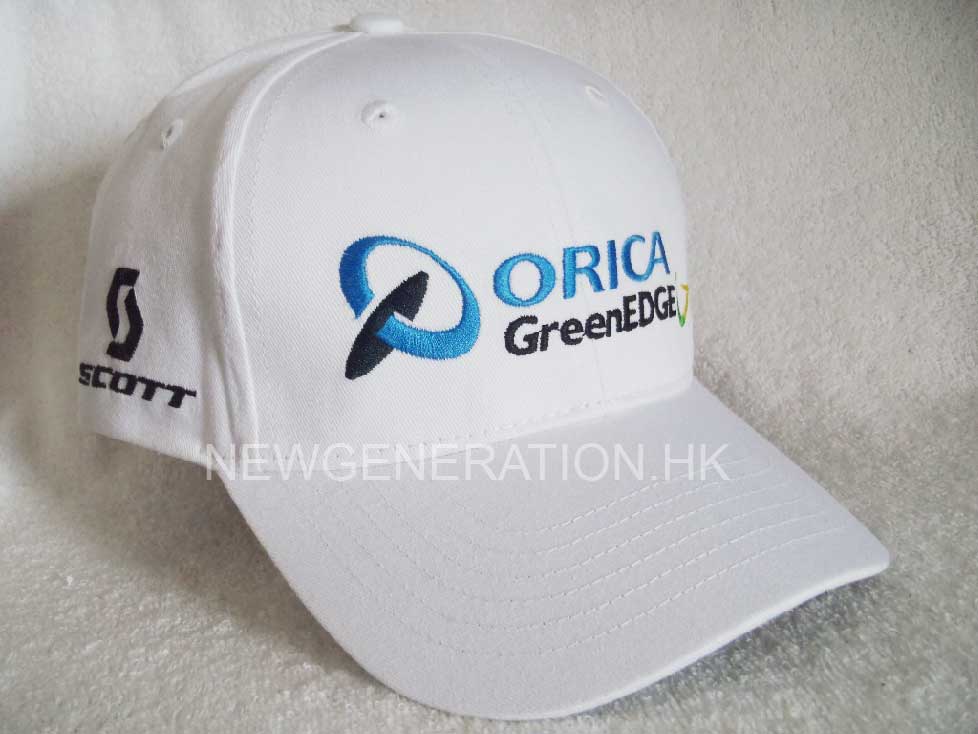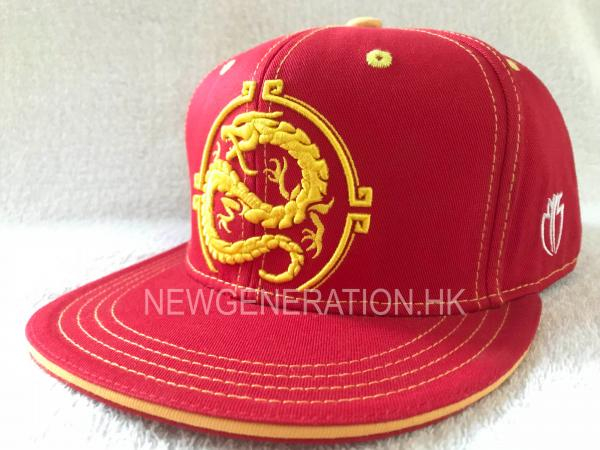


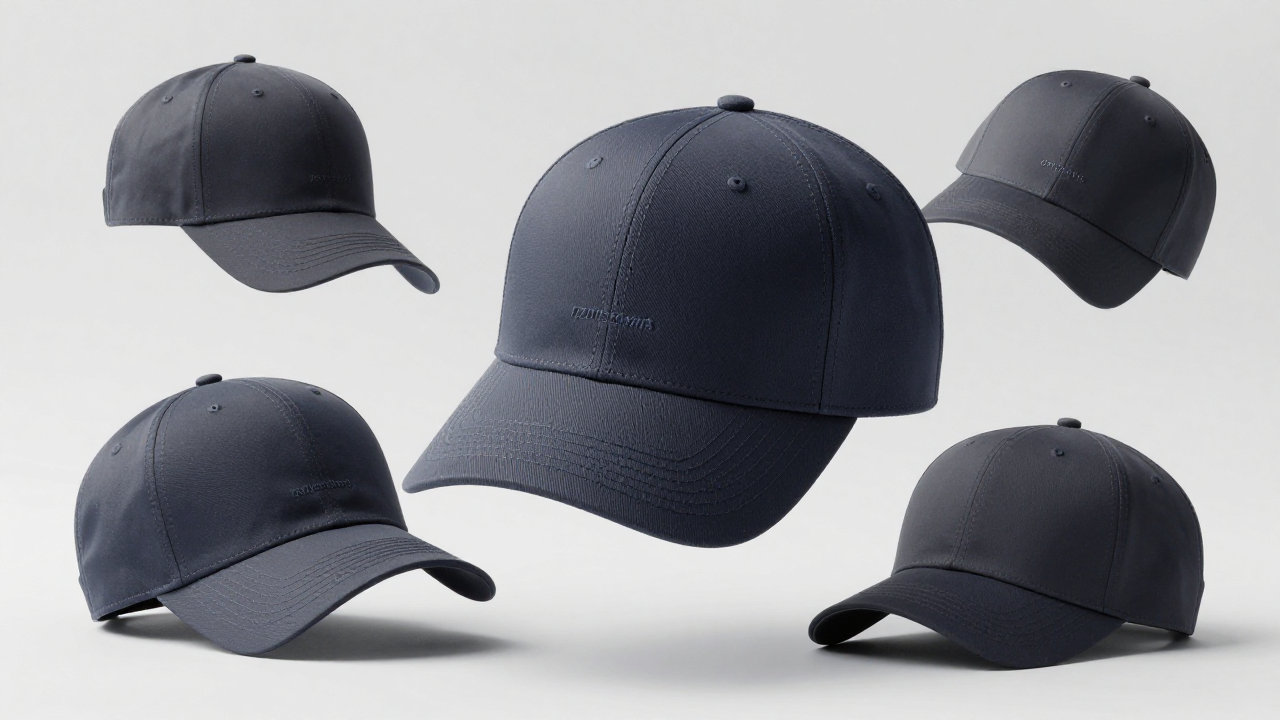
By September 2025, Ridgeway Goods had cut its landed cost per cap from $6.84 to $3.75 — a 45.2% reduction in 26 weeks, working with two cap manufacturers instead of four.…
No layoffs, no fabric downgrade, no shift to a cheaper factory tier. Two decisions did almost all of the work.
A 45% Cost Cut in Six Months Started With a Margin Problem Nobody Would Say Out Loud
Ridgeway Goods is a 31-person headwear brand in Denver, Colorado. In fiscal 2024 it shipped 341,000 units and booked $11.4 million in revenue. Gross margin sat at 38.1%. For DTC headwear brands in the $10–20M band, 52% is closer to normal. That gap is why Marisol Vance, Ridgeway's VP of supply chain, spent January 2025 rebuilding the sourcing model from scratch.
The constraints were real and they were annoying. Ridgeway owed retail commitments through Q3 2025 to a regional outdoor chain running 240 doors. Two SKUs sat under an exclusive fabric agreement that ran to 2027. There was no cash for a big inventory build, and no appetite for a service failure during the spring selling season.
What they had was 61 active SKUs, 11 purchase orders a year, and a Denver contract decorator charging $1.58 per hat.
The Two Decisions That Actually Moved the Number
The 45% came from pulling decoration onto the factory floor and consolidating four vendors into two. Straight FOB negotiation on blank caps delivered only 7.5% of the landed cost — the number every buyer stares at first is the smallest lever in the room.We opened with nine quotes from cap manufacturers across Guangdong, Zhejiang, and Binh Duong. The best factory-direct blank came in at $2.71 against Ridgeway's $3.22 importer price. That's $0.51 a unit, or 7.5% of the $6.84 landed baseline. Worth taking. Nowhere near the goal.
So we built a landed-cost model instead, mapping every dollar between the embroidery machine and the customer's doorstep. Two lines jumped out.
The first was decoration. Ridgeway was shipping blanks to Denver, then paying a decorator $1.58 per cap for flat embroidery and woven patches — with 5–7 day turnaround that regularly blew up launch dates. Moving that work to the factory cut it to $0.65. On 341,000 units, that single shift was worth $317,000 a year. The tradeoff: factory embroidery means the logo is committed before export. No more last-minute color changes three weeks before a drop. Ridgeway's design team hated that at first.
The second was vendor count. Four vendors meant four sets of tooling, four quality standards, four sets of freight consolidations. Cutting to two dropped MOQ pressure per colorway from 300 pieces to a committed 1,200, which unlocked a lower bracket on the price sheet, and let us standardize on a 5-panel and a 6-panel crown across 34 surviving SKUs. Ridgeway killed 27 styles. Two retail accounts grumbled for a month.
Where the Plan Broke and What We Changed Mid-Flight
The plan survived, but not in the shape we drew it. A duty increase ate $0.21 per unit, Vietnam turned out to be more expensive than assumed on FOB, and the first two offshore 3D puff runs failed outright. Each one forced a specific correction.April 2025 was ugly. Duty per unit on the cotton caps (HTS 6505.00.20) climbed from $0.31 in February to $0.61 by mid-May. Ridgeway had front-loaded 118,000 units in Q1 specifically to dodge that, which is why the blended freight-and-duty line in the final table only rose 28% instead of 60%.
Then Vietnam. We assumed Binh Duong would undercut Guangdong. It didn't. The same 5-panel blank quoted $1.94 in Vietnam against $1.79 in Dongguan — and the Vietnamese factory would not match the 12-day sampling turnaround. What Vietnam did offer was tariff insulation: the per-unit duty delta was $0.36 in Vietnam's favor. Net-net, those SKUs landed $0.19 cheaper. That's insurance, not arbitrage, and Ridgeway kept 34% of volume there for exactly that reason.
The 3D puff embroidery was the real humiliation. Our first two production runs came back with foam collapsing on about 11% of units after a single wash cycle. We'd specified 3mm foam out of habit. The fix was 2mm foam, two layers of cutaway backing instead of one, a tack-down stitch pass before the top stitch, and dropping the Tajima heads from 850 RPM to 700. Slower machines, cleaner crown. That adjustment cost us four days and saved the SKU.
Here's the one that surprised me most. We assumed factory embroidery would add 9 to 11 days to lead time. What we actually measured was +4 days in production and −9 days of Denver decoration turnaround. Net lead time fell by five days. Ridgeway's air expedites went from 19% of volume in 2024 to zero by August 2025.
What 45% Looks Like on a Spreadsheet
Total landed cost fell from $6.84 to $3.75 per unit between Q4 2024 and September 2025, a 45.2% reduction worth $1.05 million a year on 341,000 units. Gross margin moved from 38.1% to 54.6%. The FOB line looks like it barely moved because it now carries $0.65 of embroidery that used to sit on a $1.58 line of its own.Two honest caveats. Roughly $0.21 per unit of the gain came from tariff timing luck — the Q1 front-load — and won't repeat. Strip it out and the structural cut is 42.1%. Also, the $0.65 embroidery rate only works at Ridgeway's volume. Below about 80,000 units a year, factory embroidery pricing drifts back toward $0.95 and the whole case weakens.
Inventory turns went from 3.1 to 6.4, mostly because two vendors who know each other's capacity can absorb a spike without a panic order. Rework dropped from 4.1% to 1.2% after we put a QIMA inspector on-site for the first 90 days of every new style.
How Do You Choose Between Cap Manufacturers in China and Vietnam?
For US headwear brands moving 100,000 to 500,000 units a year, the right structure in 2026 is two vendors in two countries, not one. China wins on embroidery capability, per-unit cost, and sampling speed. Vietnam wins on tariff exposure and shipment predictability. Single-sourcing is a bet on a factory never having a fire.Guangdong and Zhejiang remain the only places where 3D puff, chenille patches, laser-cut applique, and multi-head Tajima or Barudan embroidery live under one roof. If your product has visible decoration, that capability is the product.
Vietnam's Binh Duong and Long An clusters handle basics well — 5-panel, 6-panel, plain knit beanies, screen print and heat transfer. Expect FOB to run 8–11% above Guangdong for identical specs, and expect a factory that wants 1,000+ pieces per colorway minimum.
One screening question separates real cap manufacturers from trading companies: ask to see a video of your embroidery file running on their machine, with a timestamp. Roughly a third of the "factories" quoted on Alibaba and Made-in-China subcontract decoration to a nearby shop. That's where your 3D puff goes to die. And always quote landed, never FOB — a $0.20 FOB advantage can vanish in one freight cycle.
What I'd Tell Any Headwear Buyer Walking Into 2026
Basic 5-panel FOB prices in China will rise 4–7% during 2026 as labor and energy costs climb, and Vietnam will narrow its gap to 5–7%. Brands that haven't moved decoration onto the factory floor by mid-2026 will be paying a structural $0.90-per-unit penalty that no negotiation can recover.Four things worth keeping:
Audit landed cost before you negotiate FOB. Ridgeway's FOB win was 7.5% of the total. The air freight and rework lines were worth 25% and nobody had ever opened them. Decoration is the line item almost no brand audits. It hides in a separate vendor, a separate invoice, and a separate department. It was the single largest saving in this case. Never approve 3D puff from a photo. First-article samples are for construction. Wash-test at least 12 units before you sign a production PO. Two vendors in two countries is insurance, not arbitrage. Vietnam cost more on FOB and still made sense. If you're choosing a country purely on unit price, you're reading half the spreadsheet.Frequently Asked Questions
What is a typical MOQ for custom cap manufacturers?
Most cap manufacturers in China and Vietnam quote a 300–500 piece minimum per colorway and 1,500–2,000 pieces per style. Below that, digitizing, screen setup, and fabric minimums push per-unit cost up 30–40%. Repeat orders on an existing style often drop to 250 pieces per colorway.
How much does a custom embroidered cap cost per unit in 2026?
Blank 5-panel and 6-panel caps run $1.60–$2.30 FOB from Chinese factories, with flat embroidery adding $0.45–$0.90. Chenille patches and 3D puff push that to $3.00–$3.90. Landed cost after freight and duty typically adds 30–45% on top of FOB.
How long does production take from a cap manufacturer in China?
Sampling runs 7–12 days. Bulk production on a repeat style takes 25–35 days, plus 30–38 days of ocean transit to Los Angeles. New styles with custom patches or unique closures add 10–15 days for tooling. Air freight cuts transit to 5–7 days at six to nine times the cost.
Why did moving embroidery offshore cut costs so much?
US contract decorators charge $1.50–$1.90 per decorated cap because their labor, rent, and rush-fee structure is built for short runs. Factory embroidery in Guangdong runs $0.55–$0.85 per cap because the machine operators are already on payroll. That gap was worth $0.93 per unit to Ridgeway Goods.
Do tariffs make Vietnam cheaper than China for caps?
On FOB, no — Vietnam runs 8–11% higher for identical construction. On landed cost, the duty gap of roughly $0.36 per unit usually outweighs the FOB penalty by about $0.19. Vietnam is a hedge against tariff policy, not a cheaper factory.