
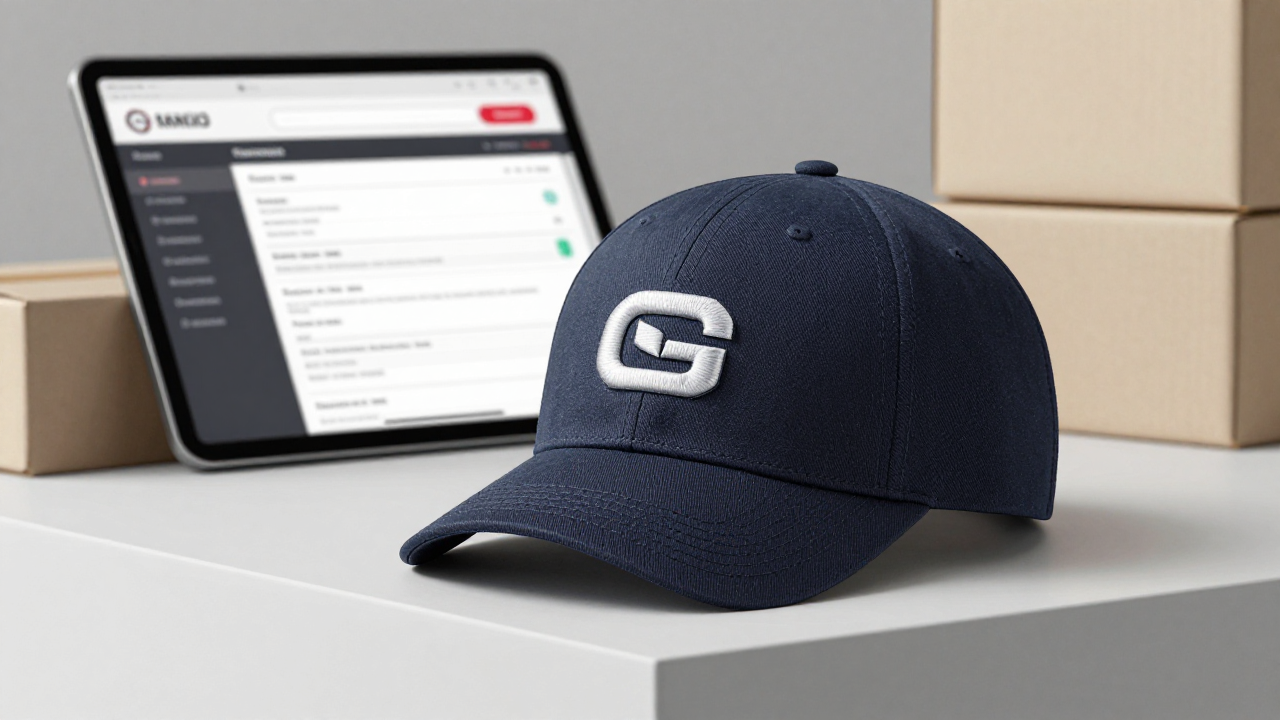
Pick a blank-cap supplier plus local decoration for fast, low-risk orders. Pick a low-MOQ private-label cap manufacturer for differentiated startup collections.…
Pick a full-custom factory for larger runs, unique construction, and lower unit economics at scale. MOQ, decoration complexity, quality control, lead time, landed cost, and reorder flexibility decide the right cap manufacturer. Published MOQs among cap manufacturers range from single units to roughly 50+ pieces, and unit pricing usually drops as volume rises. Style and customization can swing quotes more than volume alone.
Which Cap Manufacturer Fits Your Order
The three main routes are wholesale blanks plus a decorator, low-MOQ private label, and full-custom OEM. A decorated ready-made cap sits between the first two. Your order size, deadline, and risk tolerance point to one route. If you are testing a logo for a 5K run in Austin next month, do not start with a full-custom factory. If you are building a 12-SKU headwear line for a retail launch, do not rely on blank caps either.
Side-by-Side Comparison of Cap Manufacturing Options
The fastest comparison is by MOQ, unit cost, customization control, and migration difficulty. Blank plus decoration suits 12–500 units; low-MOQ private label suits 25–200; full-custom OEM suits 500+ or recurring programs. Unit pricing falls with volume, but setup, freight, and sampling can change the ranking.
The Compatibility Detail Most Buyers Miss
Decoration and construction compatibility decides whether a cap looks premium or cheap. Stitch density, fabric weight, crown structure, closure hardware, and artwork digitization interact. A 6-panel structured crown with buckram takes 3D puff embroidery better than an unstructured 5-panel. A 100% cotton twill at 8 oz holds shape; lightweight polyester may pucker under dense stitches.
In 2023, we tested a 3-inch left-chest logo at 9,200 stitches on a 6-panel cotton twill and a 5-panel lightweight poly. The cotton twill held shape after 20 washes. The poly showed needle holes and puckering at 12,000 stitches. That is why we ask for artwork digitization before quoting. A 3D puff logo often needs 12,000+ stitches plus foam, and that changes the crown you should buy. Closure hardware matters too: plastic snap versus metal buckle changes fit range and cost by $0.20–$0.60 per cap. (That $0.20 difference per cap adds up fast at 5,000 units.)
Option One for Speed and Low Commitment
Wholesale blank cap suppliers plus local decoration are the safest route for orders under 25 units, event deadlines, and logo tests. You buy stock SKUs such as Richardson 112, Yupoong 6606, or Flexfit 6277 from SanMar, S&S Activewear, or Alphabroder, then send them to a decorator. Lead time is days, not weeks.
Best fit: promotional orders, team merchandise, events, testing a logo, and orders below a full production run. Boundaries and drawbacks: limited silhouette ownership, competing with identical blanks, decoration constraints, and weaker private-label differentiation. If two brands use the same Richardson 112, only embroidery separates them. Structured front panels limit patch size. Mesh backs cannot take dense embroidery. A $3–$8 blank can become an $8–$18 decorated cap, and rush fees of $50–$150 are common. You get speed and low risk, but you do not get a product you own.
Option Two for Emerging Brands
Low-MOQ private-label cap manufacturers fit emerging brands that need 25–200 branded units without tooling. You control fabric, color, logo placement, embroidery or patches, woven labels, packaging, and selected fit details. Unit cost is higher at small volume, but you get differentiation, retail-ready labels, and a real reorder path.
Best fit: startup collections, boutique drops, limited editions, and brands that need labels and packaging beyond a logo. Boundaries and drawbacks: higher unit cost at small volumes, fewer tooling options, sample revision charges, and possible limits on exclusive patterns. We used to think MOQ was the main blocker. It is not. Thread color count and fabric mill minimums often kill a 100-piece program. At New Generation, our private-label line has run 120-piece drops since 2008; the sweet spot is 100–150 pieces per color. Sample revisions run $80–$200 each. Custom jacquard or performance mesh at 50 pieces is usually not realistic.
Option Three for Scale and Product Ownership
Full-custom cap factories suit established brands that need proprietary patterns, custom fabrics, specialized performance features, large replenishment orders, or stronger unit economics. Expect 500–1,000+ pieces per style and color, 45–90 days production, and $150–$500+ per sample round. Development cost is real, but unit cost can drop 20–35% at 1,000 units versus 100 units.
Best fit: brands with proven sell-through, recurring replenishment, and a technical pack ready. Boundaries and drawbacks: higher development cost, longer sampling, larger commitments, more complex technical files, and greater inventory exposure. You need a spec sheet, measurement sheet, bill of materials, color standards, artwork files, and packaging specs. If you commit to 5,000 units and sell 2,000, you eat storage. Custom tooling for embroidery tape, logo molds, and woven label dies adds cost and time. The upside is product ownership and better margins at scale.
How to Compare Named Cap Manufacturers
Build a vendor shortlist by role, not by brand name. You need a blank supplier, a decorator, a private-label producer, and a full-custom OEM. Score each on MOQ, sample policy, decoration capability, domestic versus overseas production, compliance, capacity, inspection process, and reorder reliability. A named brand means little without those numbers.
Compliance is where many US buyers get burned. Ask for California Prop 65 testing, CPSIA if kids’ caps are involved, UFLPA cotton tracing, WRAP or BSCI audits, Sedex records, and ISO 9001. Domestic decorators move faster but cost more. Overseas factories cost less but add freight and communication lag. Ask for monthly output and peak-season capacity. We have seen factories quote 30 days, then deliver in 70 during Q3. Ask for last 12 months on-time rate. Ask who owns inspection: AQL 2.5 third-party inspection is worth the $250–$400.
Vetting a Cap Manufacturer From Quote to Production
Send a quote-ready brief before asking for price. Include cap style, target quantity, size range, fabric, color standard, artwork, decoration method, packaging, ship-to ZIP code, and target delivery date. Then validate a physical sample, measurement sheet, embroidery proof, color approval, tolerance limits, inspection plan, Incoterms, and remake policy before you pay a deposit.
A vague brief gets a fake low quote. Use Pantone TCX under D65 lighting, not office light. The measurement sheet should list crown height, bill length, circumference, and closure range. Tolerance should be ±3 mm on critical dimensions. Incoterms matter: FOB Shenzhen versus DDP Chicago changes who pays freight and duty. The remake policy must state who pays for defects and what proof is required. Document every approval in writing.
True Cost and Lead Time Analysis
Landed cost is product plus setup or digitization, sampling, labels, packaging, freight, duties, inspection, rush fees, and payment charges. A $7.50 FOB cap can land at $10.80 with $1.20 freight, 12% duty, $0.35 inspection, and $0.25 payment fees. Compare timelines by stage: artwork approval, sampling, revisions, production, quality inspection, freight, and fulfillment buffer.
In July 2021, a client from Oregon called at 3 a.m. about 12,000 trucker caps stuck at Long Beach. The caps were fine. The freight timing destroyed the drop. Sea freight from China to the US West Coast usually runs 25–35 days. Air freight runs 5–10 days but can add $2–$4 per cap. Duty can run 6–12% depending on classification and origin. Add 10–15% buffer for fulfillment. A cheap FOB quote with no freight plan is not a cheap cap.
Common Cap Manufacturing Mistakes
The most expensive mistakes are choosing by unit price, skipping a physical sample, ignoring fit grading, using unsuitable artwork, underestimating freight, and approving vague color standards. Each one can turn a $7 cap into a $15 problem. Experienced buyers use pilot runs, measurable acceptance criteria, defect photos, backup materials, documented approvals, and reorder checkpoints.
Which Cap Manufacturer Should You Choose
If you need fewer than 25 units or a fast event order, choose a blank-cap supplier with local or online decoration. If you need roughly 25–200 branded units, choose a low-MOQ private-label or decorated-cap provider. If you need a proprietary product, recurring replenishment, or several hundred units, choose a full-custom manufacturer. If compliance, domestic sourcing, or premium quality is mandatory, prioritize verified production capability over the lowest quote.
For order size under 25 units, start with blanks plus a decorator. For 25–200 units with custom branding, start with low-MOQ private label. For 500+ units or a proprietary pattern, start with full-custom OEM. For mandatory compliance or domestic sourcing, start with a verified factory, not the cheapest quote.
Frequently Asked Questions
These are the questions buyers send us before placing a cap order. The short answers below are written to stand alone. Use them to compare cap manufacturers, set budgets, and avoid deposit mistakes. If a supplier cannot answer these, move to the next vendor.
What is a realistic MOQ for custom caps?
Published MOQs range from 1 unit for blank caps to 50 pieces for low-MOQ private label and 500–1,000 pieces for full-custom OEM. The real MOQ is set by fabric, thread colors, labels, and whether the factory already stocks the crown, bill, and closure.
How much do custom caps cost?
Indicative unit costs run $3–$8 for blanks, $8–$18 decorated, $9–$20 private label at 100 pieces, and $6–$14 full custom at 1,000 pieces FOB. Landed cost adds freight, duty, inspection, setup, and payment fees, often $1.50–$3.50 per cap.
How long does cap production take?
Blank plus decoration ships in 2–10 days. Low-MOQ private label takes 15–30 production days plus freight. Full-custom OEM takes 45–90 days because sampling, fabric, and tooling add stages. Add 10–15% buffer for peak season and port delays.
How do I choose a cap manufacturer?
Match order size first. Under 25 units, use blanks plus a decorator. For 25–200 units, use low-MOQ private label. For 500+ units, use full-custom OEM. Then verify physical samples, QC process, compliance, and reorder lead time before paying a deposit.
What is the difference between a cap manufacturer, wholesale supplier, decorator, private-label producer, and OEM factory?
A wholesale supplier sells stock blanks. A decorator adds embroidery or print. A private-label producer puts your label on a mostly existing build. An OEM factory builds to your pattern, fabric, and specs. Some companies wear several hats, so ask which role they actually own.