

What to ask when a supplier suggests a change
Never approve a material substitution without verifying performance, compliance, and real cost impact. A U.S.-based lifestyle brand recently dodged a major issue when their overseas factory proposed swapping premium cotton twill for a synthetic blend, citing supply issues. The new fabric looked similar and was cheaper—but would have compromised breathability, dye consistency, and seam strength. That means customers would’ve paid a premium for a product that feels cheap and falls apart faster, because moisture management and structural integrity were degraded.
Cotton twill absorbs about 180% of its weight in sweat; most polyester blends manage only 60–70%. For active wear or hot climates, that means discomfort and odor buildup. Seam slippage is also 2.3 times more likely in lower-twist synthetic weaves, according to Hohenstein Institute textile tests. These aren’t minor differences—they’re functional failures waiting to happen. Yet brands still approve changes based on swatches alone. Don’t be one of them.
Why your Tech Pack is your best defense
The Baseball Cap Tech Pack isn’t just a reference—it’s your enforcement tool. When a factory proposes a change, the first question must be: Does this material meet every spec in the Tech Pack? That includes fiber content (e.g., 100% ring-spun cotton), thread count (minimum 120 TC), shrinkage tolerance (≤3%), colorfastness (≥4 on AATCC scale), and seam strength (≥8 lbs force).
One activewear brand skipped this step and accepted a ‘similar’ twill that failed laundering tests. Result: $220,000 in rejected goods and a delayed launch. A clear Tech Pack turns subjective opinions into objective pass/fail rules. It shifts the burden back to the supplier: if they want to change materials, they must prove equivalence—not just claim it. That means documented evidence, not marketing speak.
Free samples are non-negotiable
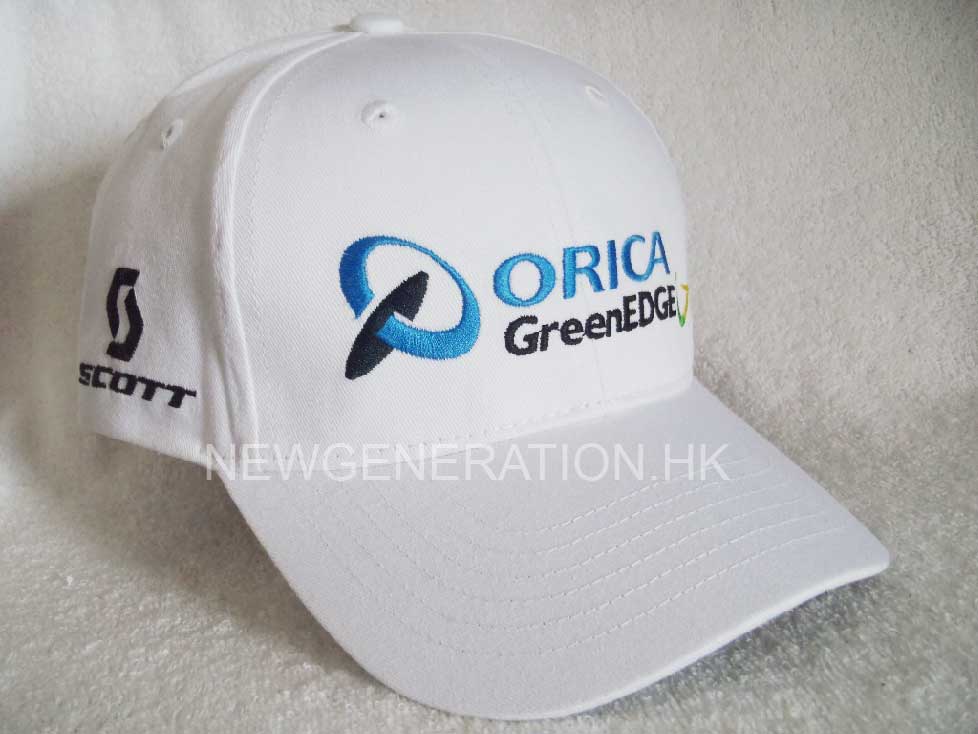
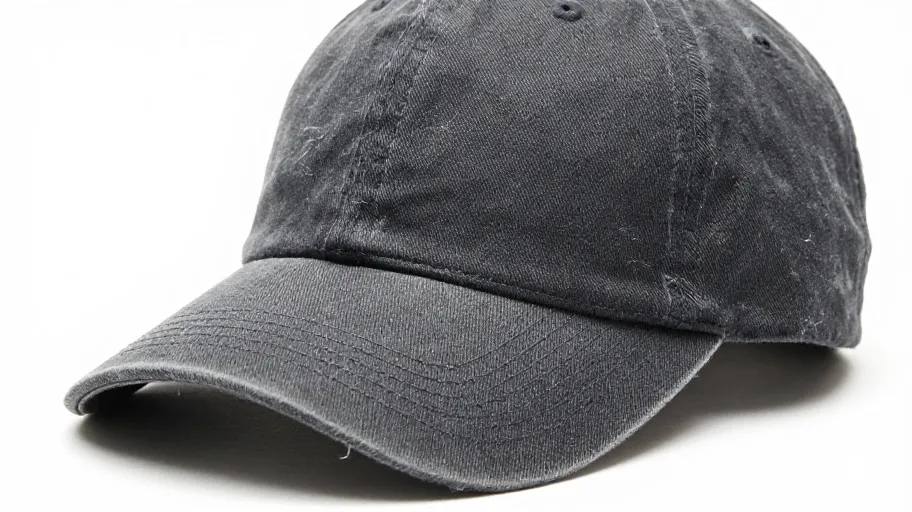
Specs and lab reports don’t tell the full story. You need physical validation—and that’s where free hats samples close the gap. A digital swatch can’t show how a cap feels after two hours in the sun or five washes in a home machine.
A heritage denim label once received approval for a recycled polyester-cotton blend that passed initial reviews. But when built into full prototypes, the crown panel was stiffer and embroidery tension uneven. Without sampling, those flaws would’ve scaled across 15,000 units. Instead, they caught it early, renegotiated, and preserved their signature soft-hand feel. Brands using structured sample testing report a 34% reduction in post-production corrections, per a 2024 McKinsey analysis. That means fewer delays, less waste, and higher customer satisfaction—because you’re catching problems before they become losses.
The real cost of 'cheap' swaps
A material switch might save $0.30 per unit upfront, but if return rates jump by just 5%, the net loss exceeds $1.20 per unit once you factor in reverse logistics, restocking, and service labor. Worse, one viral video of a cap unraveling after two washes can trash years of brand building.
Factories prioritize throughput and margin; you protect brand equity. Their incentives aren’t aligned with yours. That’s why every proposed change must be treated as a risk event. Demand three things before approval: (1) a full spec sheet matching the new material to your Tech Pack, (2) lab results for moisture management, abrasion resistance, and colorfastness, and (3) at least two free hats samples built to final specs—including embroidery and hardware. Only then can you test drape, stiffness, wash durability, and comfort under real conditions.
Build a resilient sourcing strategy
Brands that require Tech Pack alignment and physical sampling don’t just avoid disasters—they build audit-ready supply chains. Retailers like REI and Nordstrom now require documented trails for all material changes. Third-party auditors flag unverified substitutions as compliance risks, especially under ESG standards.
By institutionalizing this dual-check system, you turn reactive fixes into proactive control. This isn’t about slowing down—it’s about accelerating confidence. In Phase 3 of smart sourcing, that confidence translates to ROI: fewer rejections, lower waste, faster approvals, and stronger brand trust. Because in a market where authenticity sells, the feel of a cap should never be left to chance.
#cap manufacturers china, #headwear manufacturers china, #cap factory