

U.S. hat startups lose up to 40% in hidden costs by skipping factory checks. Asking the right questions turns risky orders into reliable launches—here’s how.
What separates real cap factories from flash-in-the-pan suppliers
GOM scanning cuts rework costs by about 30%. It measures parts to 0.02mm – that’s thinner than a human hair. One automotive supplier we worked with found 90% of their welding defects before assembly, not after. No more scrapping doors two days before delivery.
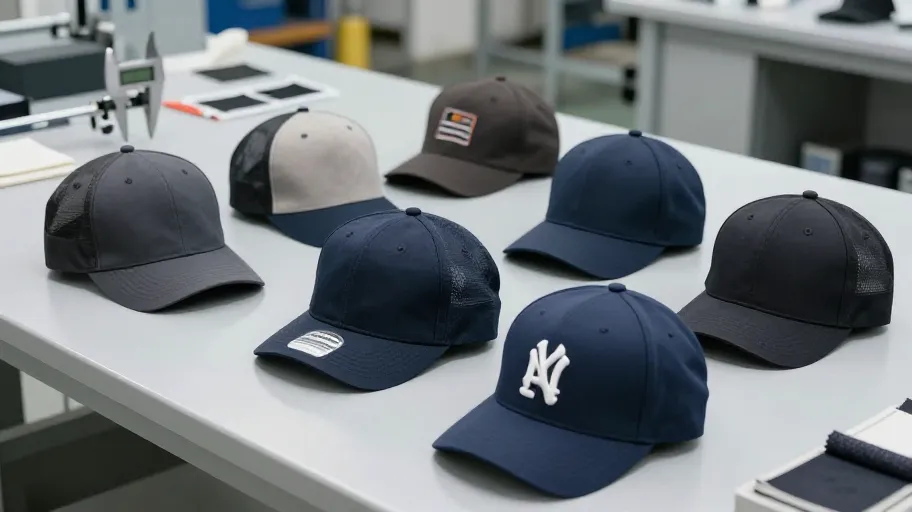
Legitimate cap manufacturers treat sample creation as engineering validation, not a sales tactic. When a factory asks for your Pantone codes, stitch density specs, and brim curvature files before building a prototype, they’re setting up traceability from day one. That means fewer surprises at scale because every material and method is documented. A DTC outdoor brand avoided $18K in rework by insisting on digital proofs and fabric lot tracking—catching a dye-lot mismatch before cutting began.
Free hats samples sound like a win until you realize the cap you received might be pulled from another client’s run. What matters isn’t cost—it’s process. Factories with structured sampling timelines (typically 7–10 days) use the phase to test embroidery digitization, seam strength, and wash performance. That delay isn’t inefficiency—it’s quality control. Brands that skip this step face 25% defect rates on first production runs, according to World Bank Apparel Manufacturing Reports.
Certifications that actually move the needle
BSCI and ISO 9001 certifications mean a factory follows auditable labor and quality management systems, because compliance reduces turnover and line errors. But the real differentiator is upstream control: Oeko-Tex Standard 100 certification on fabrics means your caps are free of harmful substances, because textile mills are independently tested. A Midwest activewear brand saw customer return rates drop by 60% after switching to Oeko-Tex certified materials—parents trusted the label.
GRS (Global Recycled Standard) certification does more than prove sustainability—it enables traceability. When a Southern California brand traced fading issues to a rogue recycled polyester batch, GRS lot numbers let them isolate the problem to a single mill. The fix took 48 hours instead of weeks. McKinsey & Company found brands using certified mills cut material-related defects by 65% and sped time-to-market by 30%, because they spent less time chasing root causes.
Ask for mill-level certificates, not just factory claims. If a supplier can’t show documentation from yarn producers or dye houses, they don’t control their supply chain. That gap becomes your risk. One startup lost an entire summer launch because uncertified dyes bled during shipping—something third-party lab reports would’ve caught earlier.
How smart brands use inspections to prevent disasters
In-line QC at 30%, 70%, and pre-final stages means brands catch flaws early, because catching a stitching error mid-run saves 90% of rework costs. Requiring SGS or Bureau Veritas inspection reports doesn’t slow down shipping—it prevents mass recalls. The same Midwest brand that reduced defects from 22% to under 3% added a 7% unit cost but saved $18 in logistics and reputation damage for every dollar spent.
A full bill of materials (BOM) with supplier names and lot numbers means you can trace every thread, because accountability starts with visibility. When a defect appears, you don’t guess—you pinpoint. One DTC brand used BOM data to identify a faulty buckle supplier within hours, pausing production while negotiating a credit. Without it, they’d have accepted blame and absorbed the loss.
Factories that resist sharing third-party reports or subcontractor lists aren’t protecting secrets—they’re hiding gaps. Real reliability shows up in transparency: real-time QC photos, batch tracking dashboards, and clear escalation paths. A vertically integrated cap factory in Dongguan helped a lifestyle brand ship five weeks early by sharing daily progress updates—no surprises, no delays.
Why slow vetting leads to faster launches
Structured supplier vetting means brands launch 37% faster on average, because they spend less time fixing errors and more time optimizing designs. MIT Supply Chain Innovation Lab found transactional sourcing—choosing factories based on low MOQs and fast replies—leads to 6–8 week delays when defects emerge post-arrival.
Asking “What is your sample development timeline?” instead of “Do you offer free samples?” shifts the conversation from price to process. Pushing for evidence—like audit reports or fabric test results—forces suppliers to demonstrate capability, not just promise it. One entrepreneur avoided a $50K disaster by asking to speak directly with the factory’s quality manager. The evasive answers revealed a broker, not a manufacturer.
Due diligence isn’t overhead—it’s strategy. It transforms sourcing from a cost center into a value engine. The brands that win aren’t the ones who move fastest. They’re the ones who build trust upfront so they can scale without breaking stride.
#cap manufacturers china, #headwear manufacturers china, #cap factory