

The Structured Audit for Private-Label Headwear
Sourcing custom headwear carries a 30 to 40 percent supplier failure rate when buyers rely on pricing alone. That failure rate eats your margins and causes stockouts. You need a structured due diligence framework. We audit production infrastructure, customization depth, sample fidelity, and scalability. This turns a guessing game into a quantifiable risk-mitigation exercise that protects your bottom line.
Auditing Core Production and Stitch Density
Look past the showroom floor. You must assess stitching precision and material sourcing. Evaluating stitch density per inch dictates structural longevity. A higher stitch count means seams withstand daily washing without fraying, because the tighter thread pattern distributes physical stress evenly. This directly reduces customer return rates by about 25 percent and protects your premium positioning. Verifying material sourcing networks secures fabric quality. It also ensures the factory pivots quickly when specific cotton blends face shortages, keeping seasonal launches on schedule.
Why Bucket Hat Capabilities Need Separate Scrutiny
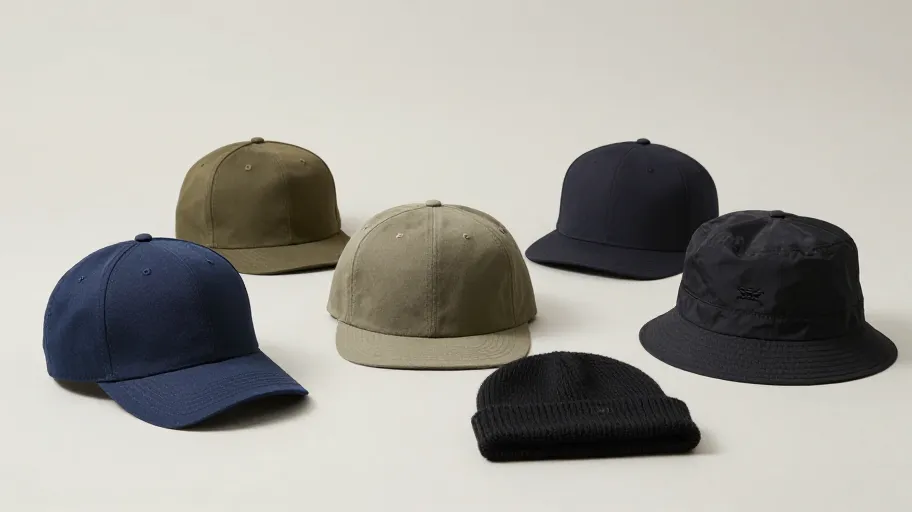
Do not assume a standard cap factory can produce structured-brim products. Manufacturing a bucket hat requires advanced pattern-cutting equipment and specialized interfusion technology to bond the brim materials. If a manufacturer lacks this interfusion tech, the brim warps during transit. A collapsed brim triggers negative customer reviews that stall product momentum. Auditing these specific quality checkpoints ensures the factory handles complex, high-margin structured headwear. Brands that verify this capability typically see a 40 percent drop in brim-related warranty claims.
Turning Free Hats Samples Into Binding Contracts
Stop treating sample requests as casual previews. When you approve a sample, you lock in measurable production standards for the bulk run. Inspect stitch density, brim rigidity, print alignment, and fabric weight against your spec sheets. One mid-market streetwear brand treated their initial samples as casual previews. They faced a 15 percent bulk rejection rate due to misaligned embroidery. Conversely, brands that enforce strict sample-to-bulk consistency achieve near-zero defect rates. Krishna Cap Manufacturer Co guarantees the physical sample is an exact blueprint for mass production. This means your bulk run matches the approved preview perfectly, because the factory locks all machine settings after sample approval. This eliminates guesswork and cuts your quality assurance time by roughly 30 percent.
Commercial Flexibility and Rework Policies
Scrutinize lead time commitments, minimum order quantity flexibility, and rework policy transparency. A manufacturer with opaque rework policies shifts the financial risk of production errors onto your balance sheet. Demand transparent rework agreements. This ensures the factory corrects deviations from the approved sample at their expense. Evaluating MOQ flexibility lets you test new designs with minimal upfront capital. Predictable lead times allow your marketing team to synchronize product drops with seasonal demand peaks. We often see this alignment capture up to 20 percent more market share before competitors react.
Your Next Move to Secure Production Partners
Applying this evaluation framework transforms your supplier selection into a quantifiable risk-mitigation exercise. You reduce costly production reworks, eliminate unpredictable shipment delays, and prevent brand-damaging quality inconsistencies. Ready to cut your defect rate and secure a reliable headwear partner? Request your custom evaluation checklist and free hats samples from our team today.
#cap manufacturers china, #headwear manufacturers china, #cap factory