
What’s really in a free cap sample
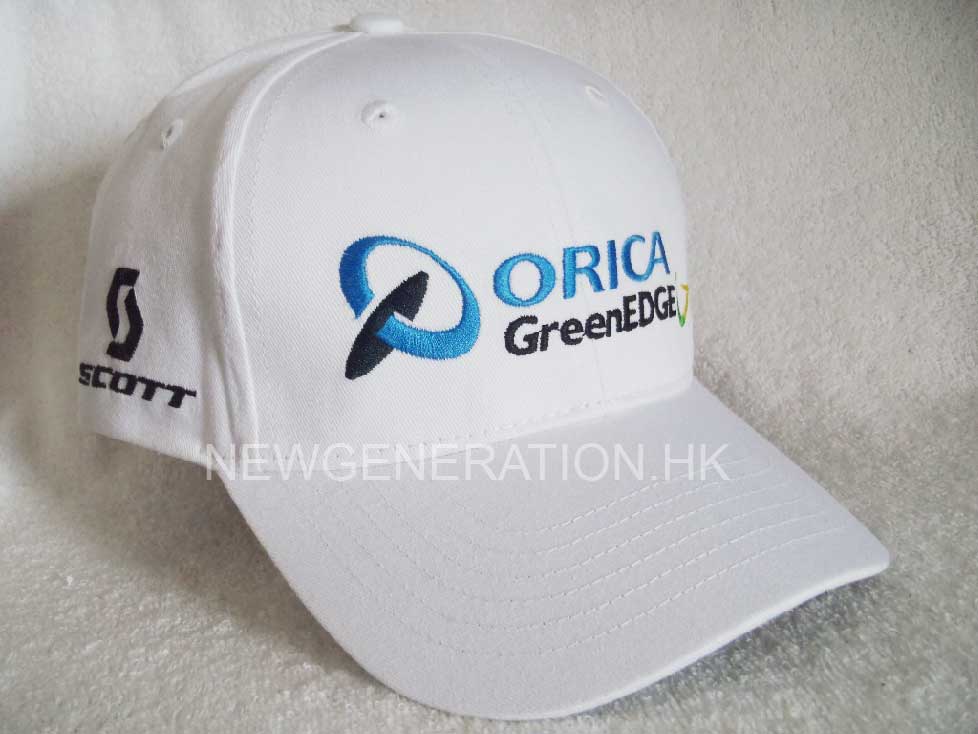
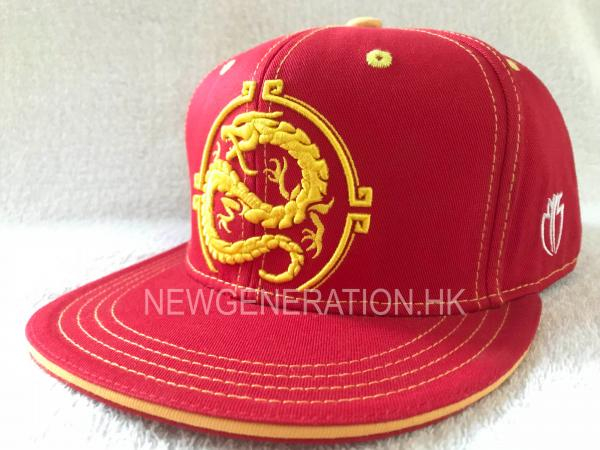
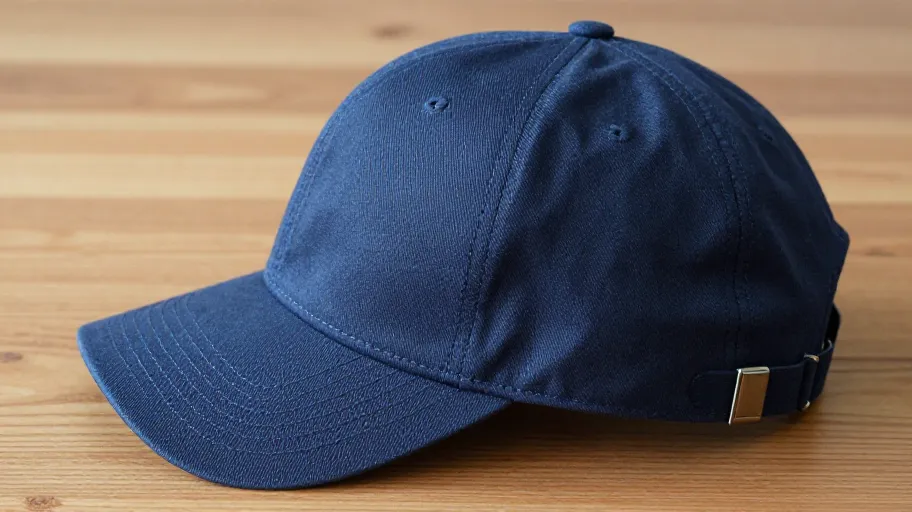
When a U.S. startup ordered a “free cap sample” from a factory in Guangdong, they expected a structured six-panel snapback with custom buckle and embroidered logo. What arrived was an unstructured navy hat—no branding, wrong fit, no embroidery. They weren’t scammed. They were just unclear.
Here’s the reality: most baseball cap manufacturers china-based offer free samples using off-the-shelf materials, standard colors (black, white, navy), and existing molds. No custom trims, no decoration, no unique panel shapes. That means you’re seeing a placeholder—not your product. The factory absorbs only the cost of pulling a base unit from inventory; they don’t cover design interpretation or customization engineering.
Using a standard cap as a prototype means you risk misalignment on construction, fit, and finish. A 2024 Global Supply Chain Insights report found over 60% of first-time importers face delays because their free sample didn’t reflect final intent. The average cost? $1,800 in rework and three weeks of lost time. That’s not a sample—it’s a gamble.
Why factories limit free samples
The role of a cap factory isn’t to interpret vague ideas—it’s to execute precise specs. When you say “vintage washed with metal grommets,” the factory defaults to its nearest template. Is “vintage washed” enzyme-treated cotton or pigment-dyed twill? Are “metal grommets” brass or zinc alloy? Without exact direction, they pick the fastest, cheapest option.
This is why ambiguous requests lead to costly corrections later. A 2025 analysis of 142 small-batch headwear imports showed orders with documented spec approvals moved 38% faster from PO to shipment. More importantly, they had 72% less unplanned engineering spend. Every post-sample change—new stitching, revised brim shape, different foam—triggers tooling resets and labor fees. Those get passed back to you.
Factories limit free samples not to nickel-and-dime buyers, but to avoid underwriting design risk. Free caps reduce upfront friction—but only if you treat them as starting points, not final answers.
Five questions you must ask before accepting a sample
Clarity at the sample stage prevents chaos at scale. These five questions force specificity and expose hidden gaps:
- “Is this sample made to my exact specs—or your closest standard?” Push for confirmation on materials, construction, and dimensions. If it’s not aligned, request a spec-matched version—even if it’s not free.
- “What’s excluded from the free sample?” Shipping? Custom buckles? Embroidery? Branded taping? Get a written list. Most factories exclude DHL fees ($40–$70) and charge extra for decoration.
- “Can I see a proto-pack with trim sources and material certifications?” Reputable baseball cap manufacturers china provide swatches, hardware samples, and test reports—especially for regulated markets like California or the EU.
- “What happens if the sample misses the mark?” Clarify revision policy: Is there a second round? Who pays for shipping? How many iterations are included?
- “Do you offer digital pre-sampling?” Some factories now provide 3D renderings or AR mockups. Not a replacement, but reduces blind spots early.
One U.S. lifestyle brand cut its sampling cycle from six weeks to 11 days by requiring a signed spec matrix before any physical sample. It covered thread count, foam density, stitch per inch (SPI), and packaging. Result? First-run approval on the first try—and 22% lower landed cost from fewer mid-process fixes.
The real ROI of sample discipline
Treat the sample not as a courtesy, but as the first contract between vision and execution. An undecorated cap with generic hardware might be free today—but if it doesn’t predict production reality, it becomes an expensive decoy.
A missing label? That’s a compliance recall. Inconsistent stitching? Customer returns. Off-color dye lots? Dead inventory. Sample-stage clarity prevents downstream waste. And here’s the leverage most buyers miss: factories that ask detailed questions during sampling are often the most reliable. A supplier requesting Pantone codes, vector artwork, and wash care instructions isn’t complicating things—they’re preventing disaster.
Looking ahead, AI-driven prototyping and blockchain-backed material tracing are emerging. Three Tier-1 cap manufacturers in Dongguan are piloting digital twins that validate fit and durability before cutting fabric. But until then, your best tool is disciplined questioning. The future belongs not to those who chase the cheapest sample—but to those who make it accurate.
In the end, the question isn’t whether the sample is free. It’s whether it’s truthful. And the cost of a misleading one is always paid in full—later, and with interest.
#cap manufacturers china, #headwear manufacturers china, #cap factory