
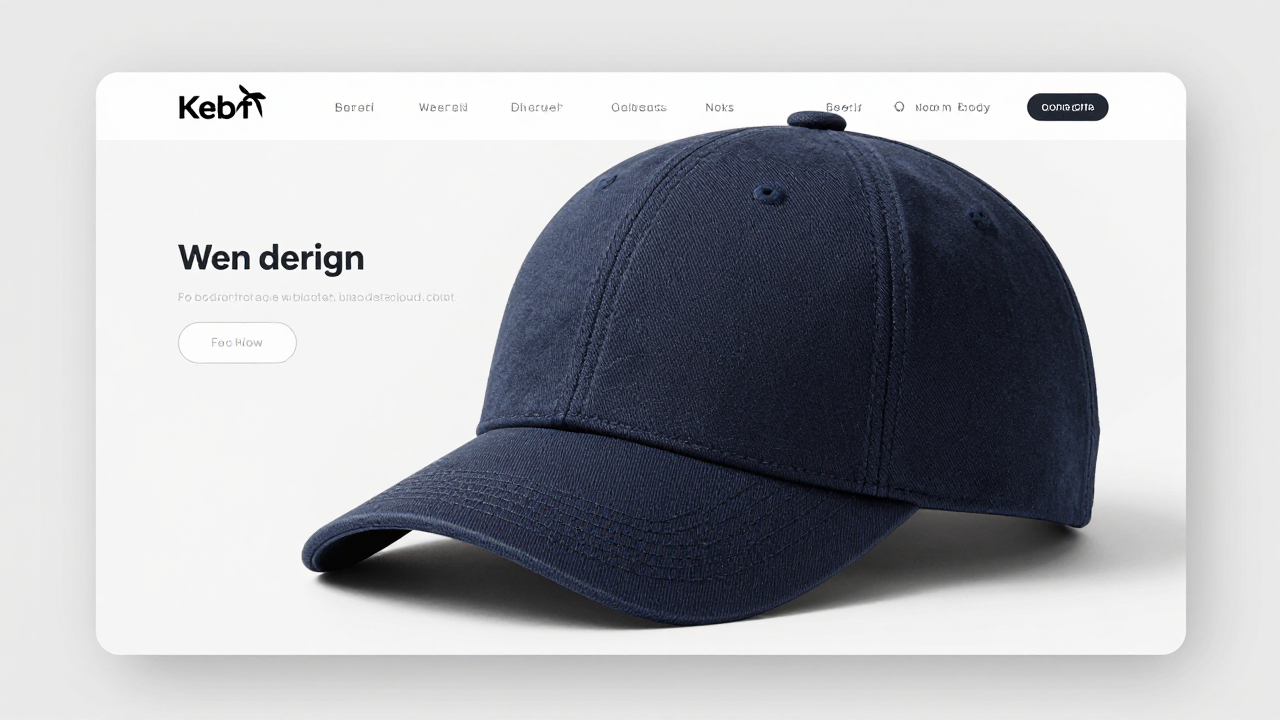
The cap manufacturing process is a complex and detailed journey, involving multiple steps to ensure the final product meets your brand's quality standards. Let's break it down.
Understanding the Cap Manufacturing Process: A Deep Dive
The Step-by-By Step Journey of Cap Production
1. Design and Sampling: This initial phase involves creating a design, selecting materials, and producing a sample. The sample is crucial for testing fit, comfort, and overall appearance.
2. Material Sourcing: High-quality materials are sourced, including fabrics, threads, and any additional components like buckles or patches.
3. Cutting and Preparing: The selected materials are cut into the required shapes and sizes. This step requires precision to minimize waste and ensure consistency.
4. Sewing and Assembly: The cut pieces are sewn together, often using specialized machines. This includes attaching the visor, crown, and any other components.
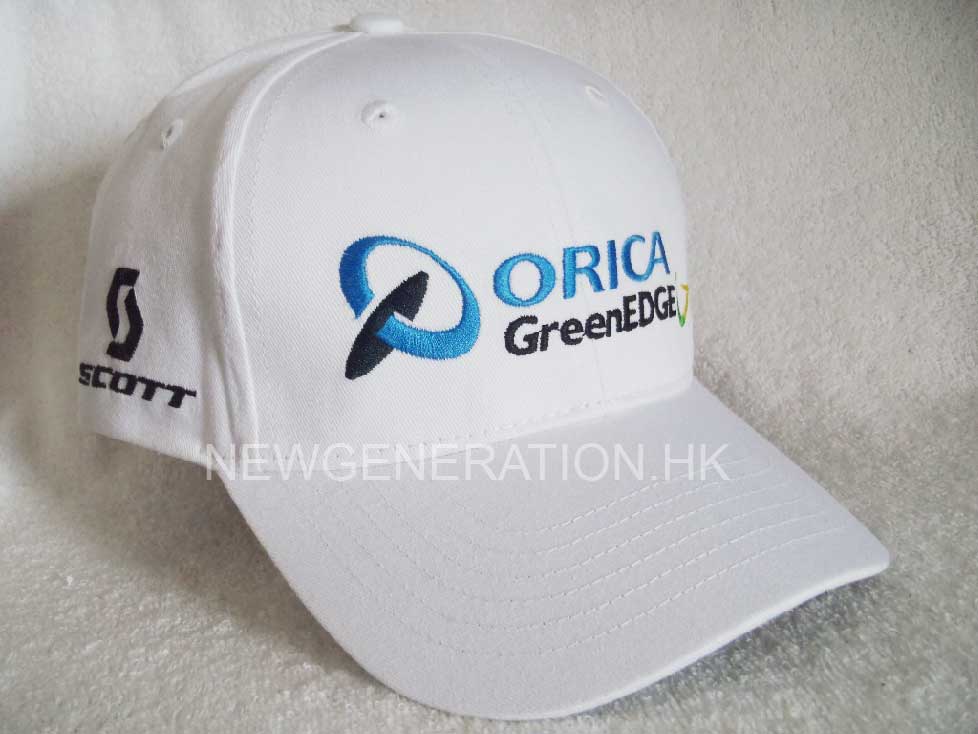
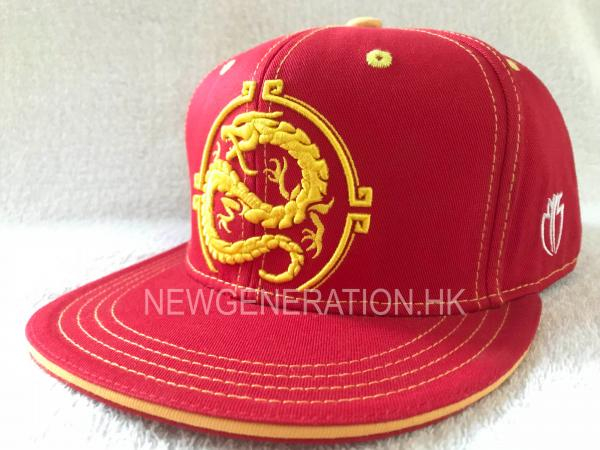
5. Embroidery and Printing: Custom designs, logos, and text are added through embroidery, screen printing, or heat transfer methods.
6. Finishing and Quality Control: The caps undergo a thorough inspection to ensure they meet the required standards. Any defects are corrected, and the final product is packaged.
Key Materials and Their Impact on Quality
The choice of materials significantly impacts the quality and durability of the cap. Common materials include:
According to industry standards, a stitch density of 8-12 stitches per inch is typical for ensuring durability. Higher stitch densities can provide better strength but may also increase production costs.
Evaluating Cap Factories: What to Look For in a Reliable Partner
Choosing the right cap factory is critical for maintaining your brand's reputation and ensuring consistent quality. Here are the key factors to consider.
Assessing Factory Certifications and Compliance
Look for factories that hold relevant certifications, such as ISO 9001 for quality management and SA8000 for social accountability. These certifications indicate that the factory adheres to international standards and best practices.
The Importance of Ethical Sourcing and Sustainability
Ethical sourcing and sustainability are increasingly important to consumers. Ensure the factory you choose has a commitment to fair labor practices and uses environmentally friendly materials. For example, some factories use organic cotton or recycled polyester, which can be a significant selling point for eco-conscious customers.
Tailoring Your Search: Finding the Perfect Cap Factory for Your Brand
Finding a cap factory that aligns with your brand's unique needs is essential. Here’s how to tailor your search effectively.
Aligning Factory Capabilities with Your Brand's Unique Needs
Evaluate the factory's capabilities to ensure they can meet your specific requirements. For instance, if your brand focuses on custom embroidery, look for a factory with advanced embroidery machines and experienced operators.
Customization Options and Brand-Specific SEO Optimization
Customization options, such as different embroidery techniques and color choices, are crucial for creating a unique product. Additionally, optimizing your website and product listings with keywords like "custom embroidered caps" and "personalized headwear" can help attract more customers.
Navigating the Negotiation Process: Tips and Tricks for Success
Negotiating with a cap factory can be challenging, but with the right approach, you can secure a deal that benefits both parties.
Building a Strong Relationship with Your Supplier
Building a strong relationship with your supplier is key. Regular communication, transparency, and mutual respect can lead to better deals and a more reliable supply chain. In July 2023, we worked with a client from California who had issues with a previous supplier. By establishing a clear line of communication, we were able to resolve their concerns and deliver a high-quality product on time.
Negotiating Prices, Minimum Order Quantities, and Lead Times
When negotiating, focus on key areas such as prices, minimum order quantities (MOQs), and lead times. MOQs can vary, but a typical range is 100-500 units for small to medium-sized orders. Be prepared to discuss these terms and find a balance that works for both sides.
Avoiding Common Pitfalls: Expert Insights and Best Practices
Avoiding common pitfalls is crucial for a successful partnership with a cap factory. Here are some expert insights and best practices.
Identifying Red Flags in Potential Cap Factories
Red flags can include inconsistent quality, poor communication, and a lack of transparency. If a factory is reluctant to provide references or samples, it may be a sign of potential issues. In 2022, a client from Texas encountered a factory that delivered subpar products. We helped them identify the red flags early and switch to a more reliable supplier.
How to Ensure Consistent Quality and Reliability
To ensure consistent quality, establish a robust quality control process. This includes regular inspections, detailed specifications, and clear communication about your expectations. Additionally, working with a factory that has a track record of delivering high-quality products can provide peace of mind.
By following these guidelines, you can find the perfect cap factory for your brand, ensuring that your products meet the highest standards and resonate with your target audience.